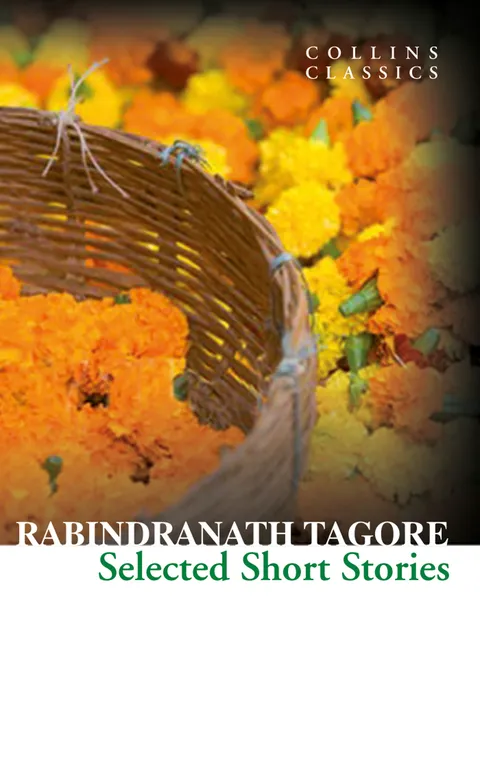
Selected Short Stories
Report an issue
Tell us what's wrong and we'll take a look.
Thanks – we got it. We'll review and follow up if needed.
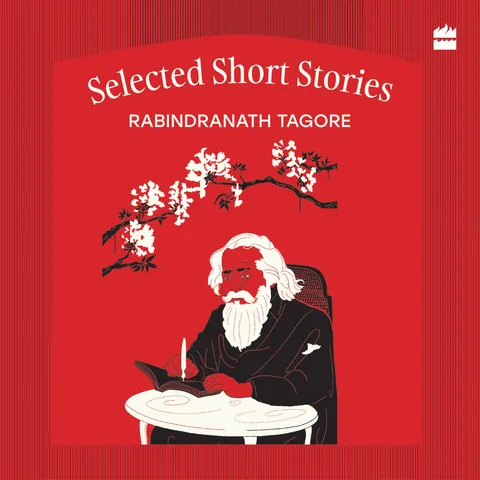
HarperCollins is proud to present our range of timeless literary classics.
In 1913, Rabindranath Tagore became the first non-European to win the Nobel Prize in Literature, and he remains one of the most important voices of Bengali culture to this day. These short stories, written mostly in the 1890s, vividly portray Bengali life and culture. Tagore’s treatment of caste culture, bureaucracy and poverty paint a vivid portrait of nineteenth-century India, and all are interwoven with Tagore’s perceptive eye for detail, strong sense of humanity and deep affinity for the natural world. Tagore’s stories continue to rise above geographic and cultural boundaries to capture the imaginations of readers around the world.
Rabindranath Tagore
Rabindranath Tagore (1861–1941) was a Nobel Laureate in literature. (1913). He wrote successfully in all literary genres, but was, first and foremost, a poet, publishing more than fifty volumes of poetry. He wrote novels, plays, musical dramas, dance dramas, essays, travel
diaries and two autobiographies. He also left numerous drawings and paintings, and songs for which he wrote the music himself. He was the composer of the national anthem of independent India and Bangladesh. He was born in Calcutta, travelled around the world, and was knighted
in 1915. He gave up his knighthood after the Jallianwala Bagh massacre in 1919.
Among his many works are Manasi (1890), Sonar Tari (1894), Gitanjali (1910), Gitimalya (1914), Balaka (1916), The Gardener (1913), Fruit-Gathering (1916), The Fugitive (1921), Raja (1910), Dakghar (1912), Achalayatan (1912), Muktadhara (1922), Raktakaravi (1926), Gora (1910), Ghare-Baire (1916) and Yogayog (1929).
More by Rabindranath Tagore



Why Readwise Books?
Readwise Books is an ebook & audiobook platform that automatically logs how much you and your friends read, making it fun and easy to read more. Learn more →