
White Teeth, Red Blood
Selected Vampiric Verses
Report an issue
Tell us what's wrong and we'll take a look.
Thanks – we got it. We'll review and follow up if needed.
A nest of vampires literal and metaphorical, this poetry collection ranges across centuries and languages to bring readers a bevy of dark delights.
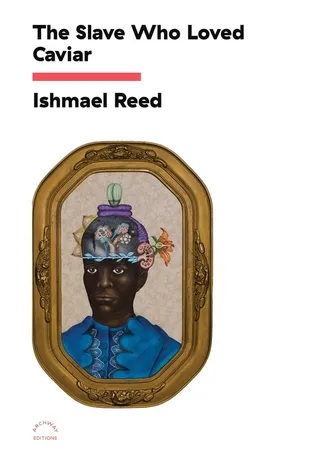
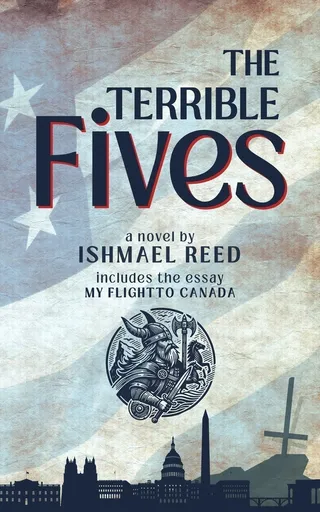
The undead have long provided the perfect vessel for humanity's fears and desires--from spine-tingling chills to sinister sexiness, vampires are the ultimate representation of the most frightening and alluring parts of ourselves. They've inspired poems that tell stories, proffer warnings, and imagine life from inside the eternal night, by authors like J.W. Goethe, Lord Byron, Emily Dickinson, Charles Baudelaire, Anna Laetitia Barbauld, Delmira Agustini, and Ishmael Reed, brought together with many more in this one-of-a-kind collection.
With an introduction by Claire Kohda, author of Woman, Eating.
Contents include:
- CHILLING TALES: poems by Gottfried August Burger, Johann Wolfgang von Goethe, Robert Southey, Anne Bannerman ("The Dark Ladie"), John Stagg ("The Vampyre"), Lord Byron, Samuel Taylor Coleridge, Alfred Lord Tennyson, Rafael Campo
- DIRE WARNINGS: poems by Heinrich August Ossenfelder ("The Vampire"), John Keats, Henry Thomas Liddell ("The Vampire Bride"), James Clerk Maxwell, Charles Baudelaire, Christina Rossetti, Madison Julius Cawein, Rudyard Kipling, Conrad Aiken, Edna St Vincent Millay ("The Witch-Wife"), James Weldon Johnson
- THE VAMPIRE WITHIN: poems by Anna Laetitia Barbauld, Emily Brontë ("Ah! Why, Because the Dazzling Sun"), Emily Dickinson ("A Death blow is a Life blow to Some [816]"), Walter Pater, Delmira Agustini, William Butler Yeats ("Oil and Blood"), Ishmael Reed ("I Am a Cowboy in the Boat of Ra"), Dorothy Barresi ("Pocket Vampire"), John Yau
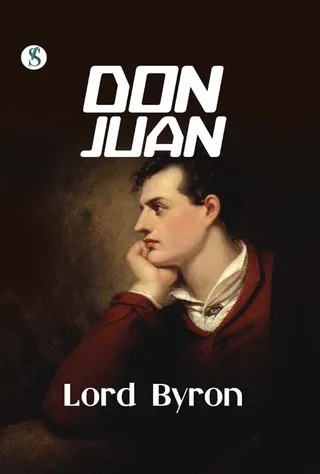
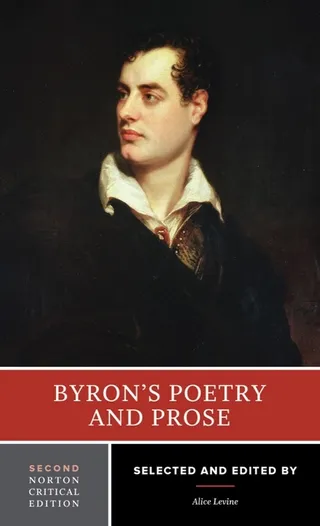
Lord Byron
Lord Byron was an English poet and the most infamous of the English Romantics, glorified for his immoderate ways in both love and money. Benefitting from a privileged upbringing, Byron published the first two cantos of Childe Harold’s Pilgrimage upon his return from his Grand Tour in 1811, and the poem was received with such acclaim that he became the focus of a public mania. Following the dissolution of his short-lived marriage in 1816, Byron left England amid rumours of infidelity, sodomy, and incest.
In self-imposed exile in Italy Byron completed Childe Harold and Don Juan. He also took a great interest in Armenian culture, writing of the oppression of the Armenian people under Ottoman rule; and in 1823, he aided Greece in its quest for independence from Turkey by fitting out the Greek navy at his own expense.
Two centuries of references to, and depictions of Byron in literature, music, and film began even before his death in 1824.
More by Lord Byron

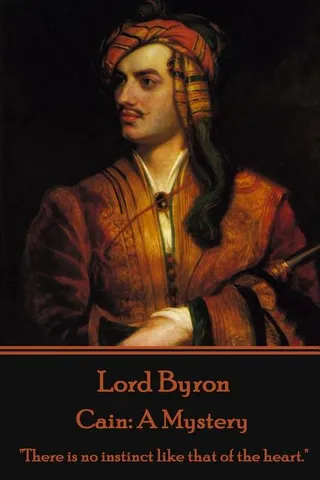
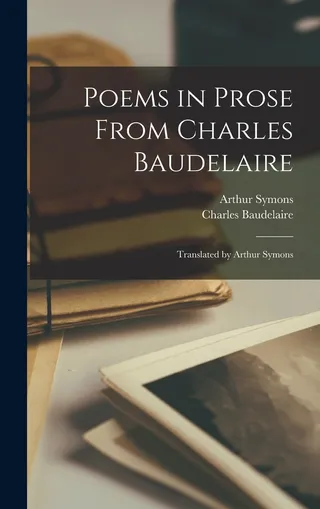
Charles Baudelaire
Charles Baudelaire was the foremost poet of modern French Literature. Known for revolutionizing the tone and content of modern lyric poetry, he was the author of The Flowers of Evil, Paris Spleen, and Artificial Paradises, as well as the epochal essay, "The Painter of Modern Life."
More by Charles Baudelaire




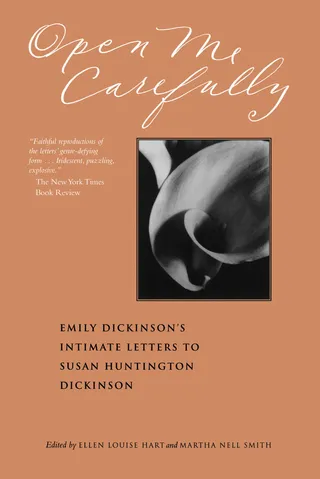
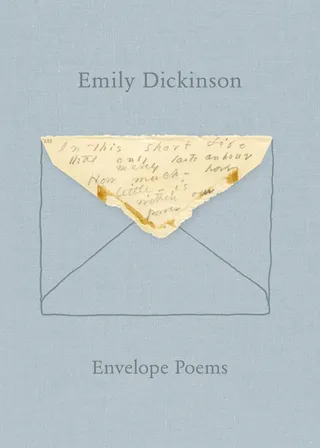
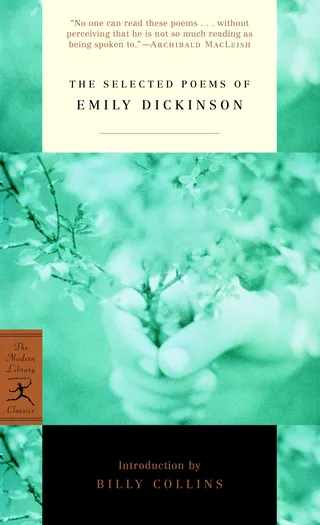
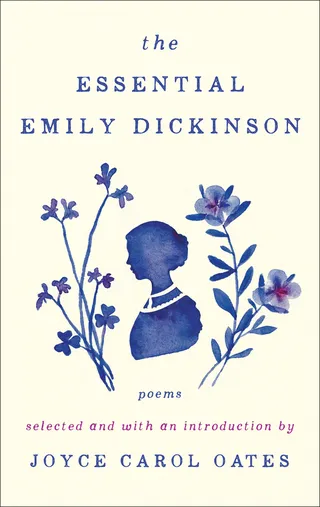
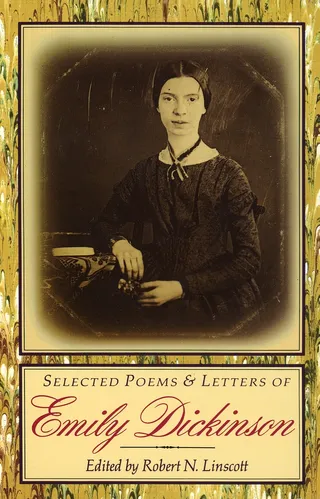
Emily Dickinson
Known as “The Myth of Amherst” for her withdrawal from society while still a young women, Emily Dickinson (1830-1886) had an inner life that was deeply emotional and intense. She know rapture and despair, pondered the wonder of God and the meaning of death. She broke tradition and was criticized for her seminal experiments with unorthodox phrasing, rhyme and broken meter, within concise verse forms, thus becoming an innovator and forerunner of modern poets.
More by Emily Dickinson

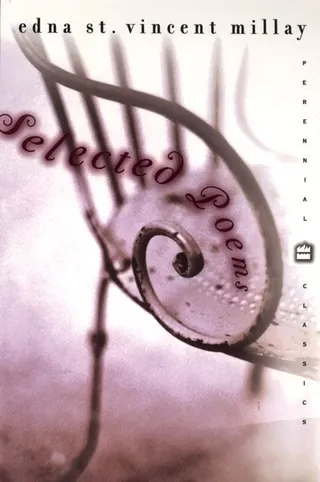
Edna St Vincent Millay
Edna St. Vincent Millay was born in 1892 in Rockland, Maine, the eldest of three daughters, and was encouraged by her mother to develop her talents for music and poetry. Her long poem "Renascence" won critical attention in an anthology contest in 1912 and secured for her a patron who enabled her to go to Vassar College.
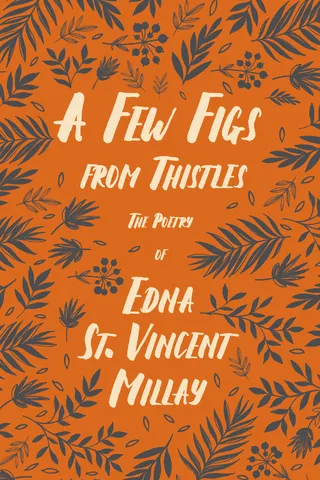
After graduating in 1917 she lived in Greenwich Village in New York for a few years, acting, writing satirical pieces for journals (usually under a pseudonym), and continuing to work at her poetry. She traveled in Europe throughout 1921-22 as a "foreign correspondent" for Vanity Fair. Her collection A Few Figs from Thistles (1920) gained her a reputation for hedonistic wit and cynicism, but her other collections (including the earlier Renascence and Other Poems [1917]) are without exception more seriously passionate or reflective.
In 1923 she married Eugene Boissevain and -- after further travel -- embarked on a series of reading tours which helped to consolidate her nationwide renown. From 1925 onwards she lived at Steepletop, a farmstead in Austerlitz, New York, where her husband protected her from all responsibilities except her creative work. Often involved in feminist or political causes (including the Sacco-Vanzetti case of 1927), she turned to writing anti-fascist propaganda poetry in 1940 and further damaged a reputation already in decline. In her last years of her life she became more withdrawn and isolated, and her health, which had never been robust, became increasingly poor.
She died in 1950.
More by Edna St Vincent Millay














Why Readwise Books?
Readwise Books is an ebook & audiobook platform that automatically logs how much you and your friends read, making it fun and easy to read more. Learn more →