
The Romantic Poets
Report an issue
Tell us what's wrong and we'll take a look.
Thanks – we got it. We'll review and follow up if needed.
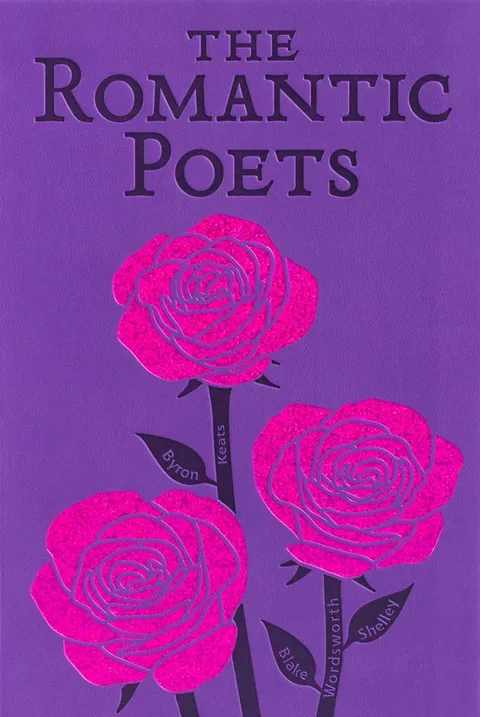
Feelings come alive through the words of the Romantic poets.
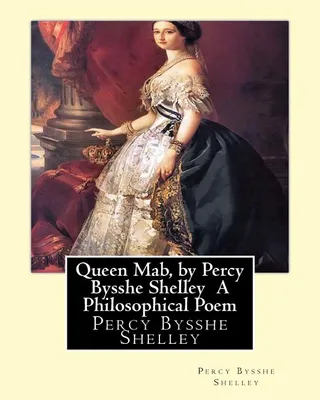
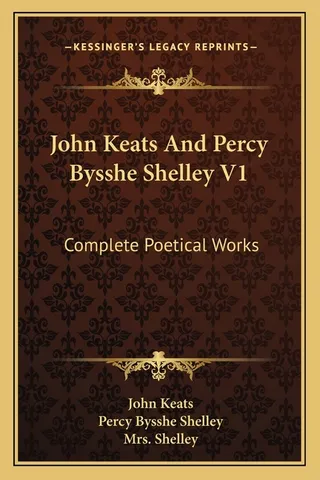
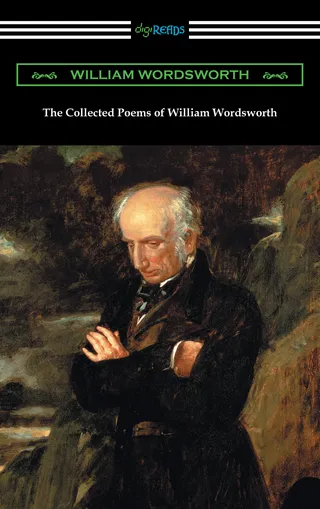
Romanticism gained traction in the late 1700s as writers moved away from the intellectualism of the Enlightenment and toward more emotional and natural themes. The major works of the movement’s six most famous poets—William Wordsworth, George Gordon Byron, Percy Bysshe Shelley, Samuel Taylor Coleridge, John Keats, and William Blake—are represented in this handsome Word Cloud Classics volume, The Romantic Poets. One of the largest and most influential artistic movements in history, Romanticism valued intuition and pastoralism, and its themes are well represented in the verse of its stars.
John Keats
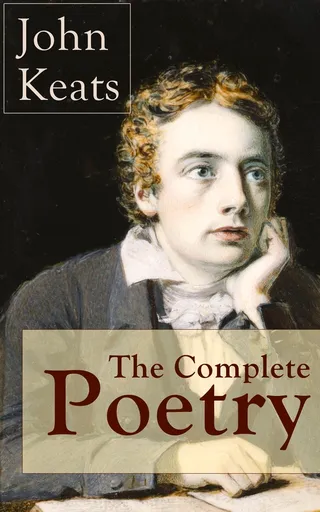
John Keats was born in London in 1795. He and his siblings were orphaned at a young age - his father died in a riding accident in 1804 and his mother died six years later. Keats then left Enfield school to train as an apothecary and a surgeon but he was to leave his profession to dedicate his time to poetry. His first volume, Poems, was published in 1817 and only two more volumes, in 1818 and 1820, were published during his lifetime. In 1818 he fell in love with his neighbour Fanny Brawne, but he broke off their engagement due to his increasing ill health and lack of funds. In 1820 he moved to Italy where he died a year later of tuberculosis, the disease that claimed his mother and his brother Tom.
More by John Keats





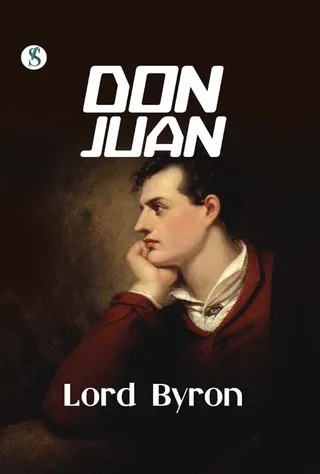
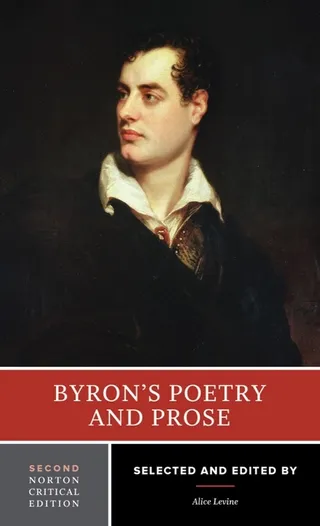
Lord Byron
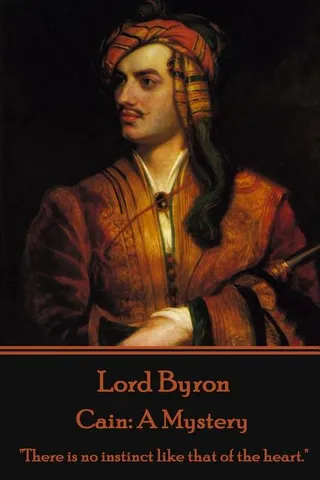
Lord Byron was an English poet and the most infamous of the English Romantics, glorified for his immoderate ways in both love and money. Benefitting from a privileged upbringing, Byron published the first two cantos of Childe Harold’s Pilgrimage upon his return from his Grand Tour in 1811, and the poem was received with such acclaim that he became the focus of a public mania. Following the dissolution of his short-lived marriage in 1816, Byron left England amid rumours of infidelity, sodomy, and incest.
In self-imposed exile in Italy Byron completed Childe Harold and Don Juan. He also took a great interest in Armenian culture, writing of the oppression of the Armenian people under Ottoman rule; and in 1823, he aided Greece in its quest for independence from Turkey by fitting out the Greek navy at his own expense.
Two centuries of references to, and depictions of Byron in literature, music, and film began even before his death in 1824.
More by Lord Byron



Samuel Taylor Coleridge
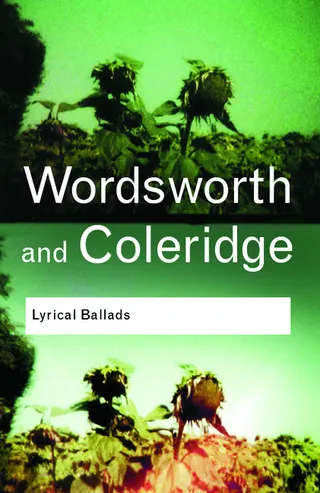
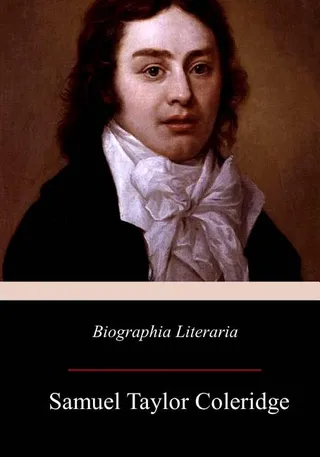
Samuel Taylor Coleridge (1772-1834), working in close collaboration with William Wordsworth (1770-1850), revolutionized English poetry by the use of ordinary language and direct observation of nature. His work in literary criticism, philosophy, and theology was almost equally influential. His children Hartley (1796-1849), Derwent (1800-1883), and Sara (1802-1852) inherited much of his poetic ability, which could also be seen in several of his other relatives.
More by Samuel Taylor Coleridge





William Blake
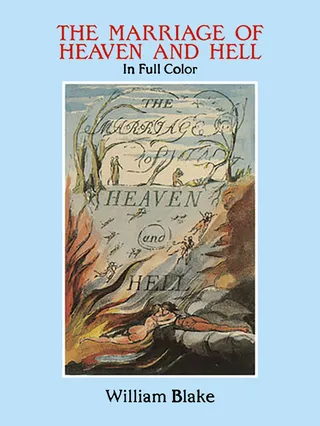
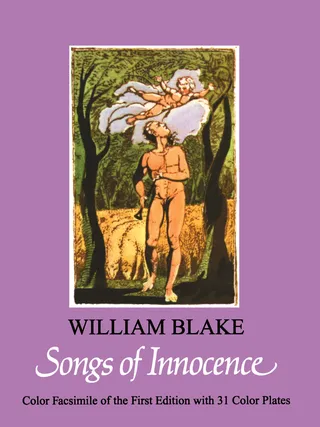
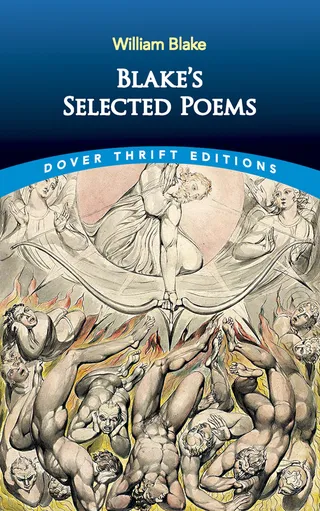
William Blake (1757-1827) was a nonconformist who associated with some of the leading radical thinkers of his day, such as Thomas Paine and Mary Wollstonecraft. A skilled engraver and illustrator, his illustrated poetry collections resembled the illuminated books of the Middle Ages.
More by William Blake


Why Readwise Books?
Readwise Books is an ebook & audiobook platform that automatically logs how much you and your friends read, making it fun and easy to read more. Learn more →