
Lord Byron
Report an issue
Tell us what's wrong and we'll take a look.
Thanks – we got it. We'll review and follow up if needed.
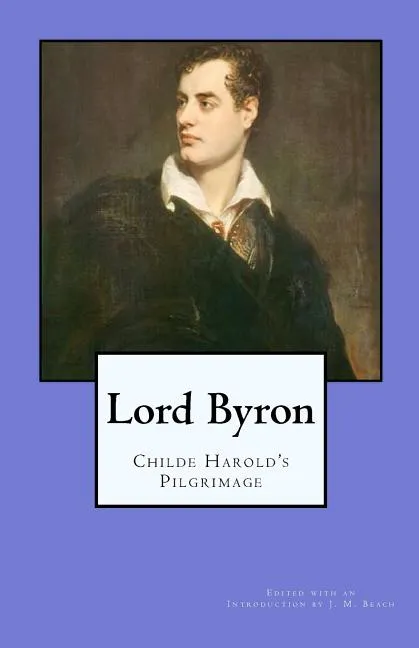
A selection of poetry by Lord Byron, a poet considered amongst the most treasured and influential in English literature.
The poet George Gordon Byron, commonly known as Lord Byron, was a leading figure of the Romantic movement in England and one of the most influential writers of verse in English literature. Whilst his poetry was considered scandalous and shocking by Victorian society, it has now reclaimed its rightful place in the canon of definitive English verse. However, the excesses and vicissitudes of Byron himself continue to provoke disbelief and awe in even the most hardened readers.
In this selection of poetry, readers are given a taste for the astonishing variety in Byron's work. From drama to introspection, risqué sexual comedy to social commentary, this Everyman edition collates verse for seasoned readers of poetry as well as newcomers to the genre.
Lord Byron
Lord Byron was an English poet and the most infamous of the English Romantics, glorified for his immoderate ways in both love and money. Benefitting from a privileged upbringing, Byron published the first two cantos of Childe Harold’s Pilgrimage upon his return from his Grand Tour in 1811, and the poem was received with such acclaim that he became the focus of a public mania. Following the dissolution of his short-lived marriage in 1816, Byron left England amid rumours of infidelity, sodomy, and incest.
In self-imposed exile in Italy Byron completed Childe Harold and Don Juan. He also took a great interest in Armenian culture, writing of the oppression of the Armenian people under Ottoman rule; and in 1823, he aided Greece in its quest for independence from Turkey by fitting out the Greek navy at his own expense.
Two centuries of references to, and depictions of Byron in literature, music, and film began even before his death in 1824.
More by Lord Byron





Why Readwise Books?
Readwise Books is an ebook & audiobook platform that automatically logs how much you and your friends read, making it fun and easy to read more. Learn more →