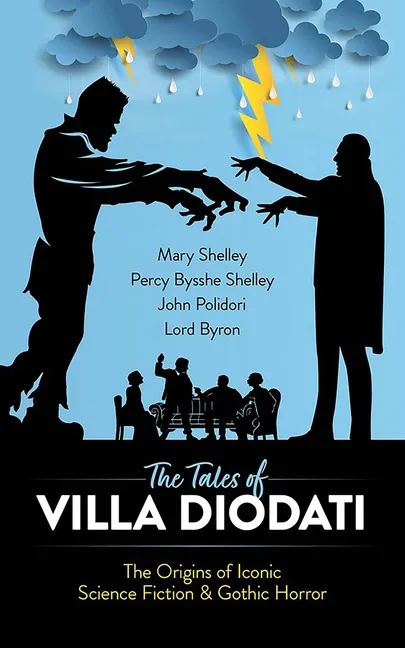
The Tales of Villa Diodati
The Origins of Iconic Science Fiction and Gothic Horror
Report an issue
Tell us what's wrong and we'll take a look.
Thanks – we got it. We'll review and follow up if needed.
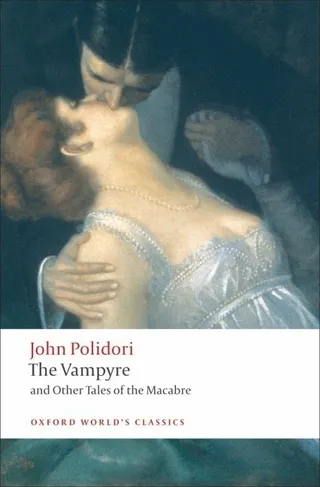
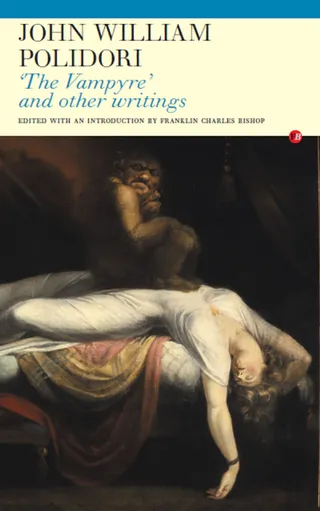
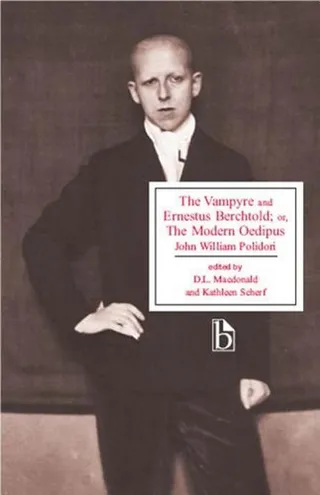
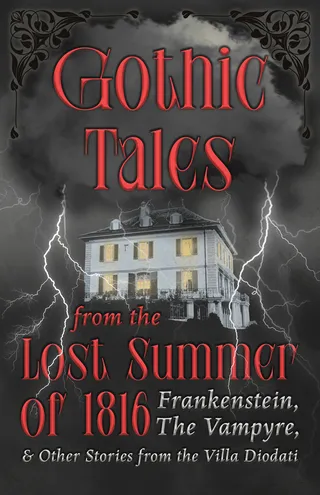
In 1816, also known as "The Year Without a Summer," a group of pioneering writers gathered at Villa Diodati in Lake Geneva, Switzerland, and wrote some of the most iconic Gothic horror stories in English literature. The Tales of Villa Diodati is the result of a legendary ghost story contest between friends confined indoors by unseasonably dismal weather. "We will each write a story," proposed Lord Byron. The challenge was the genesis of this blood-chilling anthology blending the macabre, supernatural, and romance. Selections include Mary Shelley's Frankenstein, the first true science fiction novel, and John Polidori's "The Vampyre," considered one of the earliest examples of the romantic vampire genre. The story was inspired by Lord Byron's "A Fragment," which is also included, as is Percy Bysshe Shelley's "Fragment of a Ghost Story." These spine-tingling tales have enthralled generations of readers for centuries.
Mary Shelley
Mary Wollstonecraft Shelley was born on August 30, 1797, into a life of personal tragedy. In 1816, she married the poet Percy Bysshe Shelley, and that summer traveled with him and a host of other Romantic intellectuals to Geneva. Her greatest achievement was piecing together one of the most terrifying and renowned stories of all time: Frankenstein; or, The Modern Prometheus. Shelley said she conceived of Frankenstein in “a waking dream.” This vision was simply of a student kneeling before a corpse brought to life. Yet this tale of a mad creator and his abomination has inspired a multitude of storytellers and artists. She died on February 1, 1851.
More by Mary Shelley






Why Readwise Books?
Readwise Books is an ebook & audiobook platform that automatically logs how much you and your friends read, making it fun and easy to read more. Learn more →