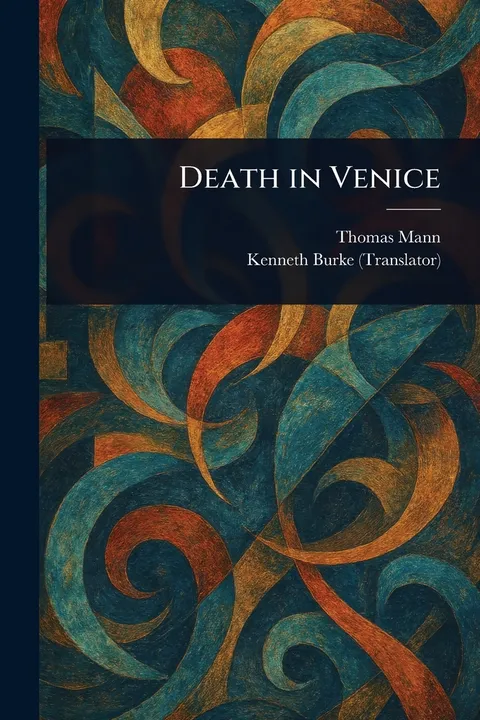
Death in Venice
Report an issue
Tell us what's wrong and we'll take a look.
Thanks – we got it. We'll review and follow up if needed.

In Thomas Mann's masterful novella, "Death in Venice," explore the depths of the human psyche as a celebrated artist confronts mortality and the allure of beauty. Facing middle age, the protagonist journeys to Venice, seeking solace and inspiration, but instead finds himself captivated by an unexpected and unsettling infatuation.
This landmark of classical literature delves into themes of death, obsession, and the conflict between reason and passion. Mann's exploration of the protagonist's inner turmoil creates a powerful work of psychological fiction. Set against the backdrop of a city teetering on the edge of disaster, "Death in Venice" remains a haunting and evocative meditation on the human condition. This meticulously prepared edition preserves the integrity of the original text, allowing readers to fully appreciate Mann's profound insight and enduring artistry. A must-read for anyone interested in literary classics.
This work has been selected by scholars as being culturally important, and is part of the knowledge base of civilization as we know it.
This work is in the public domain in the United States of America, and possibly other nations. Within the United States, you may freely copy and distribute this work, as no entity (individual or corporate) has a copyright on the body of the work.
Scholars believe, and we concur, that this work is important enough to be preserved, reproduced, and made generally available to the public. We appreciate your support of the preservation process, and thank you for being an important part of keeping this knowledge alive and relevant.
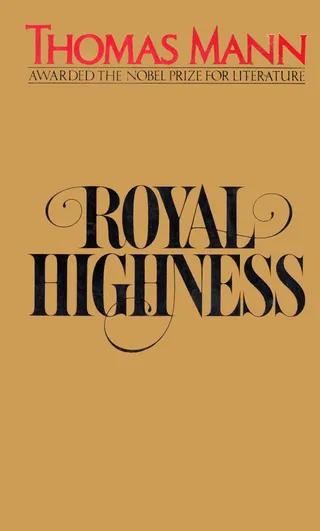
Thomas Mann
German essayist, cultural critic, and novelist, Thomas Mann was awarded the Nobel Prize in Literature in 1929. Among his most famous works are Buddenbrooks, published when he was just twenty-six, The Magic Mountain, and Doctor Faustus.
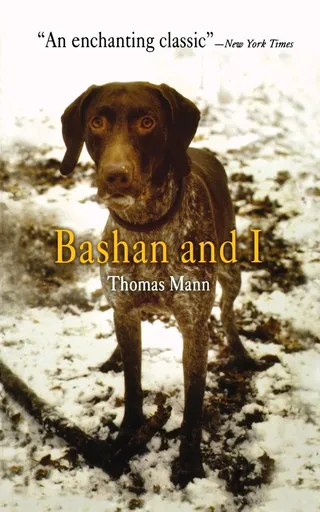
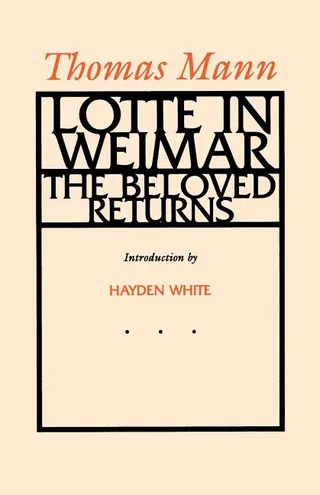
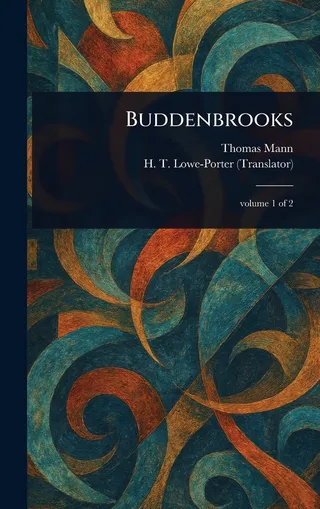
More by Thomas Mann
Kenneth Burke
Kenneth Burke was a self-taught thinker who attempted to integrate scientific and philosophical concepts with his analysis of semantics and literature. Between 1927 and 1929, Burke worked for the "Dial "as a music critic. After a brief stint with "The Nation "(1934-36), he turned to literary criticism and taught at Bennington College from 1943 to 1961. His many works have all been published by the University of California Press.
More by Kenneth Burke









Why Readwise Books?
Readwise Books is an ebook & audiobook platform that automatically logs how much you and your friends read, making it fun and easy to read more. Learn more →