Woodrow Wilson
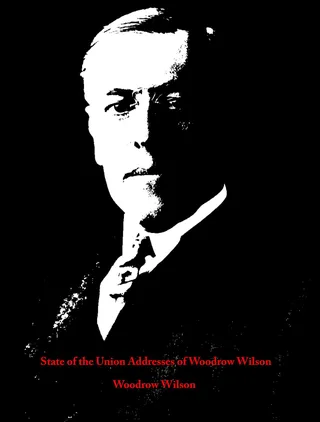
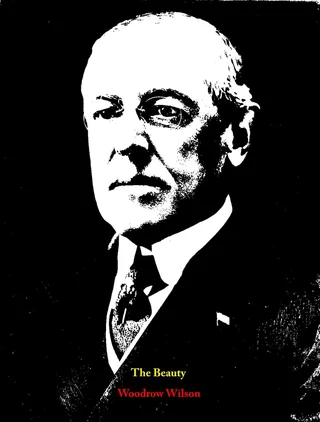
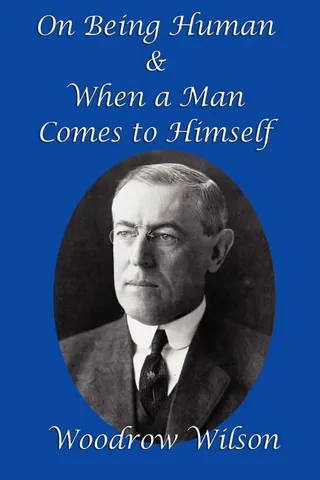
Thomas Woodrow Wilson, born to Joseph Ruggles Wilson and Jessie Janet Woodrow, was a political leader and academic who served as the 28th president of the United States from 1913 to 1921. Before his presidency, he was a prominent scholar and served as president of Princeton University, where he emphasized educational reform and academic excellence. Later, as governor of New Jersey, he became known for progressive legislative achievements that raised his national profile. A key figure of the Democratic Party, he won the 1912 presidential election by promoting a platform of reform called the New Freedom, which sought to tackle monopolies and strengthen individual rights. His presidency included significant legislative accomplishments such as the Federal Reserve Act and the Clayton Antitrust Act. During World War I, he initially kept the U.S. neutral but ultimately led the nation into the conflict, framing it as a fight to make the world safe for democracy. After the war, he championed the League of Nations, although the U.S. Senate rejected its membership. His later years were marked by declining health following a severe stroke in 1919, and he remained physically incapacitated for much of his final term. He died in 1924.











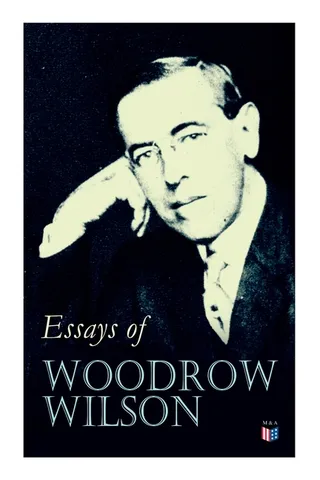



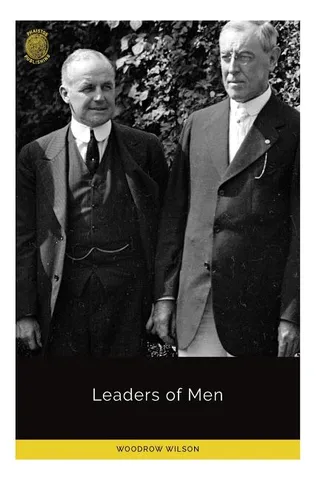




























Woodrow Wilson
Created by
Woodrow Wilson
Foreword by

Woodrow Wilson
Contributions by