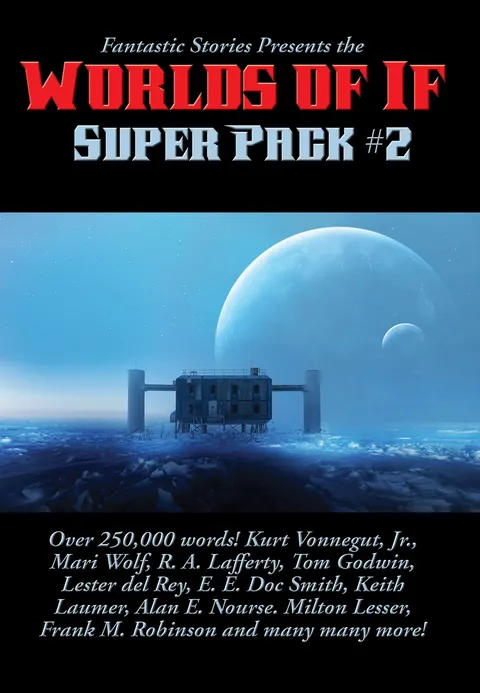
Fantastic Stories Presents the Worlds of If Super Pack #2
Report an issue
Tell us what's wrong and we'll take a look.
Thanks – we got it. We'll review and follow up if needed.
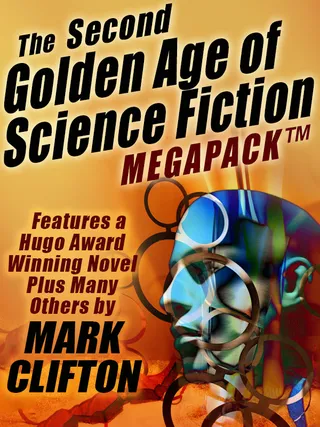
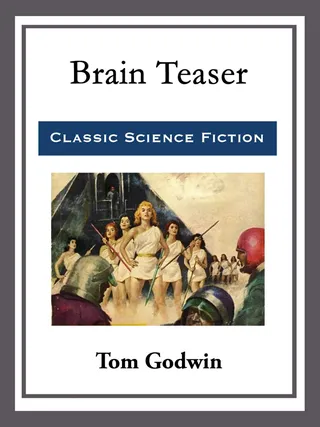
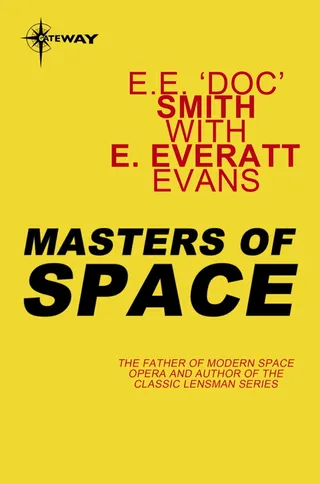
Worlds of If' was a three-time winner of the Hugo Award for best science fiction magazine. 'Worlds of If' discovered many talented writers who would go on to dominate genre fiction. This is the second in our 'Worlds of If' series, with even more memorable stories from its tremendous run. '2BR02B' by Kurt Vonnegut, Jr. 'Do Unto Others' by Mark Clifton 'Robots of the World! Arise!' by Mari Wolf 'Disqualified' by Charles L. Fontenay 'Has Anybody Here Seen Kelly?' by Kenneth O'Hara 'Vital Ingredient' by Charles V. De Vet 'The Polite People of Pudibundia' by R. A. Lafferty 'Let There Be Light' by Horace B. Fyfe 'High Dragon Bump' by Don Thompson 'Time Enough At Last' by Lynn Venable 'The Test Colony' by Winston Marks 'A Mixture of Genius' by Arnold Castle 'Brain Teaser' by Tom Godwin 'The Ambassador' by Sam Merwin, Jr. 'She Knew He Was Coming' by Kris Neville 'The Small World of M-75' by Ed M. Clinton, Jr. 'Generals Help Themselves' by M. C. Pease 'The Planet with No Nightmare' by Jim Harmon 'No Strings Attached' by Lester del Rey 'Star Performer' by Robert J. Shea 'Say Hello for Me' by Frank W. Coggins 'The Junkmakers' by Albert Teichner 'The Huddlers' by William Campbell Gault 'Skin Game' by Charles E. Fritch 'Masters of Space' by E. E. Doc Smith & E. Everett Evans 'The Smiler' by Albert Hernhunter 'Field Trip' by Gene Hunter 'McGonigal’s Worm' by R. A. Lafferty 'The Terrible Answer' by Arthur G. Hill 'A Bottle of Old Wine' by Richard O. Lewis 'The Frozen Planet' by Keith Laumer 'The Barbarians' by John Sentry 'Tabby' by Winston Marks 'One Martian Afternoon' by Tom Leahy 'The Link' by Alan E. Nourse 'Celebrity' by James McKimmey, Jr. 'Black Eyes and the Daily Grind' by Milton Lesser 'Gambler’s World' by Keith Laumer 'The Worlds of Joe Shannon' by Frank M. Robinson.
Kurt Vonnegut, Jr.
Kurt Vonnegut was a master of contemporary American Literature. His black humor, satiric voice, and incomparable imagination first captured America's attention in The Siren's of Titan in 1959 and established him as "a true artist" with Cat's Cradle in 1963. He was, as Graham Greene has declared, "one of the best living American writers."
More by Kurt Vonnegut, Jr.
R A Lafferty
R. A. Lafferty was one of the most original and unpredictable voices in twentieth-century science fiction and fantasy. Born in Iowa and long associated with Tulsa, Oklahoma, Lafferty came late to professional fiction but quickly developed a reputation for stories unlike anyone else's: comic, theological, folkloric, grotesque, learned, exuberant, and structurally strange. His prose often sounds as though tall tale, myth, barroom anecdote, Catholic metaphysics, and science fiction had been fused into a single impossible instrument.Lafferty's best-known works include the novel Past Master and the story collections Nine Hundred Grandmothers, Strange Doings, and Does Anyone Else Have Something Further to Add? His fiction resists easy classification, but that resistance is precisely what has kept it alive for generations of readers and writers. He brought to science fiction a wildness of voice and imagination that made even familiar premises feel newly dangerous, comic, and uncanny.
More by R A Lafferty


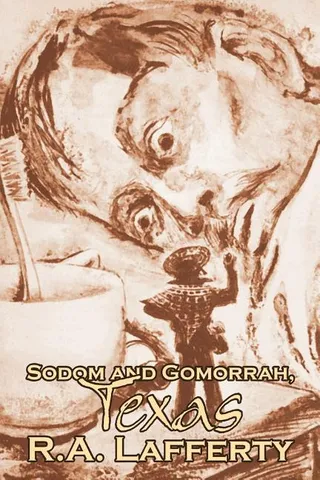
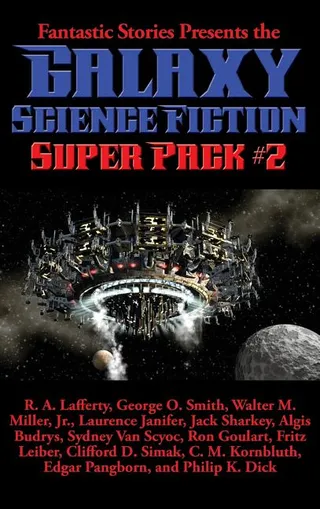


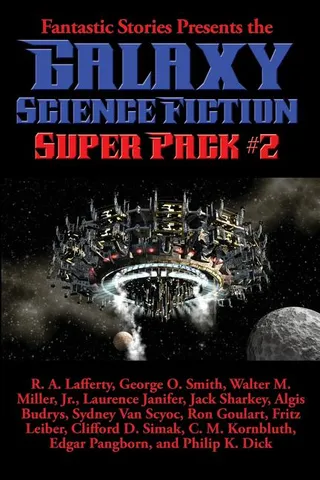













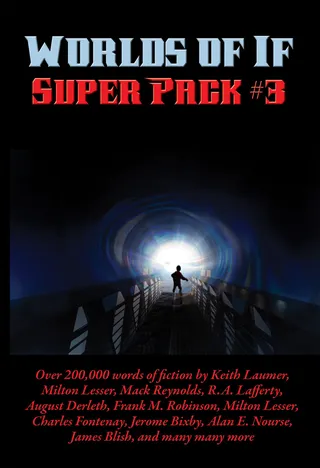

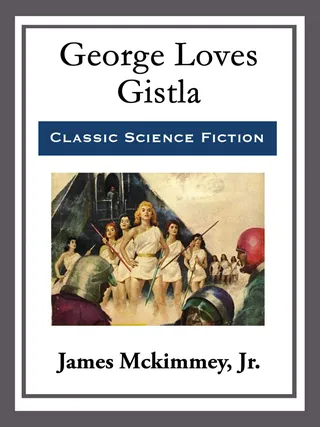
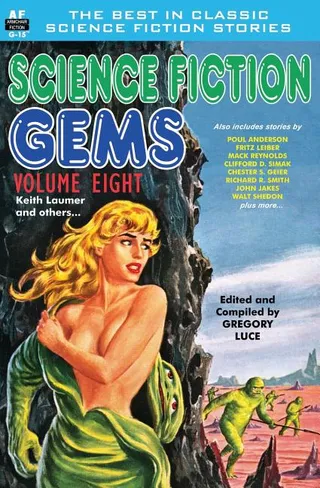
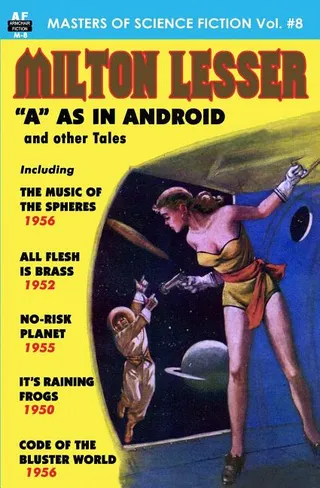
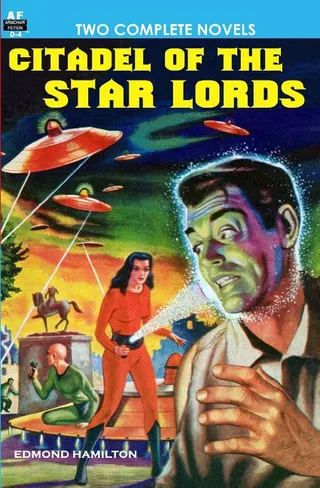
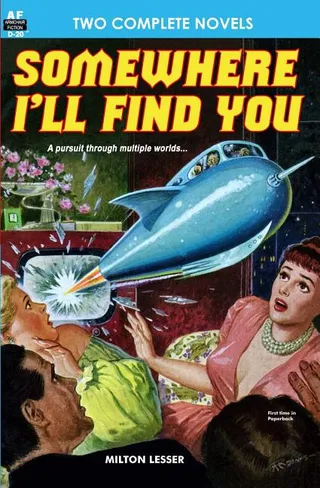



Keith Laumer
Keith Laumer (1925-1993) was an American science fiction writer and former diplomat whose real-world experience in international service informed many of his stories. Best known for the satirical Retief series and the influential Bolo tales of military science fiction, Laumer combined wit, action, and political insight. His work remains a defining presence in mid-twentieth-century speculative fiction.
More by Keith Laumer

























































Jim Harmon
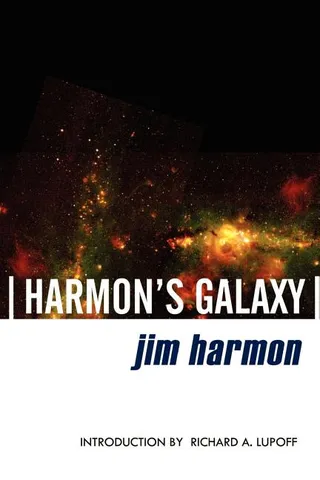
Writer and radio producer Jim Harmon of Burbank, California, has written several books on radio. He wrote, produced, and appeared in a revival of "Tom Mix" in the early 1980s.
More by Jim Harmon




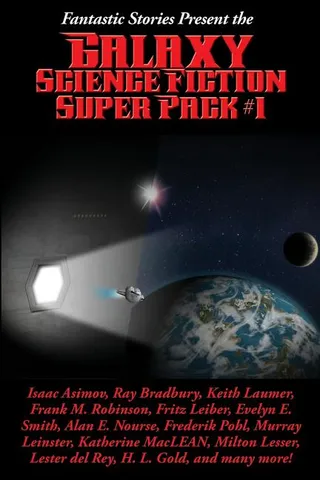










William Campbell Gault
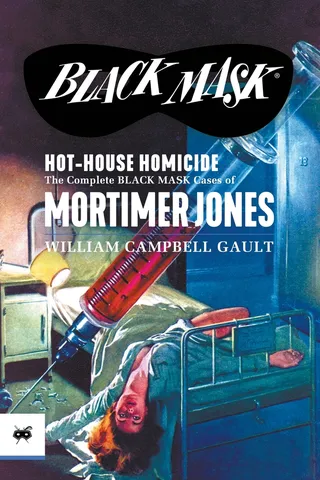
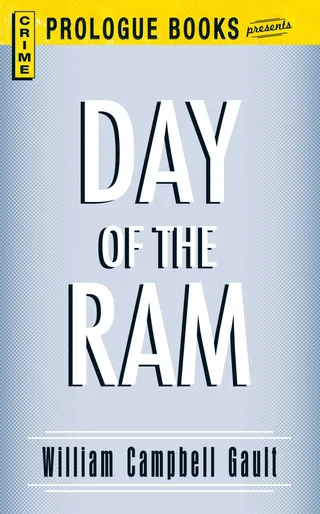
William Campbell Gault (1910–1995) was a critically acclaimed pulp novelist. Born in Milwaukee, Wisconsin, he took seven years to graduate from high school. Though he was part of a juvenile gang, he wrote poetry in his spare time, signing it with a girl’s name lest one of his friends find it. He sold his first story in 1936, and built a great career writing for pulps like Paris Nights, Scarlet Adventures, and the infamous Black Mask. In 1939, Gault quit his job and started writing fulltime. When the success of his pulps began to fade in the 1950s, Gault turned to longer fiction, winning an Edgar Award for his first mystery, Don’t Cry for Me (1952), which he wrote in twenty-eight days. He created private detectives Brock Callahan and Joe Puma, and also wrote juvenile sports books like Cut-Rate Quarterback (1977) and Wild Willie, Wide Receiver (1974). His final novel was Dead Pigeon (1992), a Brock Callahan mystery.
More by William Campbell Gault

























Why Readwise Books?
Readwise Books is an ebook & audiobook platform that automatically logs how much you and your friends read, making it fun and easy to read more. Learn more →