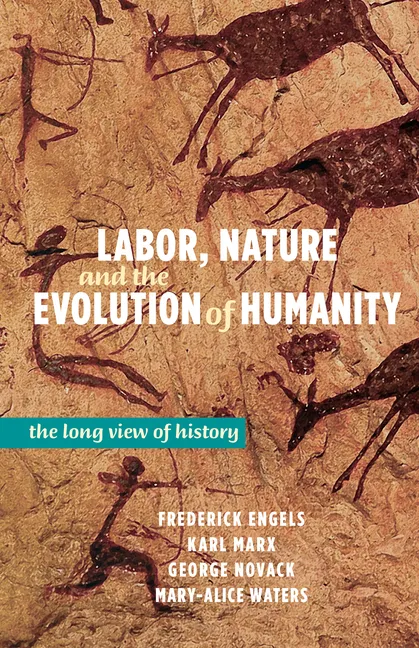
Labor, Nature, and the Evolution of Humanity
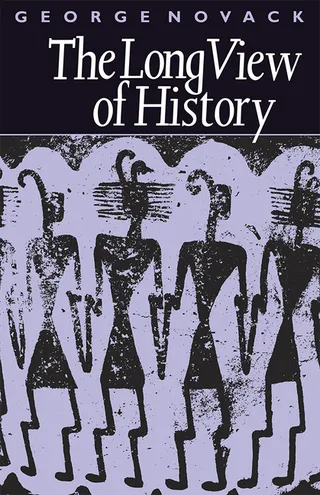
A Long View of History
Report an issue
Tell us what's wrong and we'll take a look.
Thanks – we got it. We'll review and follow up if needed.
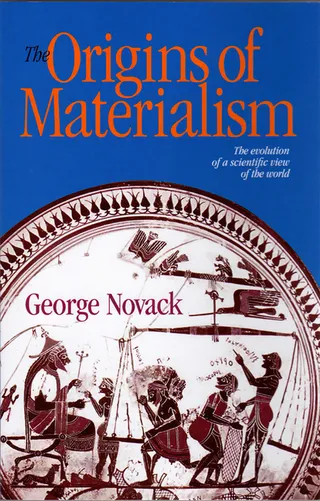
"Because without understanding how human society since our remotest ancestors has been created through social labor working people remain prisoners of the capitalist epoch in which we live.Without knowing how our labor transforms nature how its the motor force along humanitys ongoing road we cant see beyond the class exploitation that warps every aspect of our social relations ideas and values.The dictatorship of capital hasn't always existed. Its a few hundred years old. Like slavery and serfdom before it capitalist rule had a beginning. . . and will have an end. Only the revolutionary conquest of state power by the working class conscious of our class position and conditions of emancipation can open the door to a future. One based not on dog-eat-dog capitalist exploitation degradation of nature subjugation of women racism and war. A world built on human solidarity. A socialist world.Thats what a long view of history helps us understand."--Amazon.com viewed April 19, 2022.
Friedrich Engels
Friedrich Engels (1820–1895) was a German philosopher and co-author of The Communist Manifesto alongside Karl Marx. Born in Barmen, Prussia, Engels played a crucial role in shaping Marxist theory. His works, including The Condition of the Working Class in England, explored class struggles and historical materialism. As a committed socialist, Engels contributed significantly to the foundations of modern communist thought, leaving a lasting impact on political philosophy and social theory.
More by Friedrich Engels

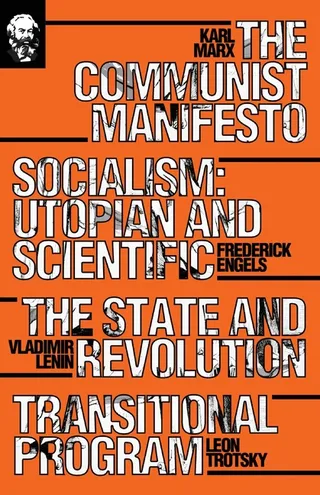
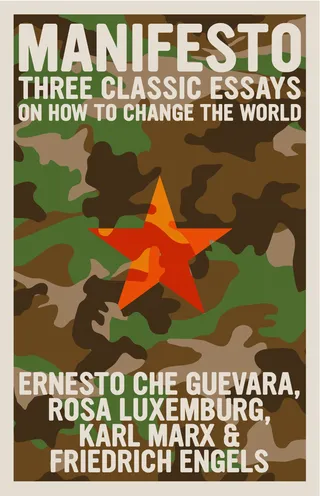
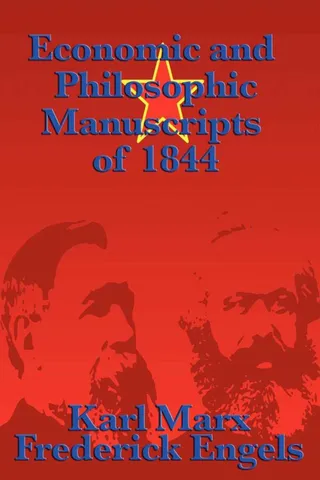
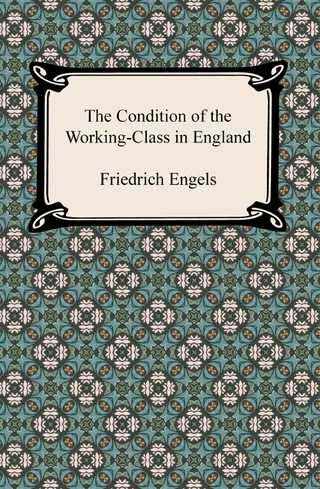
Karl Marx
Karl Marx was born in 1818, in the Rhenish city of Trier, the son of a successful lawyer. He studied law and philosophy at the universities of Bonn and Berlin, completing his doctorate in 1841. In Paris three years later, Marx was introduced to the study of political economy by a former fellow student, Frederick Engels. In 1848 they collaborated in writing The Communist Manifesto. Expelled from Prussia in the same year, Marx took up residence first in Paris and then in London where, in 1867 he published his magnum opus Capital. A co-founder of the International Workingmen's Association in 1864, Marx died in London in 1883.
More by Karl Marx




Why Readwise Books?
Readwise Books is an ebook & audiobook platform that automatically logs how much you and your friends read, making it fun and easy to read more. Learn more →