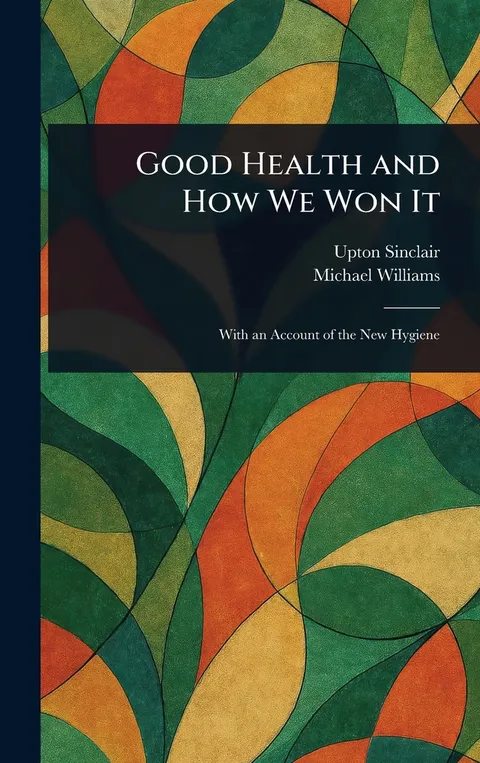
Good Health and How We Won It
Report an issue
Tell us what's wrong and we'll take a look.
Thanks – we got it. We'll review and follow up if needed.
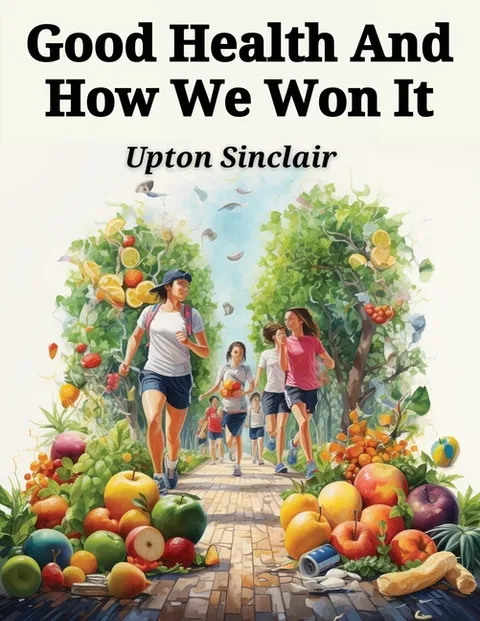
Explore the foundations of modern health and wellness with "Good Health and How We Won It: With an Account of the New Hygiene," by Upton Sinclair and Michael Williams. This essential volume delves into the principles of hygiene and its profound impact on public health. Originally published in the early 20th century, it offers a fascinating glimpse into the historical understanding of self-care and disease prevention.
Sinclair and Williams present a clear and accessible overview of the "new hygiene," emphasizing practical methods for improving individual and community well-being. Discover how early advocates championed the importance of sanitation, nutrition, and healthy habits. This meticulously prepared edition offers timeless insights into the pursuit of good health, making it a valuable resource for anyone interested in the history of health and fitness. A cornerstone text in the study of hygiene.
This work has been selected by scholars as being culturally important, and is part of the knowledge base of civilization as we know it.
This work is in the public domain in the United States of America, and possibly other nations. Within the United States, you may freely copy and distribute this work, as no entity (individual or corporate) has a copyright on the body of the work.
Scholars believe, and we concur, that this work is important enough to be preserved, reproduced, and made generally available to the public. We appreciate your support of the preservation process, and thank you for being an important part of keeping this knowledge alive and relevant.
Upton Sinclair
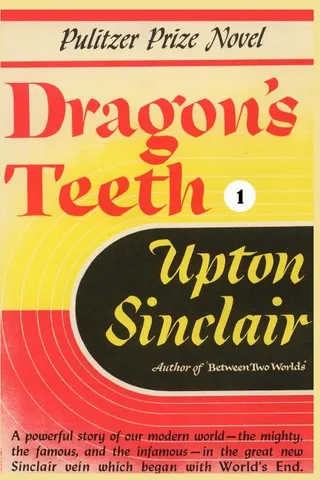
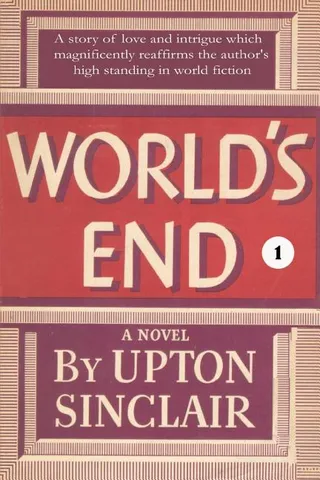
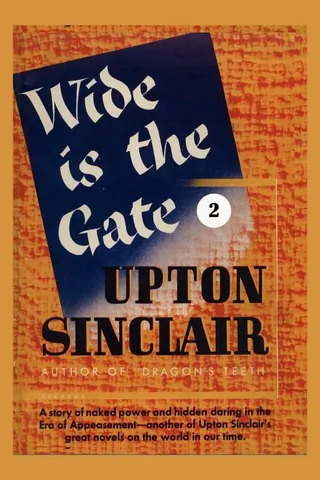
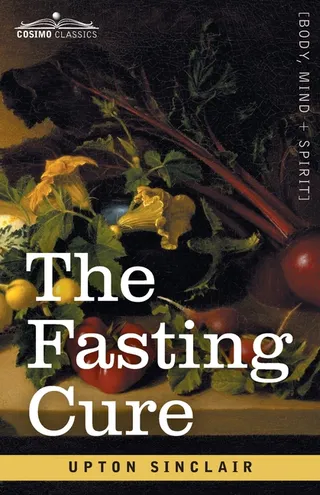
Upton Sinclair (1878-1968) was a prolific American author and social reformer best known for his muckraking novel "The Jungle" (1906), which exposed the harsh conditions and unsanitary practices in the U.S. meatpacking industry. This groundbreaking work led to significant public outcry and contributed to the passage of the Pure Food and Drug Act and the Meat Inspection Act in 1906. Throughout his career, Sinclair wrote over 90 books, covering a wide range of genres including novels, plays, essays, and non-fiction works. Many of his writings addressed social issues such as labor rights, poverty, political corruption, and the need for reform. He was associated with the Progressive Movement and ran for political office several times, including a notable campaign for Governor of California in 1934 under the platform of the End Poverty in California (EPIC) movement. Sinclair's other notable works include "Oil!" (1927), which inspired the film "There Will Be Blood" (2007), and "The Brass Check" (1919), which critiqued the American press and led to the establishment of the first code of ethics for journalists. Upton Sinclair's commitment to social justice and reform left a lasting impact on American literature and society.
More by Upton Sinclair


Michael Williams
Michael Williams (PhD, University of Pennsylvania) is Emeritus Senior Professor of Old Testament Studies at Calvin Theological Seminary, a member of the NIV Committee on Bible Translation and the Chairman of the NIrV Committee. He is the author of Deception in Genesis, The Prophet and His Message, Basics of Ancient Ugaritic, The Biblical Hebrew Companion for Bible Software Users, How to Read the Bible through the Jesus Lens, Hidden Prophets of the Bible and is editor and contributor of Mishneh Todah. His passion is to provide curious believers with knowledge of the Old Testament and its culture so that they may grow in their comprehension and appreciation of redemptive history and be adequately prepared to promote and defend the faith through word and action. Michael resides in Florida with his wife, Dawn.
More by Michael Williams








Why Readwise Books?
Readwise Books is an ebook & audiobook platform that automatically logs how much you and your friends read, making it fun and easy to read more. Learn more →