
Report an issue
Tell us what's wrong and we'll take a look.
Thanks – we got it. We'll review and follow up if needed.
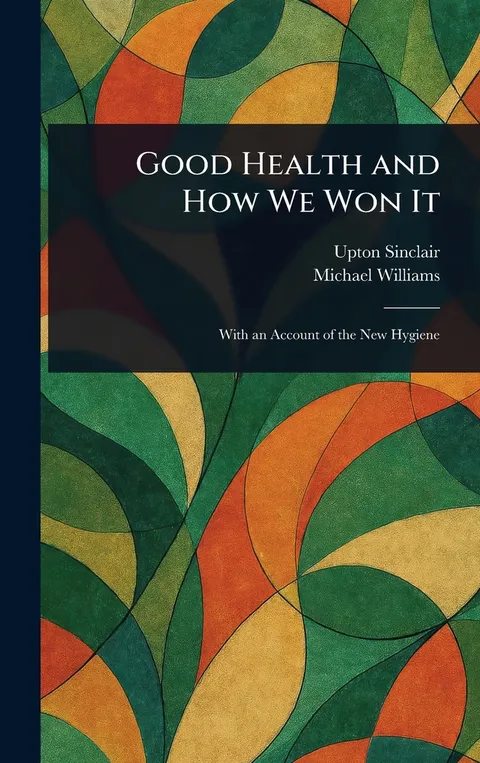
Ten years ago, when I was a student at college, I fell a victim to a new and fashionable ailment called "la grippe." I recollect the date very well, because it was the first time I had been sick in fourteen years-the last difficulty having been the whooping-cough. I have many times had occasion to recall the interview with the last physician I went to see. I made a proposition, which might have changed the whole course of my future life, had he only been capable of understanding it.
I said: "Doctor, it has occurred to me that I would like to have someone who knows about the body examine me thoroughly and tell me how to live." I can recollect his look of perplexity. "Was there anything the matter with you before this attack?" he asked. "Nothing that I know of," I answered; "but I have often reflected that the way I am living cannot be perfect; and I want to get as much out of my body and mind as I can. I should like to know, for instance, just what are proper things for me to eat"
"Nonsense," he interrupted. "You go right on and live as you have been living, and don't get to thinking about your health."
And so I went away and dismissed the idea. It was one that I had broached with a great deal of diffidence; so far as I knew, it was entirely original, and I was not sure how a doctor would receive it. All doctors that I had ever heard of were people who cured you when you were sick; to ask one to take you when you were well and help you to stay well, was to take an unfair advantage of the profession.
Upton Sinclair
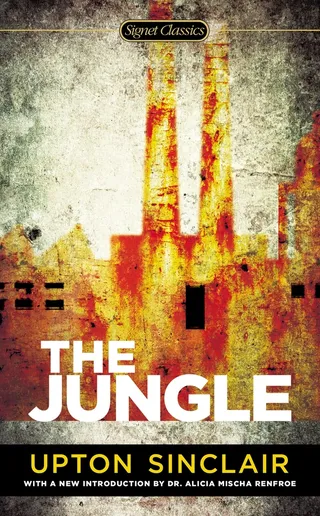
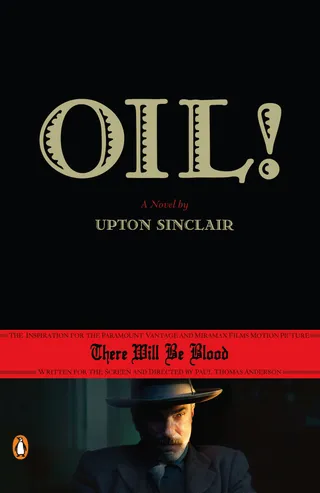
Upton Sinclair (1878-1968) was a prolific American author and social reformer best known for his muckraking novel "The Jungle" (1906), which exposed the harsh conditions and unsanitary practices in the U.S. meatpacking industry. This groundbreaking work led to significant public outcry and contributed to the passage of the Pure Food and Drug Act and the Meat Inspection Act in 1906. Throughout his career, Sinclair wrote over 90 books, covering a wide range of genres including novels, plays, essays, and non-fiction works. Many of his writings addressed social issues such as labor rights, poverty, political corruption, and the need for reform. He was associated with the Progressive Movement and ran for political office several times, including a notable campaign for Governor of California in 1934 under the platform of the End Poverty in California (EPIC) movement. Sinclair's other notable works include "Oil!" (1927), which inspired the film "There Will Be Blood" (2007), and "The Brass Check" (1919), which critiqued the American press and led to the establishment of the first code of ethics for journalists. Upton Sinclair's commitment to social justice and reform left a lasting impact on American literature and society.
More by Upton Sinclair




Why Readwise Books?
Readwise Books is an ebook & audiobook platform that automatically logs how much you and your friends read, making it fun and easy to read more. Learn more →