
Selections from the Writings of Lord Dunsay
Report an issue
Tell us what's wrong and we'll take a look.
Thanks – we got it. We'll review and follow up if needed.
These plays and stories have for their continual theme the passing away of gods and men and cities before the mysterious power which is sometimes called by some great god's name but more often "Time." His travelers, who travel by so many rivers and deserts and listen to sounding names none heard before, come back with no tale that does not tell of vague rebellion against that power, and all the beautiful things they have seen get something of their charm from the pathos of fragility. This poet who has imagined colors, ceremonies and incredible processions that never passed before the eyes of Edgar Allen Poe or of De Quincey, and remembered as much fabulous beauty as Sir John Mandeville, has yet never wearied of the most universal of emotions. . . . He can show us the movement of sand, as we have seen it where the seashore meets the grass, but so changed that it becomes the deserts of the world. Only the sand knew and arose and was troubled and lay down again and the wind knew.
Lord Dunsany
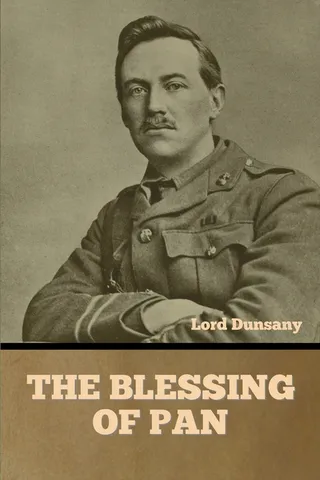
Edward J. M. D. Plunkett, the 18th Baron of Dunsany, was one of the foremost fantasy writers of the late nineteenth and early twentieth centuries. Lord Dunsany, and particularly his Book of Wonder, is widely recognized as a major influence on many of the best known fantasy writers, including J.R.R. Tolkien, H.P. Lovecraft, and C.S. Lewis. Holding one of the oldest titles in the Irish peerage, Lord Dunsany lived much of his life at Dunsany Castle, one of Ireland’s longest-inhabited homes. He died in 1957, leaving an indelible mark on modern fantasy writing.
More by Lord Dunsany



Why Readwise Books?
Readwise Books is an ebook & audiobook platform that automatically logs how much you and your friends read, making it fun and easy to read more. Learn more →