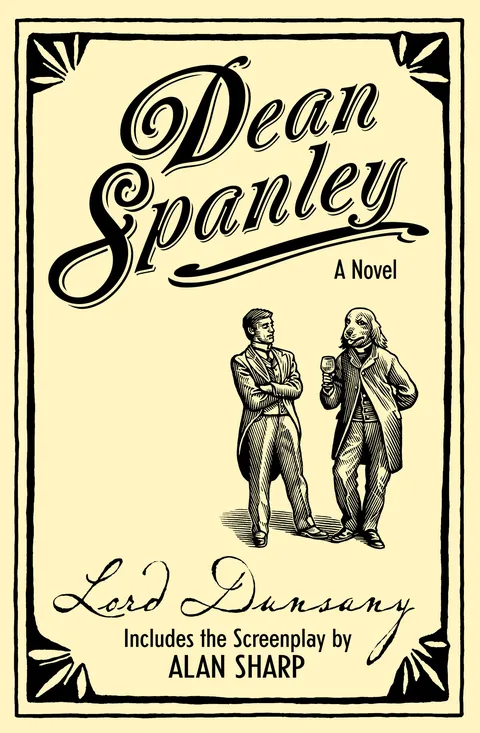
Dean Spanley: The Novel
Report an issue
Tell us what's wrong and we'll take a look.
Thanks – we got it. We'll review and follow up if needed.
The classic humorous novel about an alcohol-loving clergyman who thinks he is the reincarnation of a dog. Complete with the screenplay and photos from the new film starring Peter O’Toole and Sam Neill.
Dean Spanley is the very archetype of a bland churchman: affable, conventional, prudent without being a prig. Only his keen interest in the transmigration of souls and almost excessive enthusiasm for dogs betray any shadow of eccentricity. And then, richly primed with a few glasses of Imperial Tokay, he slips over the threshold between past and present and becomes a dog. Or are his canine memories no more than fancy? Surely no mere dean could speak so vividly, with such total conviction, of the joys of hunting, of rolling in fresh dung, of baying the moon? No human could know so much of rabbiting, the importance of buying bones, the contemptibility of pigs. My Talks With Dean Spanley, first published in 1936, is certainly Lord Dunsany’s funniest book and, in its unique way, a remarkable tour de force.
Now adapted into a new comedy-drama feature film, DEAN SPANLEY follows a father and son as they encounter the eponymous eccentric in this story of reincarnation and reconciliation set in Edwardian England. Adapted by Alan Sharp (Rob Roy) and directed by New Zealand-born Toa Fraser (No.2), a truly impressive international cast is led by eight-time Academy Award nominee Peter O'Toole (Venus, Lawrence of Arabia) and also features Jeremy Northam (The Winslow Boy, Gosford Park), Bryan Brown (Cocktail, Gorillas in the Mist) and Sam Neill (Jurassic Park, My Brilliant Career).
This special edition includes Lord Dunsany’s witty and inventive original novel, as well as Alan Sharp’s hilarious screenplay, which faithfully adapts and also expands upon the events in the book. Complete with colour photos and interviews with the principal film-makers, this whimsical, wintry tale about dogs, reincarnation and the effects of alcohol makes perfect Christmas reading for lovers of classic humorous storytelling.
Lord Dunsany
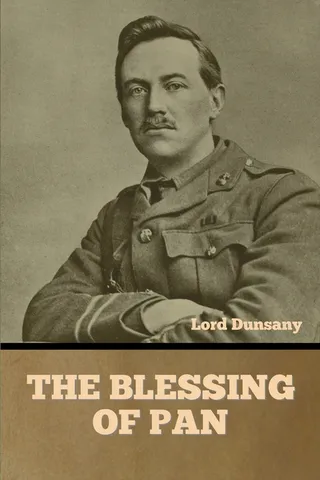
Lord Dunsany was born in London in 1878, the scion of an Anglo-Irish family that could trace its ancestry to the twelfth century. In 1905 he self-published The Gods of Pegana, and its critical and popular success impelled the publication of numerous other collections of short stories, including A Dreamer's Tales, The Book of Wonder, and The Last Book of Wonder. Dunsany also distinguished himself as a dramatist, and his early plays-collected in Five Plays and Plays of Gods and Men-were successful in Ireland, England, and the United States. Dunsany was seriously injured during the Dublin riots of 1916, and he also saw action in World War I as a member of the Coldstream Guards. In the 1920s Dunsany began writing novels, among them The King of Elfland's Daughter and The Blessing of Pan. He also wrote many tales of the loquacious clubman Joseph Jorkens, eventually collected in five volumes. His later plays include If, Plays of Near and Far, Seven Modern Comedies, and Plays for Earth and Air. By the 1930s, encouraged by W. B. Yeats and others to write about his native Ireland, he produced The Curse of the Wise Woman, The Story of Mona Sheehy, and other novels. His later tales were gathered in The Man Who Ate the Phoenix and The Little Tales of Smethers, but many works remain uncollected. Lord Dunsany died at Dunsany Castle in County Meath, Ireland, in 1957. He is recognized as a leading figure in the development of modern fantasy literature, influencing such writers as J. R. R. Tolkien, H. P. Lovecraft, and Ursula K. Le Guin.
More by Lord Dunsany





Why Readwise Books?
Readwise Books is an ebook & audiobook platform that automatically logs how much you and your friends read, making it fun and easy to read more. Learn more →