
The Book of Wonder
Report an issue
Tell us what's wrong and we'll take a look.
Thanks – we got it. We'll review and follow up if needed.
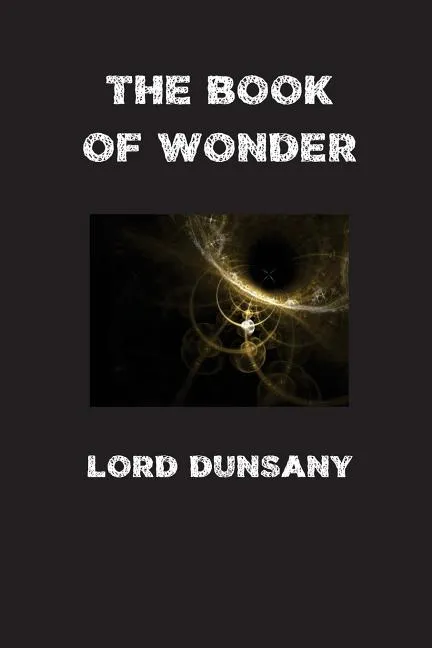

Come with me, ladies and gentlemen who are in any wise weary of London: come with me: and those that tire at all of the world we know: for we have new worlds here. In the morning of his two hundred and fiftieth year Shepperalk the centaur went to the golden coffer, wherein the treasure of the centaurs was, and taking from it the hoarded amulet that his father, Jyshak, in the years of his prime, had hammered from mountain gold and set with opals bartered from the gnomes, he put it upon his wrist, and said no word, but walked from his mother's cavern. And he took with him too that clarion of the centaurs, that famous silver horn, that in its time had summoned to surrender seventeen cities of Man, and for twenty years had brayed at star-girt walls in the Siege of Tholdenblarna, the citadel of the gods, what time the centaurs waged their fabulous war and were not broken by any force of arms, but retreated slowly in a cloud of dust before the final miracle of the gods that They brought in Their desperate need from Their ultimate armoury. He took it and strode away, and his mother only sighed and let him go.
Lord Dunsany
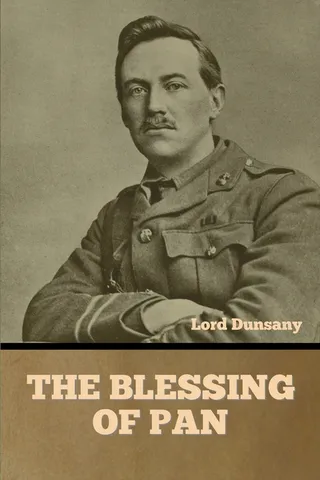
Edward J. M. D. Plunkett, the 18th Baron of Dunsany, was one of the foremost fantasy writers of the late nineteenth and early twentieth centuries. Lord Dunsany, and particularly his Book of Wonder, is widely recognized as a major influence on many of the best known fantasy writers, including J.R.R. Tolkien, H.P. Lovecraft, and C.S. Lewis. Holding one of the oldest titles in the Irish peerage, Lord Dunsany lived much of his life at Dunsany Castle, one of Ireland’s longest-inhabited homes. He died in 1957, leaving an indelible mark on modern fantasy writing.
More by Lord Dunsany




Why Readwise Books?
Readwise Books is an ebook & audiobook platform that automatically logs how much you and your friends read, making it fun and easy to read more. Learn more →