More Short Stories for Long Nights
Report an issue
Tell us what's wrong and we'll take a look.
Thanks – we got it. We'll review and follow up if needed.
Ancient cultures developed an understanding of life around them through oral histories passed down from generation to generation. These narratives explained the inexplicable: the mysteries of creation, good versus evil, love and lust, god and the afterlife, and were eventually collected in written form. These tales served as a moral compass, providing lessons in ethical conduct woven into stories of war and peace, life and death, truth and falsehood, good and evil, honor and revenge. This may explain why the deliberate destruction of knowledge (book banning and burning) became a favorite tool for tyrants.
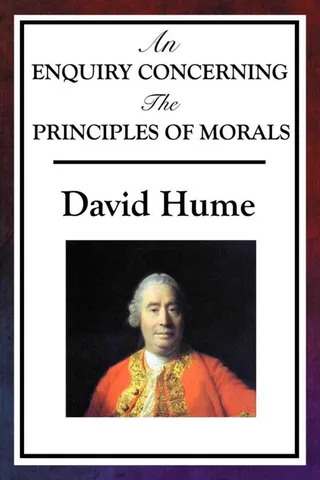
David Hume
David Hume was an eighteenth-century Scottish philosopher, historian, and essayist, and the author of A Treatise of Human Nature, considered by many to be one of the most important philosophical works ever published.
Hume attended the University of Edinburgh at an early age and considered a career in law before deciding that the pursuit of knowledge was his true calling. Hume’s writings on rationalism and empiricism, free will, determinism, and the existence of God would be enormously influential on contemporaries such as Adam Smith, as well as the philosophers like Schopenhauer, John Stuart Mill, and Karl Popper, who succeeded him. Hume died in 1776.
More by David Hume




Why Readwise Books?
Readwise Books is an ebook & audiobook platform that automatically logs how much you and your friends read, making it fun and easy to read more. Learn more →