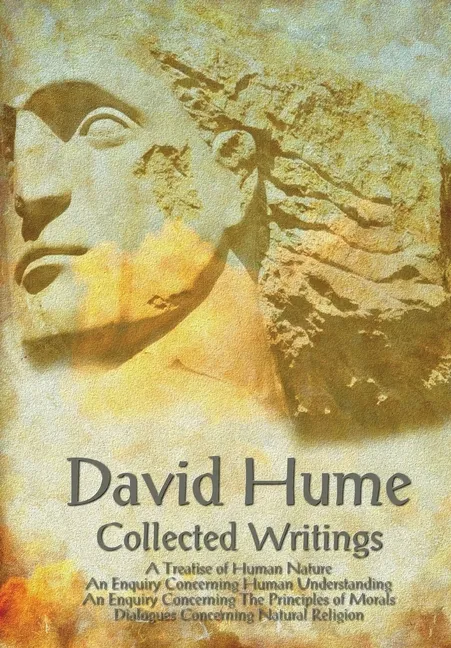
David Hume - Collected Writings (Complete and Unabridged), a Treatise of Human Nature, an Enquiry Concerning Human Understanding, an Enquiry Concernin
Report an issue
Tell us what's wrong and we'll take a look.
Thanks – we got it. We'll review and follow up if needed.
Philosopher David Hume was considered to one of the most important figures in the age of Scottish enlightenment.
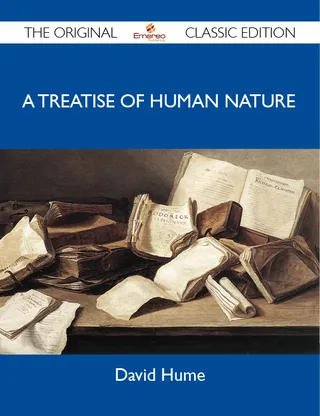
"A Treatise of Human Nature" broke new ground by attempting to base philosophy on human nature, making it one of the most important texts in Western Philosophy. Human passions and the ability to distinguish between virtue and vice are elucidated in the text.
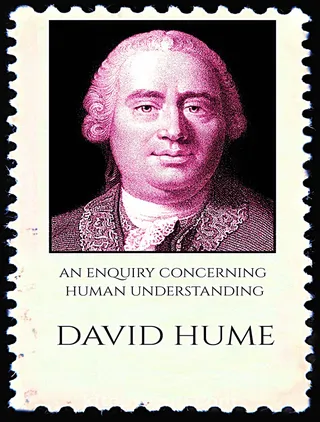
In "An Enquiry Concerning Human Understanding" Hume discusses the weaknesses that humans have in their abilities to understand the world around them. This book is often a textbook for Philosophy Courses.
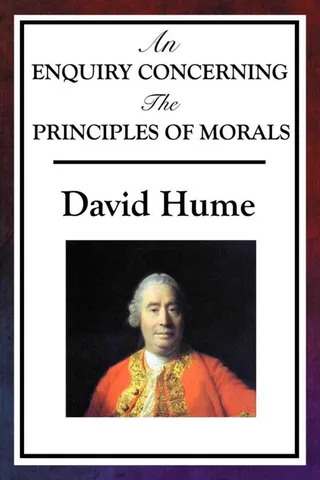
"An Enquiry Concerning the Principles of Morals" is an elegant enquiry into ethical theory, explained clearly and comprehensively.
In Hume's "Dialogues Concerning Natural Religion" he explores the very idea of God, the possibility of his existence, and his alleged nature as a good, perfect, omniscient, omnipotent Supreme Being.
David Hume
David Hume reshaped philosophy by questioning what we can truly know and how we come to believe it. Born in 1711 in Scotland, he became a central figure of the Enlightenment through his bold and skeptical thinking. A commitment to empiricism guided his philosophy, arguing that experience, not reason alone, forms the basis of knowledge.Careful inquiry and skepticism define the heart of his ideas. In works such as A Treatise of Human Nature and An Enquiry Concerning Human Understanding, he explored causation, belief, and the limits of reason. Insightful arguments reveal how habit and perception shape human thought more than pure logic.Lasting influence has made him one of the most important philosophers in Western thought. Thinkers such as Immanuel Kant were deeply influenced by his challenges to certainty and reason. Today, his work remains widely studied, valued for its clarity, depth, and enduring impact on philosophy.
More by David Hume





Why Readwise Books?
Readwise Books is an ebook & audiobook platform that automatically logs how much you and your friends read, making it fun and easy to read more. Learn more →