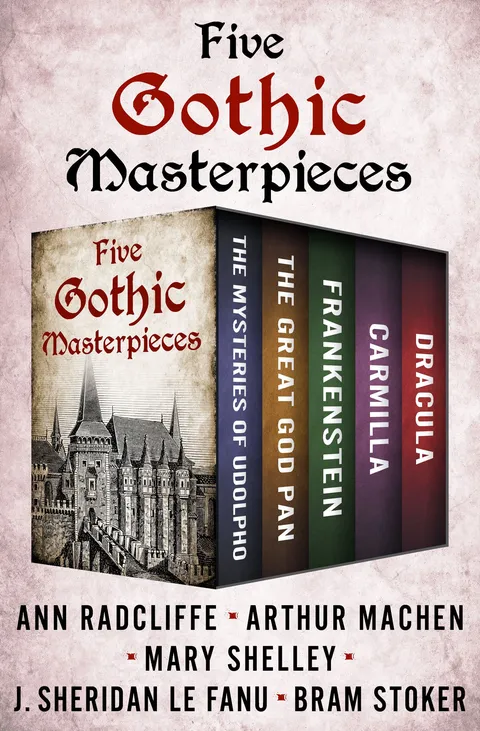
Five Gothic Masterpieces
The Mysteries of Udolpho, The Great God Pan, Frankenstein, Carmilla, and Dracula
Report an issue
Tell us what's wrong and we'll take a look.
Thanks – we got it. We'll review and follow up if needed.
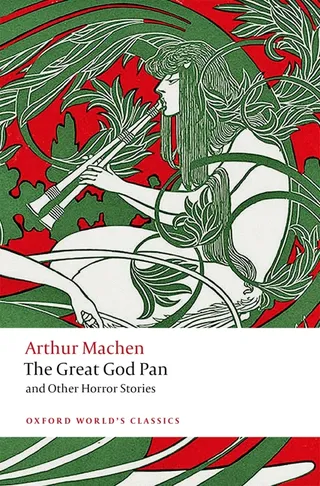
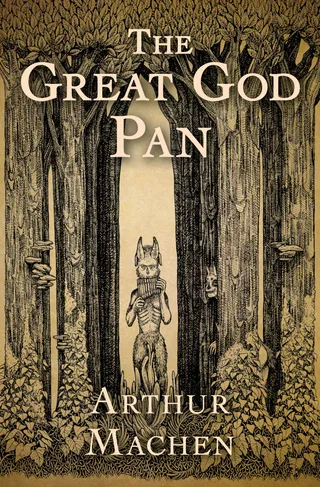
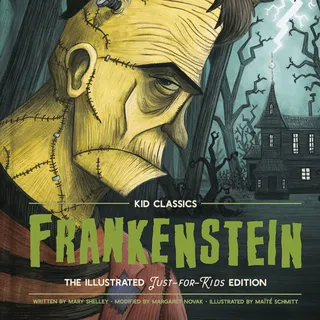
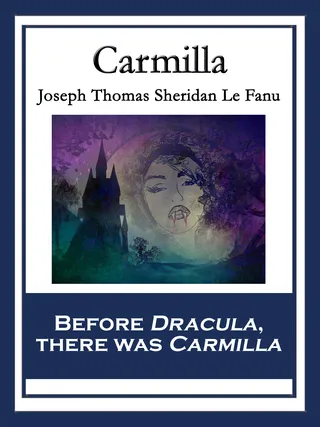
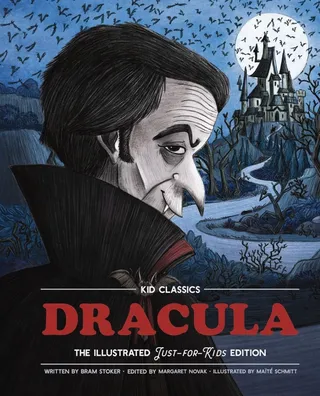
The iconic Gothic horror classics that gave birth to the monstrous myths that still inhabit our nightmares. Tragic heroines, windswept moors, dark and stormy nights, castle prisons, and forbidden desires realized at the greatest cost—these are the elements of Gothic horror, given its finest expression in these five enduring novels. Frankenstein: Obsessed with the secret of creation, Swiss scientist Dr. Victor Frankenstein cobbles together a body he is determined to bring to life. When the creature opens his eyes one fateful night, the doctor is repulsed: His vision of perfection is a hideous monster. Dr. Frankenstein abandons his creation, but the furious, lonely monster will not be ignored, setting in motion a chain of violence and terror. A gripping story about the ethics of creation and the consequences of trauma, Frankenstein is as relevant today as it is haunting. Dracula: Upon a visit to Transylvania, young English lawyer Jonathan Harker makes a horrifying discovery about Castle Dracula and its resident count, who survives on the blood of human beings. Thus a battle of wits ensues between the vicious count and his various adversaries in this legendary Gothic novel of horror, dark romance, and chilling suspense. Carmilla: Published twenty-five years before Stoker's Dracula, Carmilla is the passionate, thrilling tale of a mysterious young woman's dramatic arrival at an isolated castle. The innocent Laura has never seen anyone like the seductive, secretive Carmilla, except in her dreams—and an antique portrait, which resembles the visitor perfectly, down to the mole on her tempting neck. Laura quickly realizes there is something far more dark and sinister about Carmilla than meets the eye. The Great God Pan: When Mr. Clarke agrees to visit his friend Dr. Raymond, he is dubious about the proceedings he is to witness. In pursuit of what Raymond calls "transcendental medicine," the doctor intends to make a small incision in a woman's brain, allowing her to see past the world of the senses to a reality beyond imagining—a realm where, Raymond says, one can see the great god Pan. Stephen King has called The Great God Pan "one of the best horror stories ever written." The Mysteries of Udolpho: Orphaned heroine Emily St. Aubert has been imprisoned by Signor Montoni, her evil guardian, in his gloomy medieval fortress in the Apennines. Terror is the order of the day inside the walls of Udolpho, as Emily struggles against Montoni's rapacious schemes and the threat of her own psychological disintegration. A bestseller in its day and a potent influence on Walpole and Poe, this dreamlike, nearly hallucinatory classic remains one of the most important works in the history of European fiction. This ebook has been professionally proofread to ensure accuracy and readability on all devices.
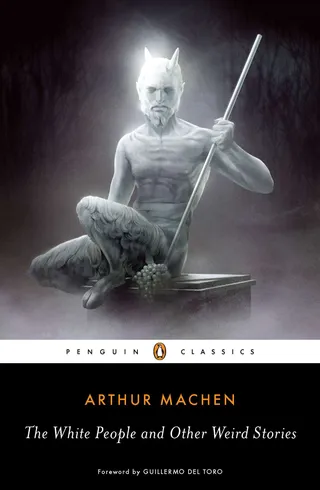

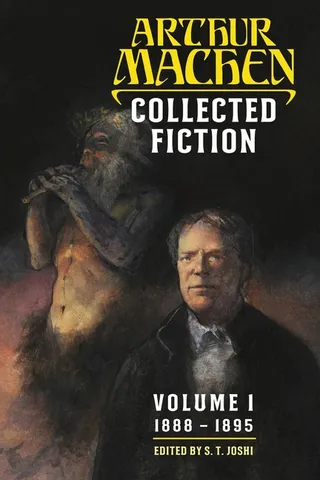
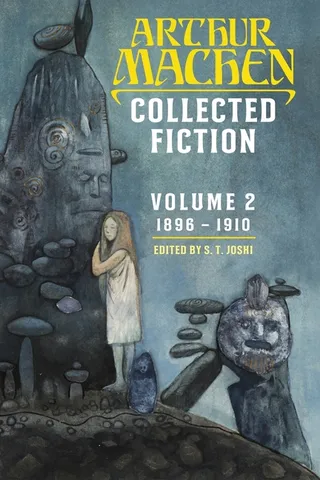
Mary Shelley
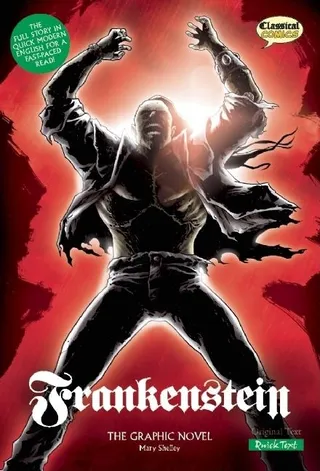
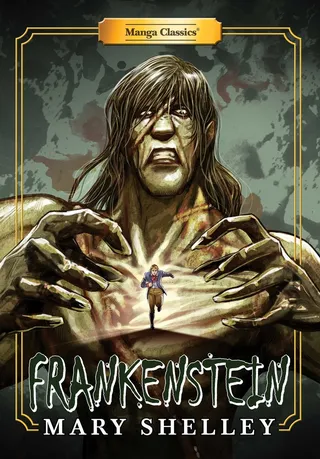
Mary Wollstonecraft Shelley was born on August 30, 1797, into a life of personal tragedy. In 1816, she married the poet Percy Bysshe Shelley, and that summer traveled with him and a host of other Romantic intellectuals to Geneva. Her greatest achievement was piecing together one of the most terrifying and renowned stories of all time: Frankenstein; or, The Modern Prometheus. Shelley said she conceived of Frankenstein in “a waking dream.” This vision was simply of a student kneeling before a corpse brought to life. Yet this tale of a mad creator and his abomination has inspired a multitude of storytellers and artists. She died on February 1, 1851.
More by Mary Shelley
Sheridan Le Fanu
Brown Wolf Publishing creates literary investigations, interactive casebooks, and reading companions for readers who want to question what a story leaves unsaid. Its books pair public-domain literature with original dossiers, timelines, evidence-based reading routes, and interpretive challenges for independent readers, book clubs, classrooms, and collectors of Gothic fiction.
More by Sheridan Le Fanu

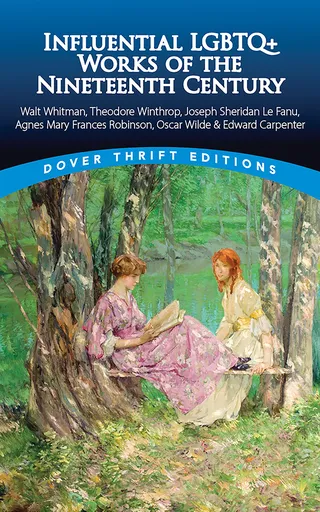
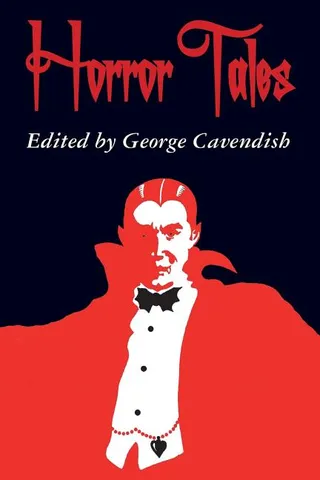

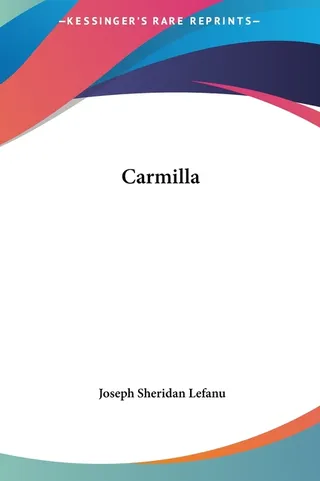
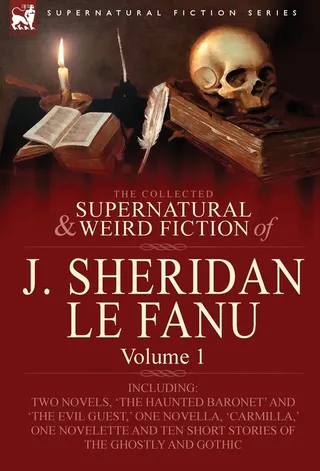

Bram Stoker
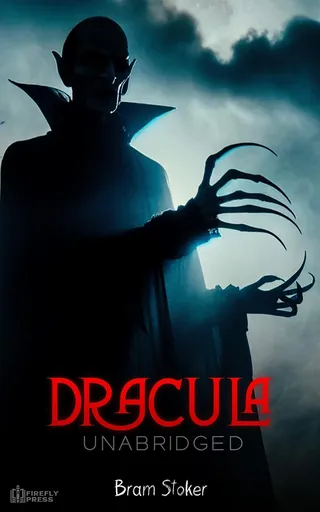
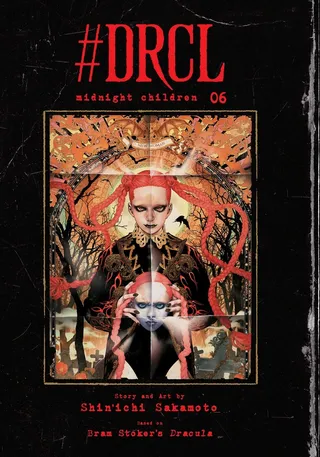
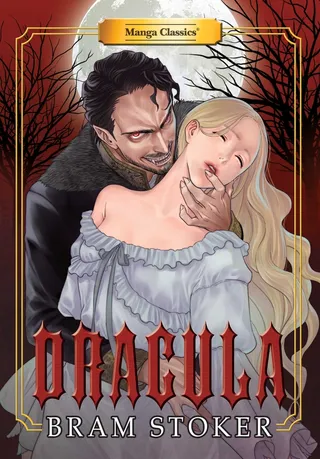
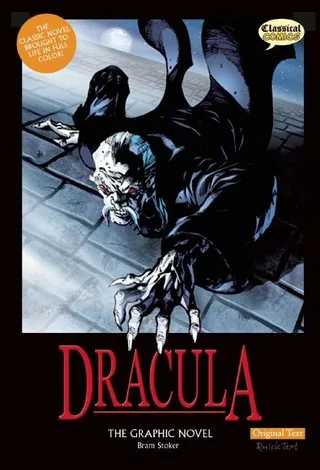
Bram Stoker (1847–1912) grew up in Ireland listening to his mother's tales of blood-drinking fairies and vampires rising from their graves. He later managed the Lyceum Theatre in London and worked as a civil servant, newspaper editor, reporter, and theater critic. Dracula, his best-known work, was published in 1897 and is hailed as one of the founding pieces of Gothic literature.
More by Bram Stoker


Why Readwise Books?
Readwise Books is an ebook & audiobook platform that automatically logs how much you and your friends read, making it fun and easy to read more. Learn more →