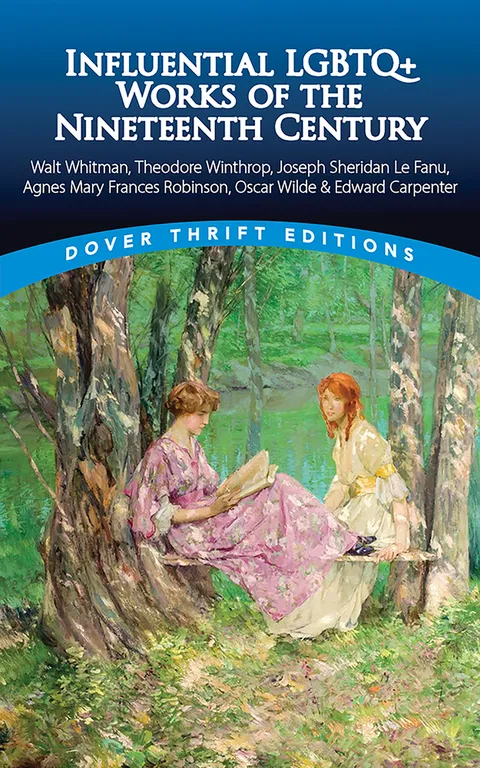
Influential LGBTQ+ Works of the Nineteenth Century
Walt Whitman, Theodore Winthrop, Joseph Sheridan Le Fanu, Agnes Mary Frances Robinson, Oscar Wilde & Edward Carpenter
Report an issue
Tell us what's wrong and we'll take a look.
Thanks – we got it. We'll review and follow up if needed.
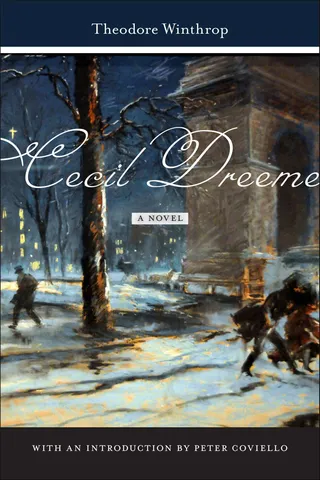
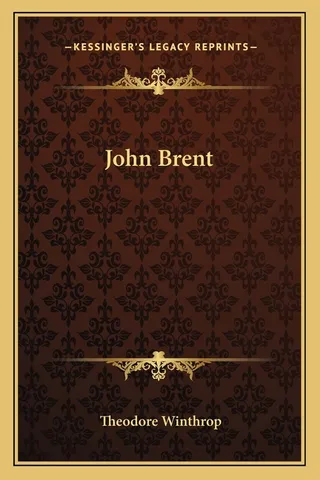
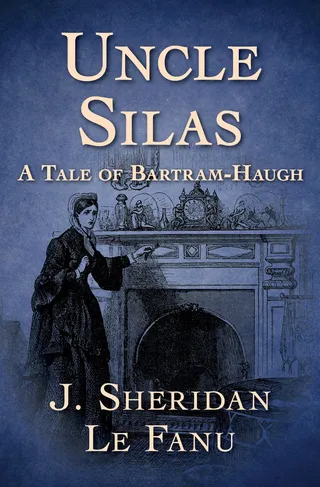
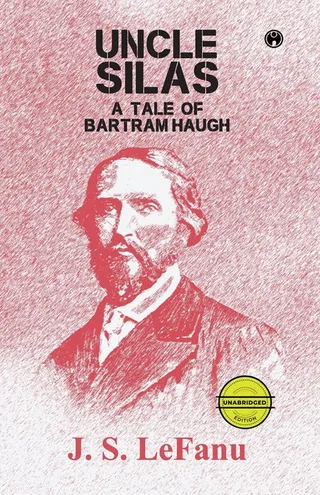
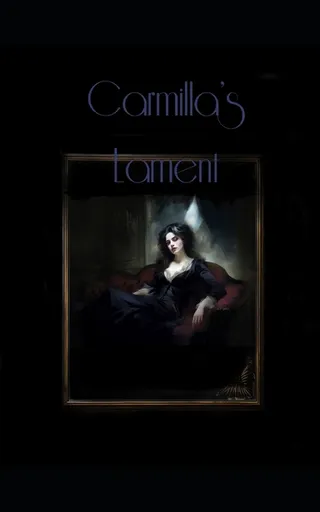
The nineteenth century brought sweeping changes, from industrialization to social reform movements, yet queerness remained taboo. Often at significant personal risk, a brave subculture of writers, artists, and thinkers explored themes of gender, sexuality, and identity. Ranging from Joseph Sheridan Le Fanu's horror novella Carmilla, which pioneered the lesbian vampire trope, to Edward Carpenter's Homogenic Love and Its Place in a Free Society, this original anthology shows how six authors represented the queer community. Selections include "Calamus" by Walt Whitman, Cecil Dreeme by Theodore Winthrop, An Italian Garden: A Book of Songs by Agnes Mary Frances Robinson, and The Picture of Dorian Gray by Oscar Wilde. Together, these excerpts from essays, fiction, and poetry offer valuable context for contemporary discussions fundamental to the early emancipation of homosexual rights.
Walt Whitman
Walt Whitman (1819–1892) was an American poet, essayist, and journalist. He was part of the humanist movement, and his work was controversial in its time. His best-known work is Leaves of Grass.
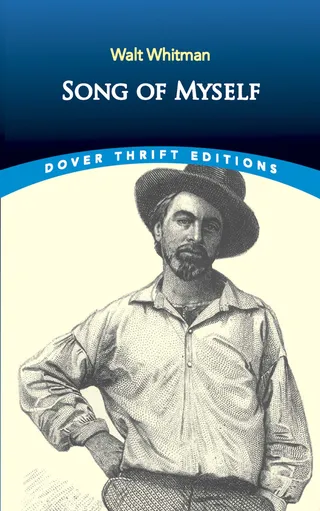
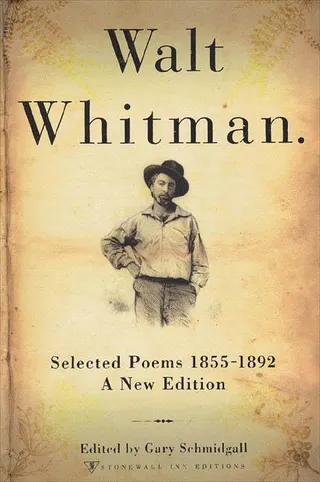
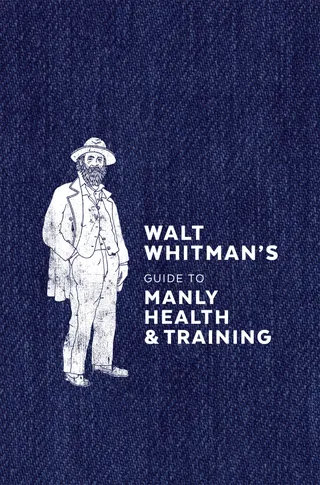
More by Walt Whitman



Oscar Wilde
Born in Ireland in 1856, Oscar Wilde was a noted essayist, playwright, fairy tale writer and poet, as well as an early leader of the Aesthetic Movement. His plays include: An Ideal Husband, Salome, A Woman of No Importance, and Lady Windermere's Fan. Among his best known stories are The Picture of Dorian Gray and The Canterville Ghost.
More by Oscar Wilde




Why Readwise Books?
Readwise Books is an ebook & audiobook platform that automatically logs how much you and your friends read, making it fun and easy to read more. Learn more →