Report an issue
Tell us what's wrong and we'll take a look.
Thanks – we got it. We'll review and follow up if needed.
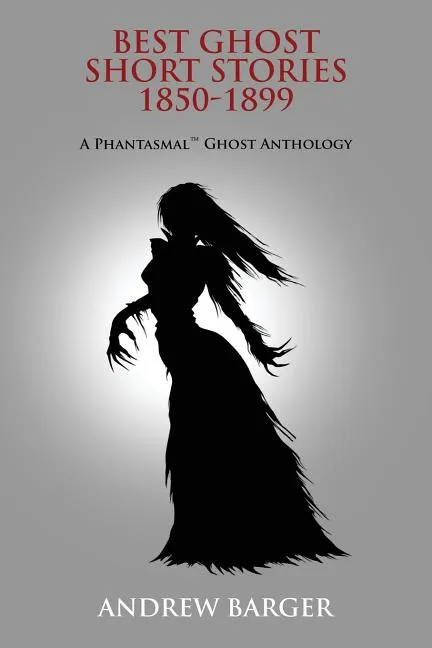
Best Ghost Short Stories 1850-1899: A Phantasmal Ghost Anthology contains the best ghost stories from the last half of the 19th century. It includes shocking tales from popular American and Victorian authors including: Bram Stoker, M. R. James, Joseph Le Fanu, Charles Dickens, Elizabeth Nesbit, and Francis Marion Crawford.
Andrew Barger, award-winning author and editor of The Divine Dantes trilogy, has now researched the finest ghost stories for the last half of the nineteenth century and combined them in one haunting collection. He has added his familiar scholarly touch by annotating the stories, providing story background information, author photos and a list of ghost stories considered to settle on the most frightening and well-written tales.
Victorians: Victors of the Ghost Story (2016) by Andrew Barger - Andrew sets the stage for this haunting ghost anthology.
The Upper Berth (1886) by Francis Marion Crawford - You will never think of cruising on a ship the same way after reading "The Upper Berth".
In Kropfsberg Keep (1895) by Ralph Adams Cram - A gothic setting yields a nightmare for a couple of "ghost hunters".
Lost Hearts (1895) by M. R. James - This early M. R. James classic ghost story is one of his best.
The Familiar (1872) by Joseph Le Fanu - Ever feel like you are being watched?
The Haunted Organist of Hurly Burly (1886) by Rosa Mulholland - You will never view an organ the same way again.
No. 1 Branch Line: The Signal Man (1865) by Charles Dickens - Are the nervous habits of a train tracks operator all in his mind?
Hurst of Hurstcote (1893) by Edith Nesbit - A moldering house and--of course--ghosts.
The Judge's House (1891) by Bram Stoker - The author of Dracula never disappoints.
The Yellow Sign (1895) by Robert Chambers - A painter sees someone watching him from a busy New York street.
The Haunted and the Haunters (1859) by Edward Bulwer-Lytton - The oldest and most haunting ghost short story in the anthology.
I am deeply and horribly convinced, that there does exist beyond this a spiritual world--a system whose workings are generally in mercy hidden from us--a system which may be, and which is sometimes, partially and terribly revealed.
"The Familiar" 1872
by
Joseph Sheridan Le Fanu
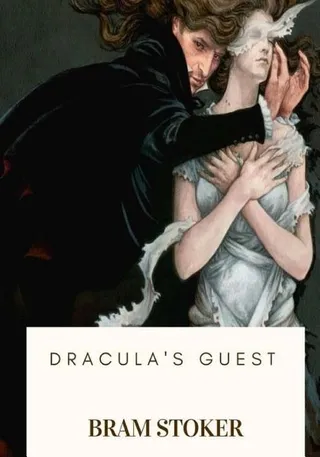
Bram Stoker
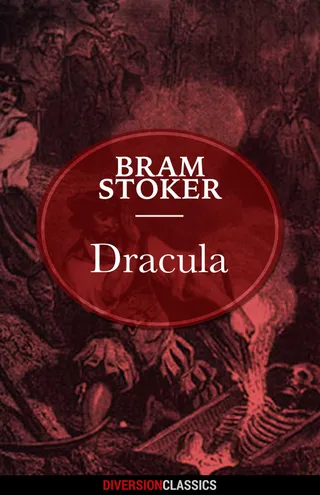
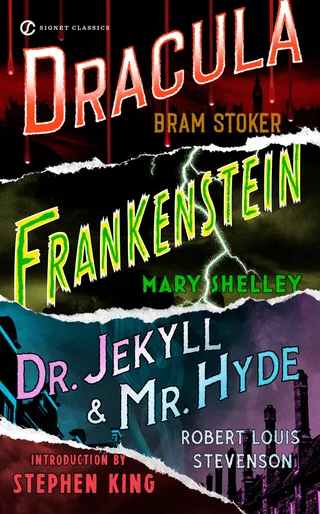
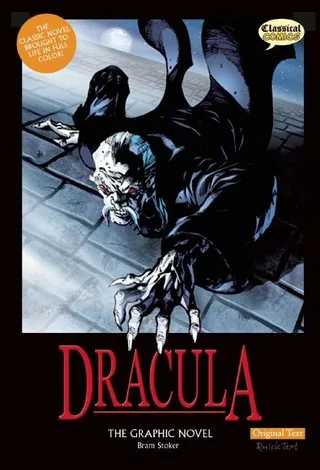
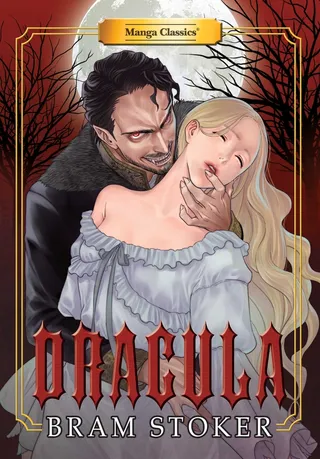
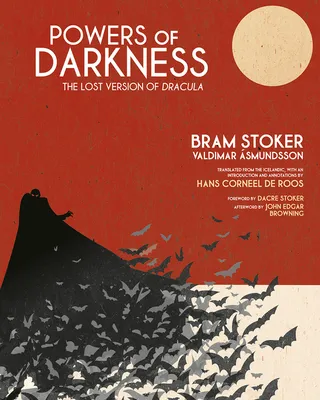
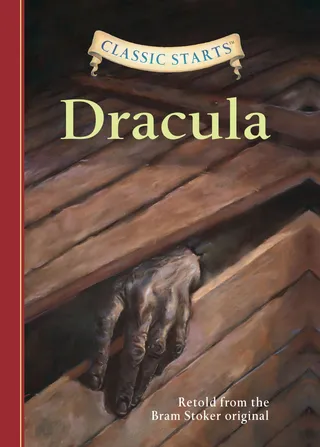
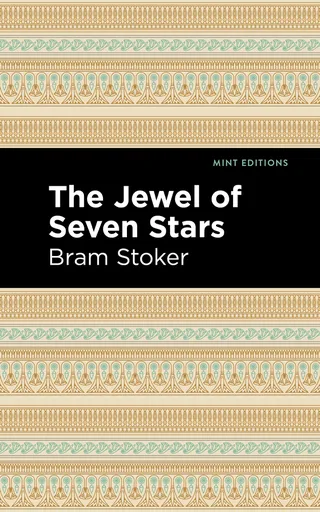
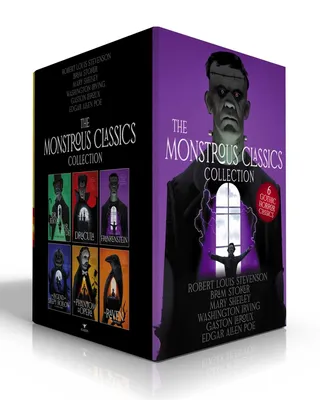
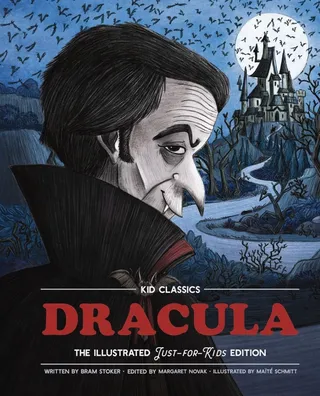
Bram (Abraham) Stoker was an Irish novelist, born November 8, 1847 in Dublin, Ireland. 'Dracula' was to become his best-known work, based on European folklore and stories of vampires. Although most famous for writing 'Dracula', Stoker wrote eighteen books before he died in 1912 at the age of sixty-four.
More by Bram Stoker
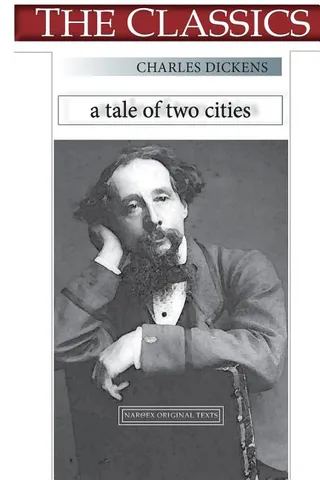
Dickens
Charles Dickens was born in 1812 near Portsmouth where his father was a clerk in the navy pay office. The family moved to London in 1823, but their fortunes were severely impaired. Dickens was sent to work in a blacking-warehouse when his father was imprisoned for debt. Both experiences deeply affected the future novelist. In 1833 he began contributing stories to newspapers and magazines, and in 1836 started the serial publication of Pickwick Papers. Thereafter, Dickens published his major novels over the course of the next twenty years, from Nicholas Nickleby to Little Dorrit. Dickens died in June 1870.
More by Dickens


Why Readwise Books?
Readwise Books is an ebook & audiobook platform that automatically logs how much you and your friends read, making it fun and easy to read more. Learn more →