Report an issue
Tell us what's wrong and we'll take a look.
Thanks – we got it. We'll review and follow up if needed.
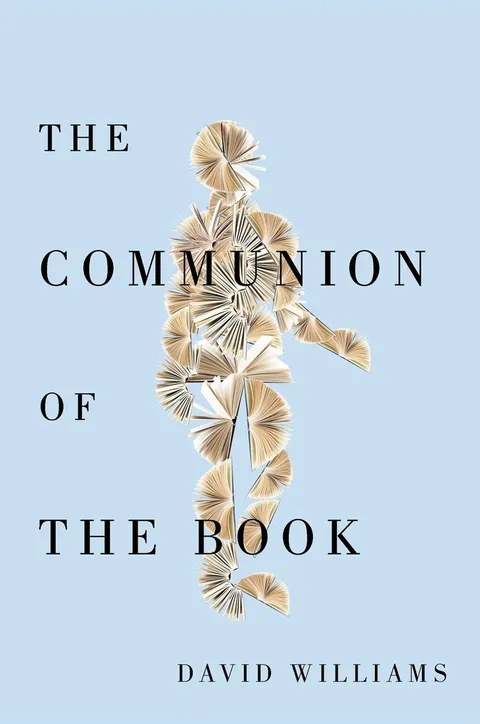
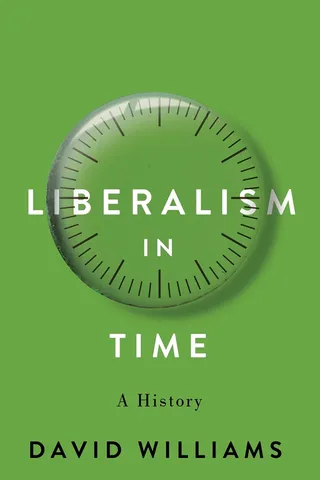
The modern world was not created by the civilization of Renaissance Italy, the advent of the printing press, or the marriage restrictions imposed by the medieval church. Rather, it was widespread reading that brought about most of the cognitive, psychological, and social changes that we recognize as peculiarly modern.
David Williams combines book and communications history with readings of major works by Petrarch, Bruni, Valla, Reuchlin, Erasmus, Foxe, and Milton to argue that expanding literacy in the Renaissance was the impetus for modern civilization, turning a culture of arid logic and religious ceremonialism into a world of individual readers who discovered a new form of communion in the act of reading. It was not the theologians Luther and Calvin who first taught readers to become what they read, but the biblical philologist Erasmus, who encountered the divine presence on every page of the gospels. From this sacramental form of reading came other modes of humanist reading, particularly in law, history, and classics, leading to the birth of the nation-state. As literacy rates rose, readers of all backgrounds gained and embodied the distinctly modern values of liberty, free speech, toleration, individualism, self-determination, and democratic institutions. Communion and community were linked, performed in novel ways through revolutionary forms of reading.
In this conclusion to a quartet of books on media change, Williams makes a compelling case for readers and acts of reading as the true drivers of social, political, and cultural modernity - and for digital media as its looming nemesis.
David Williams
David Williams was a writer best known for his crime-novel series featuring the banker Mark Treasure and police inspector DI Parry.
After serving as Naval Officer in the Second World War, Williams completed a History degree at St Johns College, Oxford before embarking on a career in advertising. He became a full-time fiction writer in 1978. Williams wrote twenty-three novels, seventeen of which were part of the Mark Treasure series of whodunnits which began with Unholy Writ (1976). His experience in both the Anglican Church and the advertising world informed and inspired his work throughout his career.
Two of Williams' books were shortlisted for the Crime Writers' Association Gold Dagger Award, and in 1988 he was elected to the Detection Club.
More by David Williams



Why Readwise Books?
Readwise Books is an ebook & audiobook platform that automatically logs how much you and your friends read, making it fun and easy to read more. Learn more →