Federation Versus Freedom
Report an issue
Tell us what's wrong and we'll take a look.
Thanks – we got it. We'll review and follow up if needed.
"Federation Versus Freedom" explores the dynamic interplay between centralized governance and individual liberties. Authored by an unknown writer, this text likely critiques the balance of power in political structures, particularly focusing on the tension between federalism and personal freedoms. The book likely delves into historical and contemporary examples, illustrating how different forms of government impact citizens' rights and autonomy. It may dissect the advantages and drawbacks of centralized control, comparing them to the potential benefits of a more decentralized or federated system. Through insightful analysis and compelling arguments, the book likely challenges readers to ponder the trade-offs between a strong central authority and the preservation of individual freedoms. As a work on political philosophy, "Federation Versus Freedom" likely contributes to ongoing discussions about the optimal balance between government authority and the rights of the governed.
B.R. Ambedkar
Bhimrao Ramji Ambedkar was born in 1891 into an "Untouchable" family of modest means. One of India's most radical thinkers, he transformed the social and political landscape in the struggle against British colonialism. He was a prolific writer who oversaw the drafting of the Indian Constitution and served as India's first Law Minister. In 1935, he publicly declared that though he was born a Hindu, he would not die as one. Ambedkar eventually embraced Buddhism, a few months before his death in 1956.
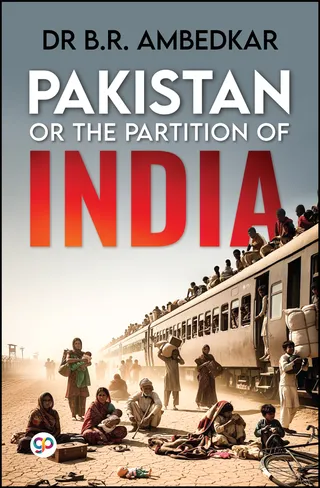
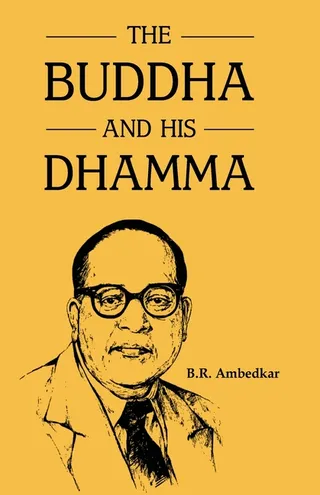
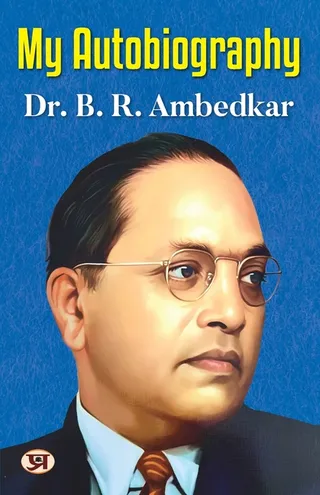
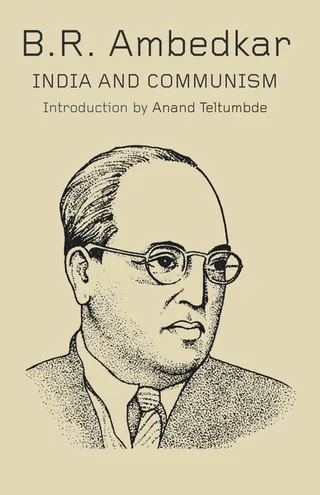
More by B.R. Ambedkar


Why Readwise Books?
Readwise Books is an ebook & audiobook platform that automatically logs how much you and your friends read, making it fun and easy to read more. Learn more →