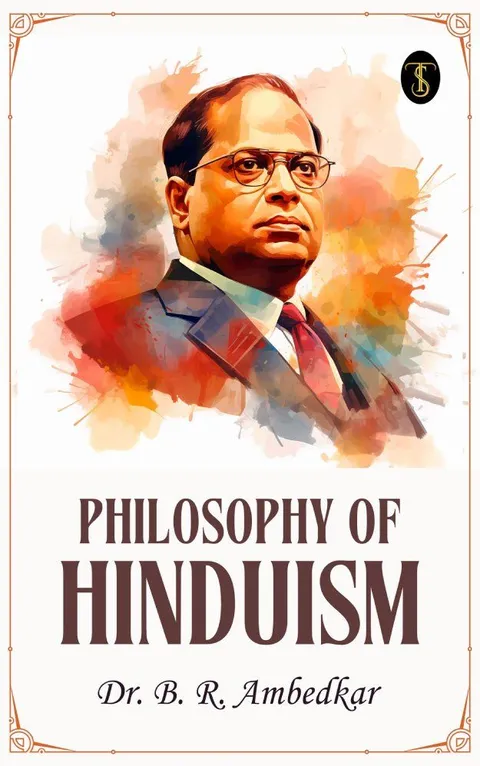
Philosophy of Hinduism
Report an issue
Tell us what's wrong and we'll take a look.
Thanks – we got it. We'll review and follow up if needed.
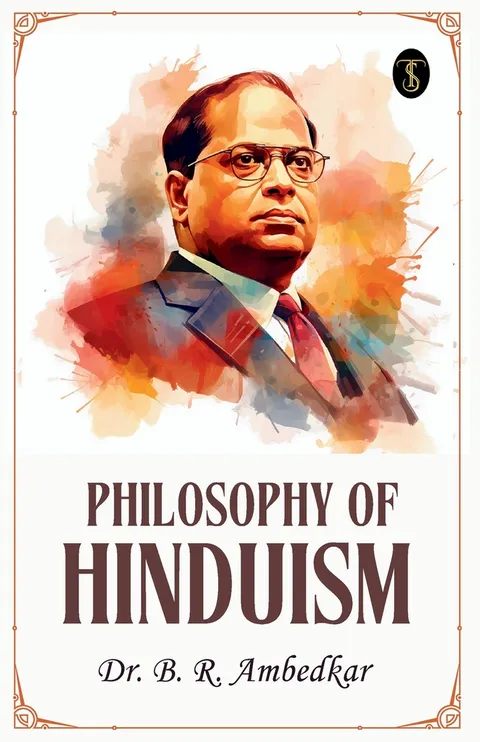
"The Philosophy of Hinduism" by B. R. Ambedkar is a seminal work that critically examines the foundational principles and philosophical underpinnings of Hinduism. Ambedkar, a prominent Indian jurist, social reformer, and the architect of the Indian Constitution, offers a comprehensive analysis of Hindu religious texts, beliefs, and practices. In this book, Ambedkar delves into the complexities of Hindu philosophy, questioning its doctrines and exposing its inherent inequalities, injustices, and contradictions. He explores the caste system, gender inequality, idol worship, and other aspects of Hinduism, challenging traditional interpretations and advocating for social justice and equality. Ambedkar's rigorous scholarship and incisive critique shed light on the historical and sociopolitical factors that have shaped Hinduism, while also offering insights into its contemporary relevance. "The Philosophy of Hinduism" stands as a groundbreaking work that continues to provoke thought and debate on issues of religion, morality, and social reform in India and beyond.
B. R. Ambedkar
Bhimrao Ramji Ambedkar was born in 1891 into an "Untouchable" family of modest means. One of India's most radical thinkers, he transformed the social and political landscape in the struggle against British colonialism. He was a prolific writer who oversaw the drafting of the Indian Constitution and served as India's first Law Minister. In 1935, he publicly declared that though he was born a Hindu, he would not die as one. Ambedkar eventually embraced Buddhism, a few months before his death in 1956.
More by B. R. Ambedkar














Why Readwise Books?
Readwise Books is an ebook & audiobook platform that automatically logs how much you and your friends read, making it fun and easy to read more. Learn more →