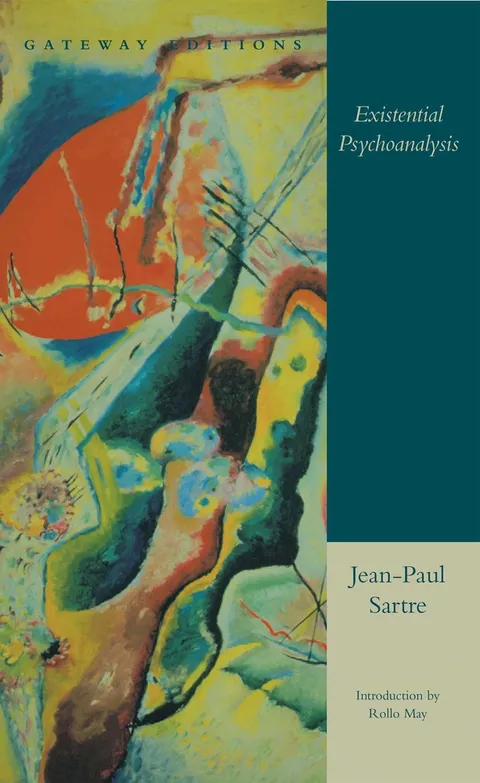
Existential Psychoanalysis
Report an issue
Tell us what's wrong and we'll take a look.
Thanks – we got it. We'll review and follow up if needed.
Sartre does all this on the basis of his existential understanding of man, and his unshakeable conviction that the human being simply cannot be understood at all if we see in him only what our study of subhuman forms of life permits us to see, or if we reduce him to naturalistic or mechanical determinism, or in any other way take away from the man we try to study his ultimate freedom and individual responsibility.
An incisive introduction by noted existential psychologist Rollo May guides readers through these challenging yet enlightening passages.
Jean-Paul Sartre
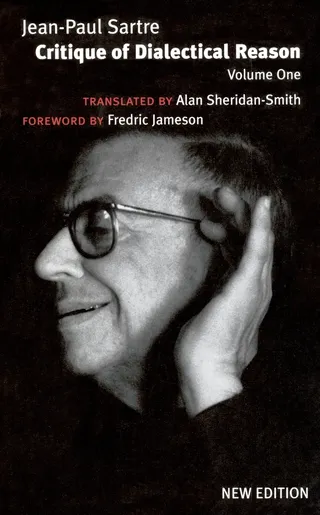
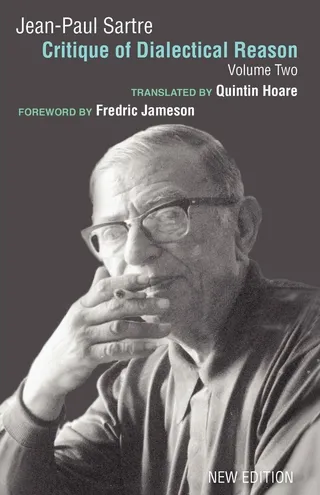
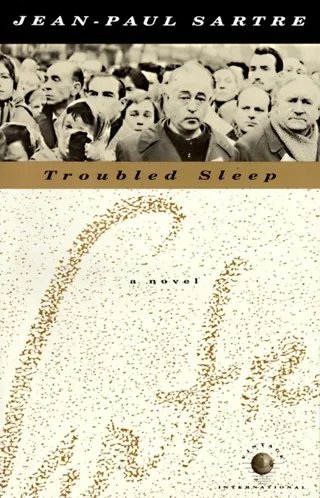
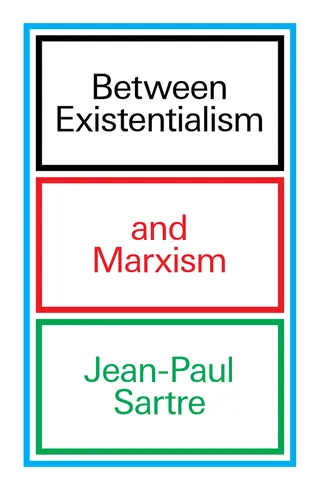
Jean-Paul Sartre (1905–1980) was a significant voice in the creation of existential thought. His explorations of the ways human existence is unique among all life-forms in its capacity to choose continue to influence fields such as Marxist philosophy, sociology, and literary studies. He was awarded the 1964 Nobel Prize in Literature, but refused the honor.
More by Jean-Paul Sartre





Why Readwise Books?
Readwise Books is an ebook & audiobook platform that automatically logs how much you and your friends read, making it fun and easy to read more. Learn more →