
Nausea
Report an issue
Tell us what's wrong and we'll take a look.
Thanks – we got it. We'll review and follow up if needed.
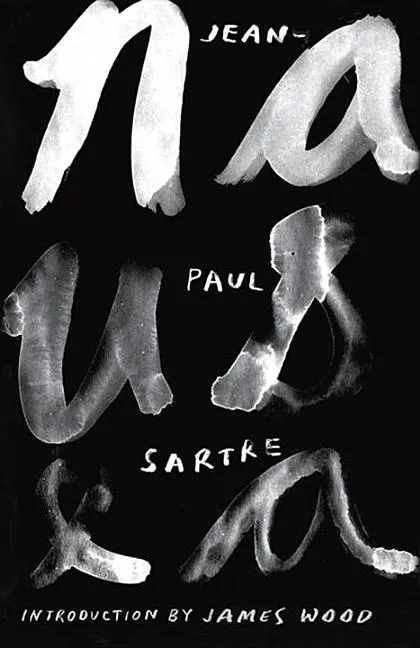
Sartre's greatest novel — and existentialism's key text — now introduced by James Wood.
Nausea is the story of Antoine Roquentin, a French writer who is horrified at his own existence. In impressionistic, diary form he ruthlessly catalogs his every feeling and sensation. His thoughts culminate in a pervasive, overpowering feeling of nausea which “spreads at the bottom of the viscous puddle, at the bottom of our time — the time of purple suspenders and broken chair seats; it is made of wide, soft instants, spreading at the edge, like an oil stain.”
Winner of the 1964 Nobel Prize in Literature (though he declined to accept it), Jean-Paul Sartre — philosopher, critic, novelist, and dramatist — holds a position of singular eminence in the world of French letters. La Nausée, his first and best novel, is a landmark in Existential fiction and a key work of the twentieth century.
Jean-Paul Sartre
Jean-Paul Sartre (1905–1980) was a significant voice in the creation of existential thought. His explorations of the ways human existence is unique among all life-forms in its capacity to choose continue to influence fields such as Marxist philosophy, sociology, and literary studies. He was awarded the 1964 Nobel Prize in Literature, but refused the honor.
More by Jean-Paul Sartre



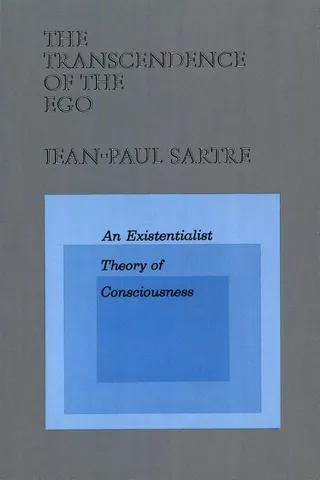
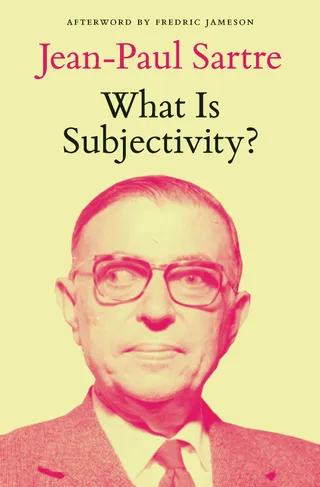
Lloyd Alexander
Translated by
Lloyd Alexander (1924-2007) was the author of more than forty books for children and adults, including the beloved children's fantasy series, the Chronicles of Prydain, one of the most widely read series in the history of fantasy and the inspiration for the animated Disney film, The Black Cauldron. His books have won numerous awards, including the Newbery Medal, the Newbery Honor, and the National Book Award for Juvenile Literature.


Why Readwise Books?
Readwise Books is an ebook & audiobook platform that automatically logs how much you and your friends read, making it fun and easy to read more. Learn more →