Report an issue
Tell us what's wrong and we'll take a look.
Thanks – we got it. We'll review and follow up if needed.
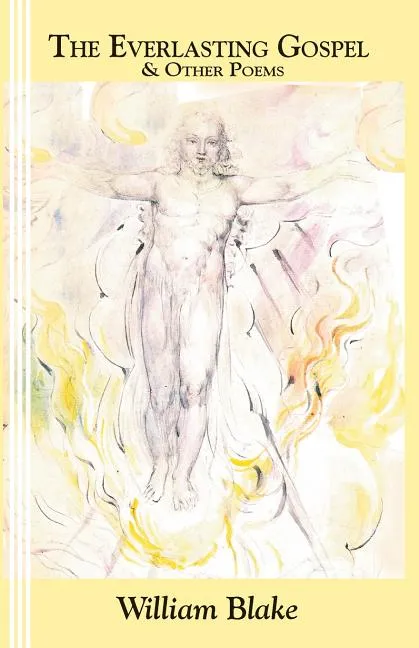
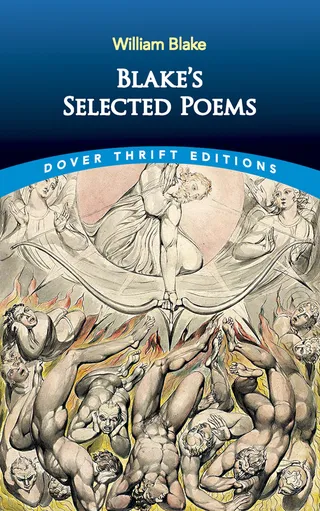
Blake's notebooks after his death disclose an unfinished poem titled "The Everlasting Gospel." The message of the poem is enduring, and presents a humanist document with few parallels and perhaps no predecessors. Blake's personality was seen by his contemporaries as part genius, part naïf-just the combination to touch areas of sensibility remote from the rest of us. But in fact good and evil are not at all remote, they are simply removed from our daily considerations. To live with such consciousness, and with such conviction to shout against the platitudes of our lives, may be possible only for such a personality. Blake's ability to step outside the conventional thinking of his day (and of ours) gave him a point of view from which he could critically re-evaluate cherished values and expectations of the Christian tradition, such as good and evil.
William Blake
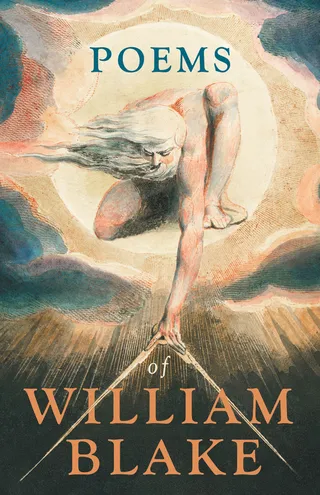
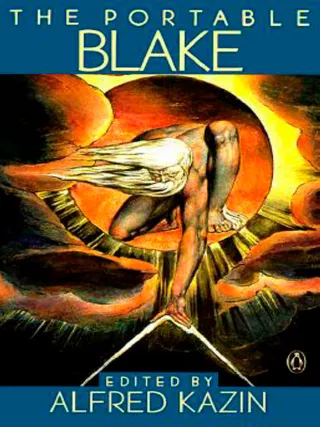
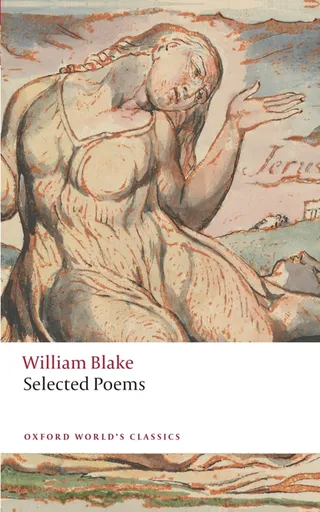
William Blake (1757-1827) was a nonconformist who associated with some of the leading radical thinkers of his day, such as Thomas Paine and Mary Wollstonecraft. A skilled engraver and illustrator, his illustrated poetry collections resembled the illuminated books of the Middle Ages.
More by William Blake


Why Readwise Books?
Readwise Books is an ebook & audiobook platform that automatically logs how much you and your friends read, making it fun and easy to read more. Learn more →