
Lucky Pehr
Report an issue
Tell us what's wrong and we'll take a look.
Thanks – we got it. We'll review and follow up if needed.

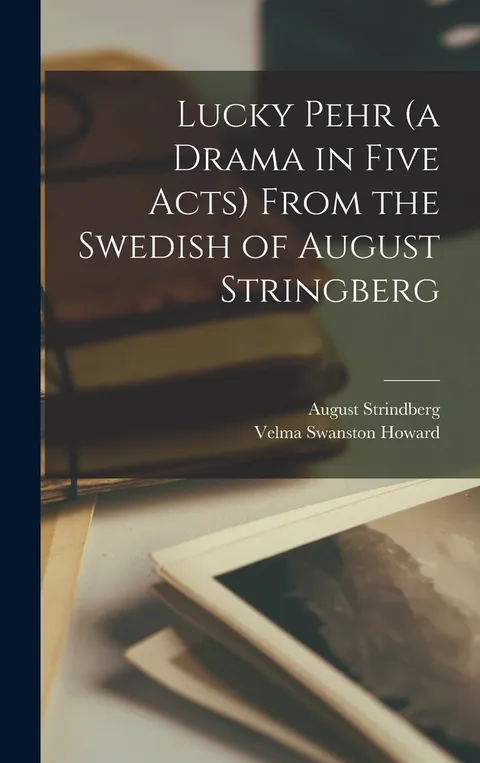
Lucky Pehr explores the tension between sheltered innocence and the desire for experience through a symbolic journey shaped by longing and illusion. The work centers on a protected existence removed from ordinary life, where routine and isolation create a powerful urge for escape. Supernatural influences introduce temptation in the form of promises that appear generous yet remain uncertain in their consequences. As freedom unfolds, aspirations collide with social expectations, revealing how imagined happiness often differs from lived reality. The narrative reflects on wish fulfillment as both gift and burden, suggesting that unchecked desire can distort judgment and identity. Moments of wonder are balanced by subtle warnings about the cost of abandoning stability for novelty. The progression emphasizes emotional awakening rather than external action, using contrasts between confinement and openness to explore maturity and self awareness. Through its shifting tone, the work examines how dreams shape behavior and how experience reshapes belief. The story ultimately presents happiness as fragile, shaped by choice, responsibility, and the limits of fantasy rather than simple escape.
August Strindberg
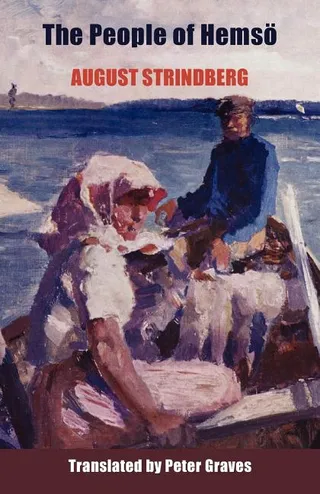
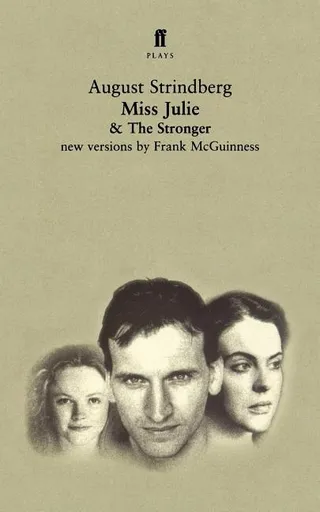
August Strindberg (1849-1912) was a Swedish playwright, novelist, poet, essayist, and painter, considered one of the most influential figures in Scandinavian literature and modern drama. His works are characterized by their exploration of psychological complexity, naturalism, and symbolism, often challenging conventional norms and exploring existential themes. Born in Stockholm, Sweden, Strindberg began his career as a journalist and writer, initially gaining recognition for his early novels and short stories. However, it was his contributions to drama that solidified his reputation. Strindberg's plays, such as "Miss Julie" (1888), "The Father" (1887), and "A Dream Play" (1902), are renowned for their intense psychological realism and innovative narrative techniques. He is credited with pioneering techniques in modernist theater and influencing playwrights and directors worldwide. Beyond drama, Strindberg's literary output includes novels, essays, poetry, and autobiographical works. His novels, like "The Red Room" (1879) and "The People of Hemsö" (1887), reflect his interest in naturalism and social criticism, often depicting the struggles of individuals against societal constraints. Strindberg's writing also reflects his tumultuous personal life and evolving philosophical outlook, which ranged from skepticism and naturalism to mysticism and expressionism. His exploration of themes such as identity, madness, gender roles, and the human condition continues to resonate with readers and scholars alike. In addition to his literary pursuits, Strindberg was a prolific painter and photographer, exploring symbolism and expressionism in visual art. His multifaceted creativity and intellectual curiosity have left a lasting legacy, making him a central figure in the development of modern literature and theater. August Strindberg's works continue to be studied and performed worldwide, celebrated for their profound insight into the complexities of human relationships and the existential dilemmas of modern life.
More by August Strindberg






Why Readwise Books?
Readwise Books is an ebook & audiobook platform that automatically logs how much you and your friends read, making it fun and easy to read more. Learn more →