Report an issue
Tell us what's wrong and we'll take a look.
Thanks – we got it. We'll review and follow up if needed.
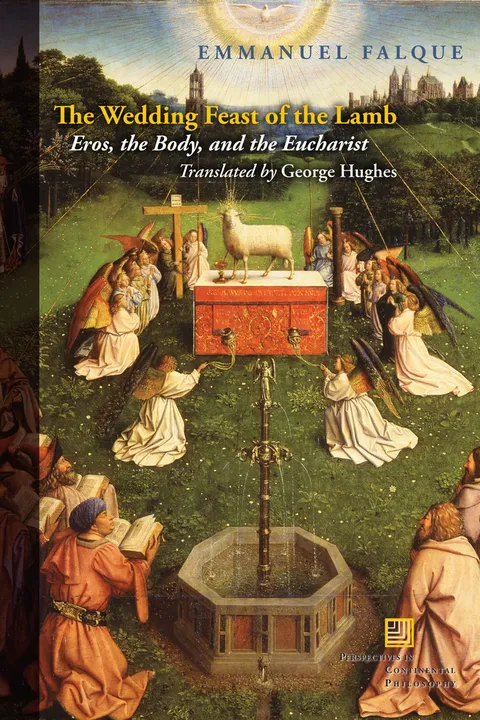
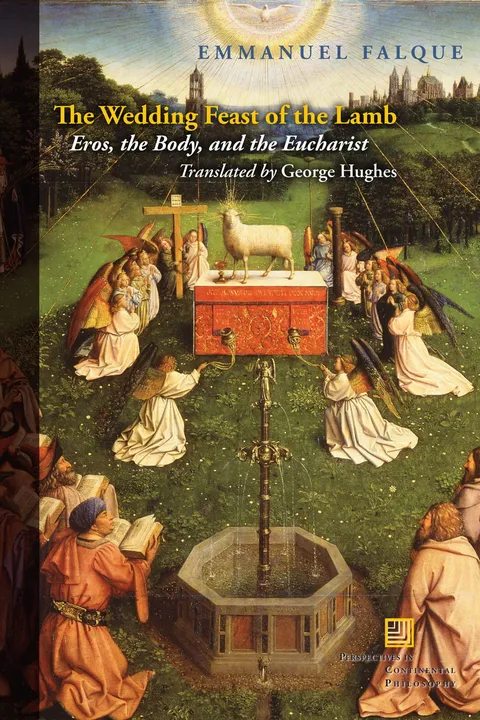
A philosophical and theological study of the eucharist in the Catholic Church. Emmanuel Falque's The Wedding Feast of the Lamb represents a turning point in his thought. Here, Falque links philosophy and theology in an original fashion that allows us to see the full effect of theology's "backlash" against philosophy. By attending closely to the incarnation and the eucharist, Falque develops a new concept of the body and of love. By avoiding the common mistake of "angelism"?consciousness without body?Falque considers the depths to which our humanity reflects animality, or body without consciousness. He shows the continued relevance of the question "How can this man give us his flesh to eat?" (John 6:52), especially to philosophy. We need to question the meaning of "this is my body" in "a way that responds to the needs of our time" (Vatican II). Because of the ways that "Hoc est corpus meum" has shaped our culture and our modernity, this is a problem both for religious belief and for culture. Praise for The Wedding Feast of the Lamb "Animality, embodiedness, and eros: such, for Emmanuel Falque, are the grounds for our hope as we kneel before the altar and await the words of consecration in the Eucharist and behold not only what nourishes us here but also an intimacy promised to us hereafter. Here, as a complement to theologies of the Eucharist, is a phenomenology of the sacred liturgy: perhaps the most capacious account of our desire for Christ in the Sacrament offered to us by a contemporary." —Kevin Hart, The University of Virginia "A generative text for advanced study of worship and a deeper engagement of phenomenological approaches to sacramental theology." —Homiletic: The Journal of the Academy of Homiletics
Emmanuel Falque
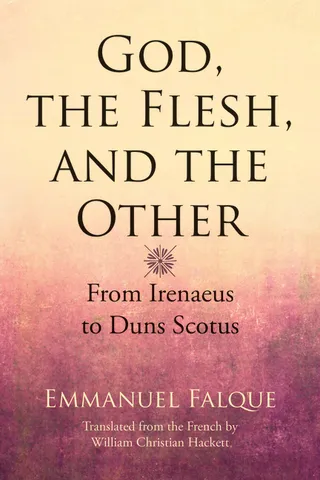
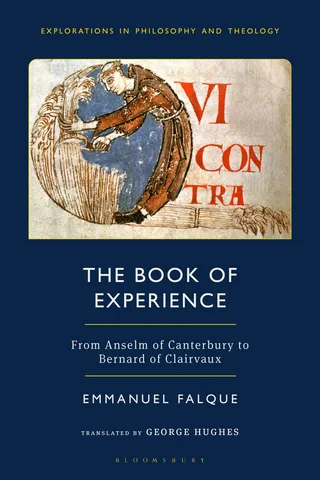
Emmanuel Falque is the honorary dean of the Philosophy Faculty of the Institut Catholique de Paris. A specialist in patristic and medieval philosophy, in phenomenology, and in philosophy of religion. His most recent books include The Book of Experience (2024), By Way of Obstacles (2022), and Nothing to It (2020).
More by Emmanuel Falque
Pat Hughes
Translated by
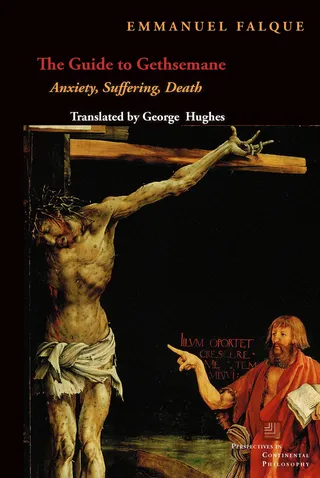
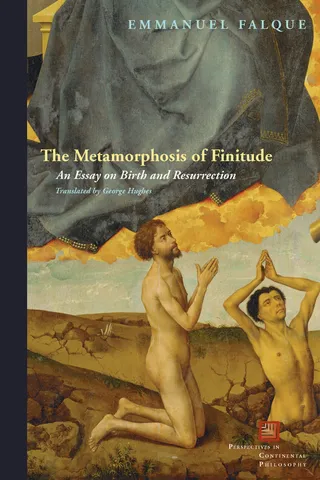
George Hughes was formerly Professor of English and Comparative Literature in the Faculty of Letters at Tokyo University. He is the author of Reading Novels (2002) and the translator of four other books by Emmanuel Falque: The Metamorphosis of Finitude (2012), The Wedding Feast of the Lamb (2016), The Guide to Gethsemane (2019), and The Book of Experience (2024).


Why Readwise Books?
Readwise Books is an ebook & audiobook platform that automatically logs how much you and your friends read, making it fun and easy to read more. Learn more →