Report an issue
Tell us what's wrong and we'll take a look.
Thanks – we got it. We'll review and follow up if needed.
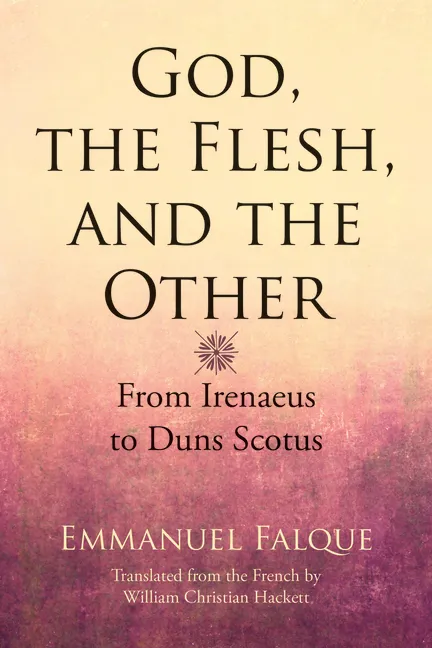
In God, the Flesh, and the Other, the philosopher Emmanuel Falque joins the ongoing debate about the role of theology in phenomenology. An important voice in the second generation of French philosophy's "theological turn," Falque examines philosophically the fathers of the Church and the medieval theologians on the nature of theology and the objects comprising it. Falque works phenomenology itself into the corpus of theology. Theological concepts thus translate into philosophical terms that phenomenology should legitimately question: concepts from contemporary phenomenology such as onto-theology, appearance, reduction, body/flesh, inter-corporeity, the genesis of community, intersubjectivity, and the singularity of the other find penetrating analogues in patristic and medieval thought forged through millennia of Christological and Trinitarian debate, mystical discourses, and speculative reflection. Through Falque's wide-ranging interpretive path, phenomenology finds itself interrogated--and renewed.
Emmanuel Falque
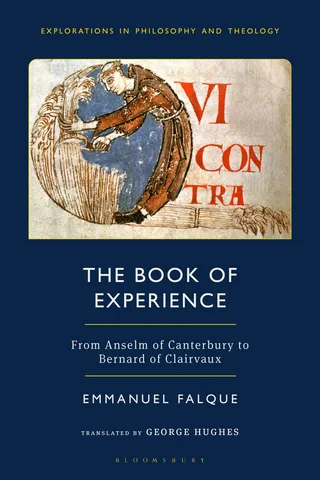
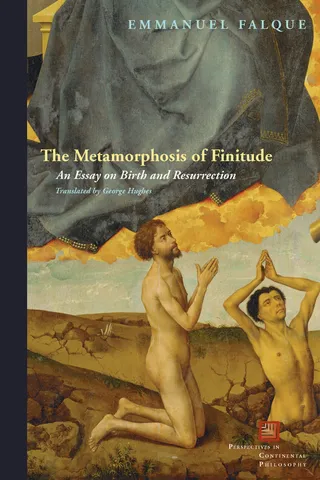
Emmanuel Falque is the honorary dean of the Philosophy Faculty of the Institut Catholique de Paris. A specialist in patristic and medieval philosophy, in phenomenology, and in philosophy of religion. His most recent books include The Book of Experience (2024), By Way of Obstacles (2022), and Nothing to It (2020).
More by Emmanuel Falque


Why Readwise Books?
Readwise Books is an ebook & audiobook platform that automatically logs how much you and your friends read, making it fun and easy to read more. Learn more →