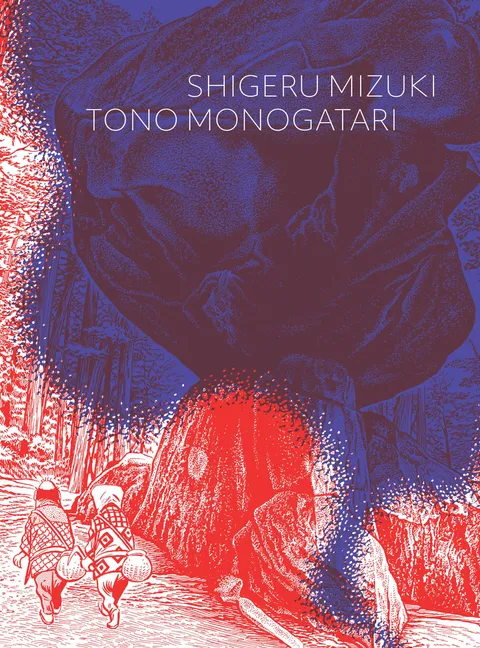
Tono Monogatari
Report an issue
Tell us what's wrong and we'll take a look.
Thanks – we got it. We'll review and follow up if needed.
The beloved mangaka adapts one of his country - and the world's - great works of supernatural literature
Shigeru Mizuki--Japan's grand master of yokai comics--adapts one of the most important works of supernatural literature into comic book form. The cultural equivalent of the fairy tales of the Brothers Grimm, Tono Monogatari is a defining text of Japanese folklore and one of the country's most important works of literature. This graphic novel was created during the later stage of Mizuki's career, after he had retired from the daily grind of commercial comics to create personal, lasting works of art.
Originally written in 1910 by folklorists and field researchers Kunio Yanagita and Kizen Sasaki, Tono Monogatari celebrates and archives legends from the Tono region. These stories were recorded as Japan's rapid modernization led to the disappearance of traditional culture. This adaptation mingles the original text with autobiography: Mizuki attempts to retrace Yanagita and Sasaki's path, but finds his old body is not quite up to the challenge of following in their footsteps. As Mizuki wanders through Tono he retells some of the most famous legends, manifesting a host of monsters, dragons, and foxes. In the finale, Mizuki meets Yanagita himself and they sit down to discuss their works.
Translated and with additional essays by Mizuki scholar Zack Davisson, Tono Monogatari displays Mizuki at his finest, exploring the world he most cherished.
Shigeru Mizuki
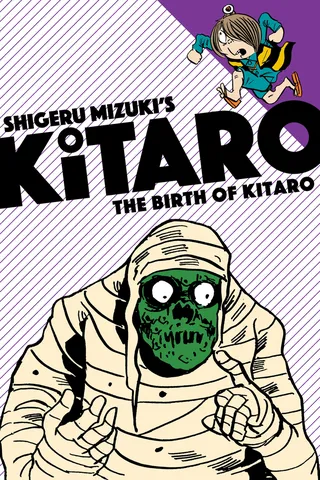
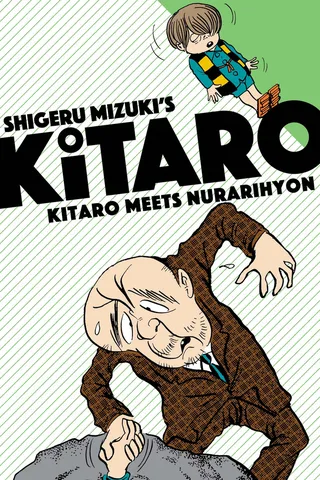
Shigeru Mizuki (1922-2015) was one of Japan's most respected artists. A creative prodigy, he lost an arm in World War II. After the war, Mizuki became one of the founders of Japan's latest craze--manga. He invented the yokai genre with GeGeGe no Kitaro, his most famous character, who has been adapted for the screen several times, as anime, live action, and video games. In fact, a new anime series has been made every decade since 1968, capturing the imaginations of generations of Japanese children. A researcher of yokai and a real-life ghost hunter, Mizuki traveled to over sixty countries to engage in fieldwork based on spirit folklore. In his hometown of Sakaiminato, one can find Shigeru Mizuki Road, a street decorated with bronze statues of his Kitaro characters.
More by Shigeru Mizuki


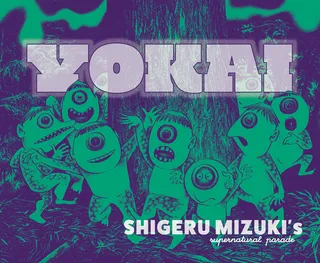



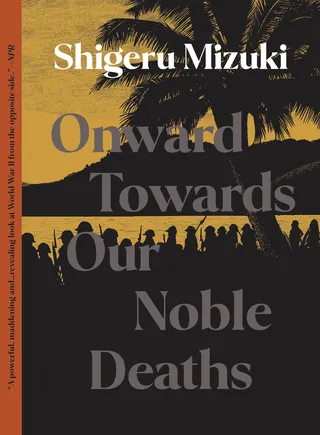
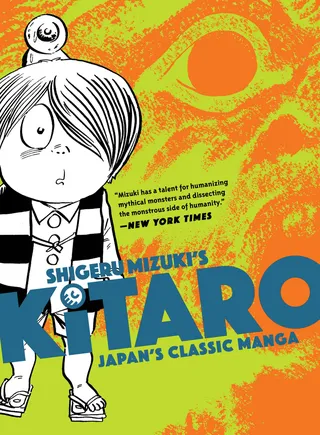


Zack Davisson
Translated by
Based in Seattle, Zack Davisson is an award-winning writer, translator, and lecturer on faculty at NYU. He has been featured by NPR, BBC, and The New York Times, and has won multiple Eisner Awards and the Bram Stoker Award.


Why Readwise Books?
Readwise Books is an ebook & audiobook platform that automatically logs how much you and your friends read, making it fun and easy to read more. Learn more →