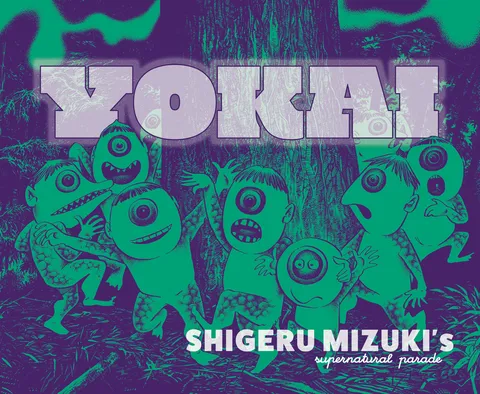
Yokai: Shigeru Mizuki's Supernatural Parade
Report an issue
Tell us what's wrong and we'll take a look.
Thanks – we got it. We'll review and follow up if needed.
As travelers approach a lush, cedar forest--the soft floor and woodland scent palpable from Shigeru Mizuki's fecund drawing--something falls from the trees with a thud: a human head, twelve times average size. A dozen more heads follow, peering at the travelers with maniacal laughter, before retreating back into the woods. A hallucination? No, this is Tohoku No Tsurubeotoshi.
An earthworm, larger than a human, floats in the air, backlit from window lights ensconced by shadowy darkness. Sontsuru--majestic on the page in Shigeru Mizuki's delicate ink lines and bold colors--is no worm, but a yokai who haunts families across generations, wriggling between their skin and muscles.
And then there is Shirime, a city dwelling trickster who shouts, "A moment, sir!" only to then lift their kimono to reveal their unusual rump--a giant, glowing eyeball where one would otherwise expect a crack.
Indeed, not all the yokai in the pages of Yokai: Shigeru Mizuki's Supernatural Parade are there to cause fright. Like Mizuki himself, yokai often have a playful spirit, which Mizuki explores with joy in this stunning collection, which contains one hundred new, lavish, full page yokai illustrations, with biographies for each.
Yokai: Shigeru Mizuki's Supernatural Parade is the companion book to Yokai: The Art of Shigeru Mizuki, and includes supplementary writing by acclaimed Mizuki scholar and translator Zack Davisson.
Shigeru Mizuki
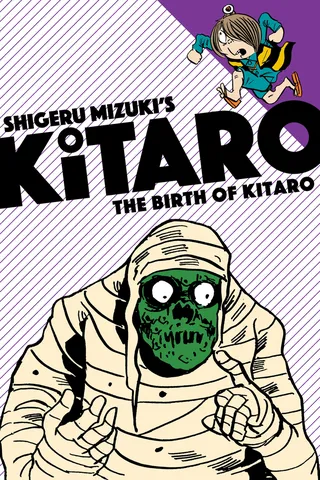
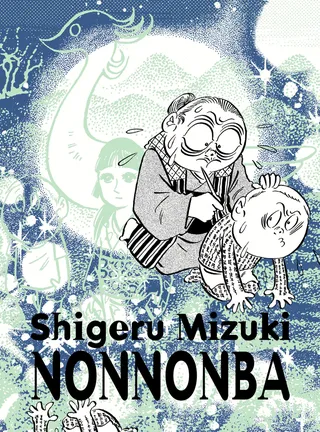
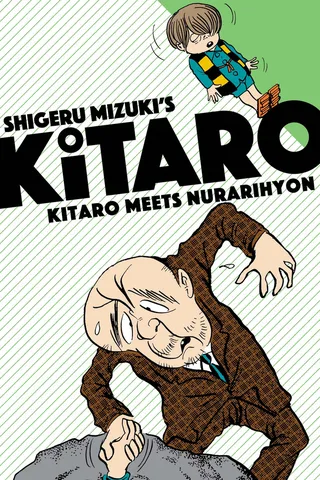
Shigeru Mizuki (1922-2015) was one of Japan's most respected artists. A creative prodigy, he lost an arm in World War II. After the war, Mizuki became one of the founders of Japan's latest craze--manga. He invented the yokai genre with GeGeGe no Kitaro, his most famous character, who has been adapted for the screen several times, as anime, live action, and video games. In fact, a new anime series has been made every decade since 1968, capturing the imaginations of generations of Japanese children. A researcher of yokai and a real-life ghost hunter, Mizuki traveled to over sixty countries to engage in fieldwork based on spirit folklore. In his hometown of Sakaiminato, one can find Shigeru Mizuki Road, a street decorated with bronze statues of his Kitaro characters.
More by Shigeru Mizuki


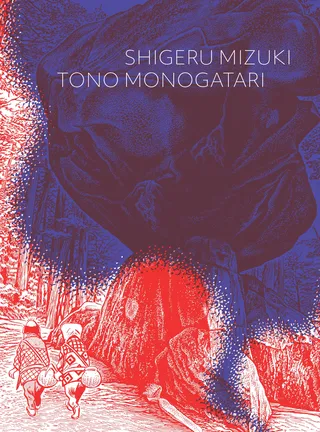



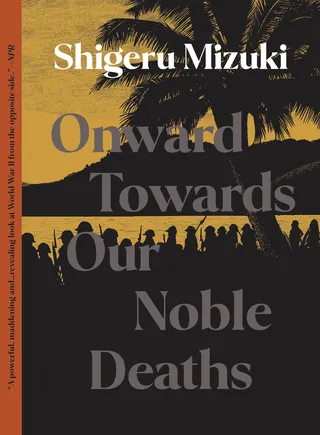
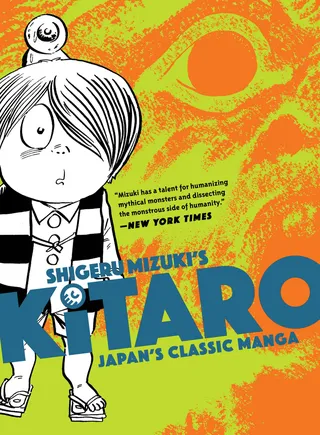

Zack Davisson
Translated by
Based in Seattle, Zack Davisson is an award-winning writer, translator, and lecturer on faculty at NYU. He has been featured by NPR, BBC, and The New York Times, and has won multiple Eisner Awards and the Bram Stoker Award.


Why Readwise Books?
Readwise Books is an ebook & audiobook platform that automatically logs how much you and your friends read, making it fun and easy to read more. Learn more →