The Ethics of Rhetoric
Report an issue
Tell us what's wrong and we'll take a look.
Thanks – we got it. We'll review and follow up if needed.
In The Ethics of Rhetoric, Richard M. Weaver evaluates the ethical and cultural role of rhetoric and its reflection on society. Weaver draws upon classical notions of rhetoric in Plato's Phaedrus, and he examines the effectiveness and implications of the manipulation of language in the works of Lincoln, Burke, and Milton. In this collection of essays, Weaver examines how different types of rhetoric persuade, their varying levels of effectiveness and credibility, and how one's manner of argumentation and style of persuasion are indicative of character. Ultimately, Weaver argues that the cultivation of pure language creates pure people. Initially published in 1953, The Ethics of Rhetoric remains timeless in its evaluation of rhetoric's role in society.
Richard M. Weaver (1910-1963) an esteemed scholar, humanist, cultural critic, and political philosopher, revolutionized conservativism of the mid-twentieth century. Weaver's original scholarship produced groundbreaking insight on human nature and society.
If you would like a more substantial Echo Point Hardcover edition of Ethics of Rhetoric for your library, please search ISBN 1626541183.
Richard M. Weaver
Richard M. Weaver taught for nearly two decades at the University of Chicago before his death in 1963. A student under both John Crowe Ransom and Cleanth Brooks, Weaver was a well-known adherent of the Southern Agrarian school of social criticism. His books and essays have established him as one of the most important and influential philosophers of the twentieth century.
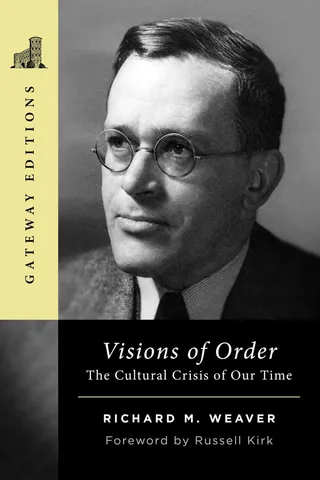
More by Richard M. Weaver


Why Readwise Books?
Readwise Books is an ebook & audiobook platform that automatically logs how much you and your friends read, making it fun and easy to read more. Learn more →