Report an issue
Tell us what's wrong and we'll take a look.
Thanks – we got it. We'll review and follow up if needed.
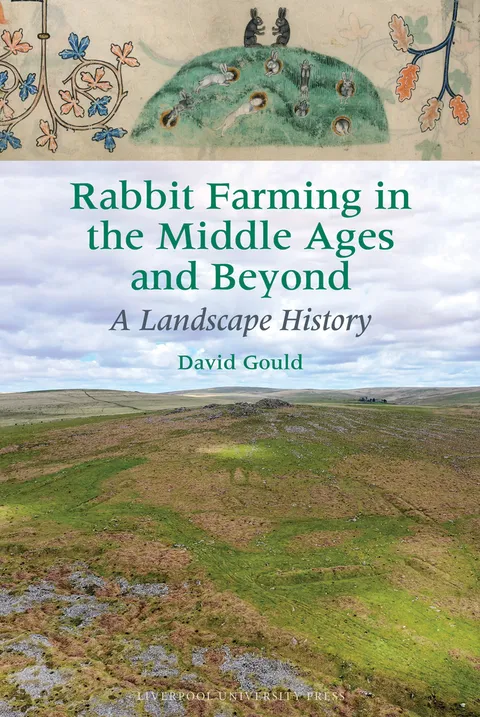
Since their introduction to the British Isles after the Norman Conquest, rabbits have successfully colonised the English landscape. Yet the species was not initially wild but was instead reared within manmade warrens for its meat and fur in a form of animal husbandry that was surprisingly widespread and long-lived.
Historical and archaeological approaches allow the spread of rabbits to be traced as more and more English locales hosted those warrens, the physical remains of which are still numerous across the country. This book provides a history and a comprehensive investigation of the types of structures associated with rabbit farming and details how warrens were managed, both on a day-to-day basis and in terms of how they were placed within the landscape.
In contrast to their eventual fate as food for the poor, rabbits were initially bred for the wealthy few and it follows that rabbits would have been viewed differently by past societies. Adopting a multi-disciplinary approach, this volume explores the species' historic status and discusses associations with conspicuous displays of wealth, Christian symbolism, and female sexuality. It also investigates the extent to which rabbits were simply viewed as destructive pests or as providing opportunities for poaching.
David Gould
David Gould has a PhD in archaeology and has held several post-doctoral positions. He has written numerous articles and book chapters on medieval and landscape archaeology and currently works as a freelance illustrator and researcher.
More by David Gould









Why Readwise Books?
Readwise Books is an ebook & audiobook platform that automatically logs how much you and your friends read, making it fun and easy to read more. Learn more →