Report an issue
Tell us what's wrong and we'll take a look.
Thanks – we got it. We'll review and follow up if needed.
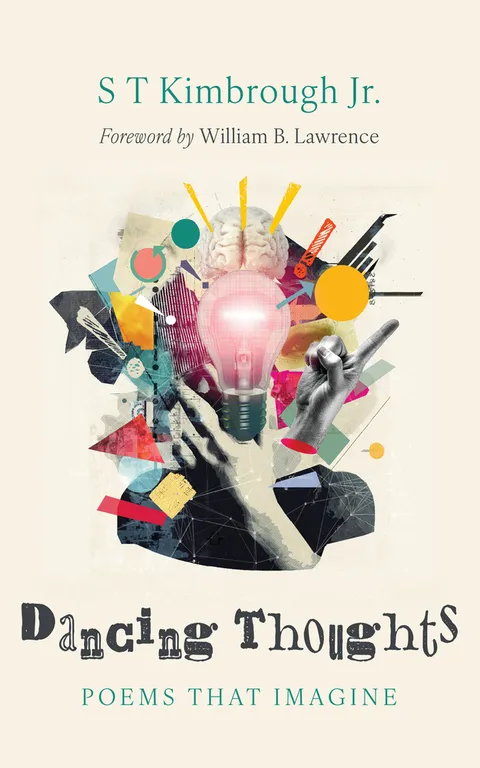
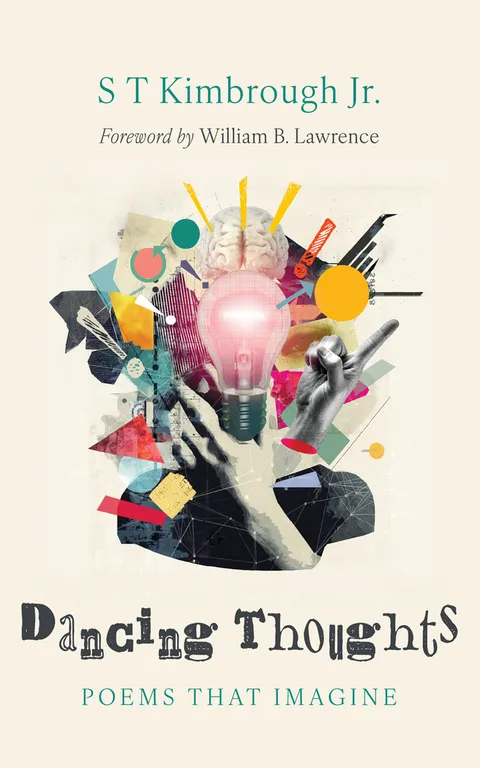
Humans depend on imagination for so much: mental images, concepts, ideas, things not present to the senses, images, sensations. Think of how often people use the words "just suppose." They may imagine things not present to their senses or things they have not experienced. Though people may not think of problem solving as involving imagination, how old, current, and new information is processed requires creativity. Furthermore, imagination is a key facilitator of social connections. Think of recalling certain memories and visualizing possibilities, and how thoughts of them dance or move. How does an inventor invent? How does a painter conceive ideas to paint? Though being unsure where modern AI is leading, people know that it involves imaginative interaction. The poems here are divided into four sections, though the categories are inadequate to grasp the broad spectrum of imagination. The mind may be viewed in large measure as the seat or origin of thoughts. Imagination is often shaped by or around specific concepts. What might transpire in many arenas of existence if people broaden their vision of themselves, others, and the world? They may grasp that their imaginary dancing thoughts are also related to sensory perception, even reality.
S T Kimbrough
Dr. Steven Kimbrough, Jr., is a Research Fellow of the Center for Studies in the Wesleyan Tradition of the Duke Divinity School. He is also a member of the Center of Theological Inquiry in Princeton, NJ, and an internationally known scholar and musician who has devoted years to the study of Charles Wesley's verse. He was a Consultant to the Hymnal Revision Committee of The United Methodist Church. 21 Susanna Drive, Durham, NC 27705
More by S T Kimbrough








Why Readwise Books?
Readwise Books is an ebook & audiobook platform that automatically logs how much you and your friends read, making it fun and easy to read more. Learn more →