Report an issue
Tell us what's wrong and we'll take a look.
Thanks – we got it. We'll review and follow up if needed.
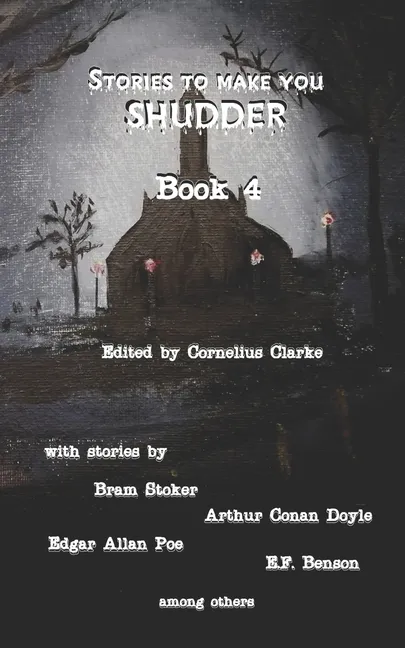
Book 4 in the series Stories to make you Shudder. There are Ghostly sisters, murderous cats, deadly premonitions and more. Settle down and relish in the wonderful macabre tales from a time when stories were told by candlelight and the flickering flames of the fireside.
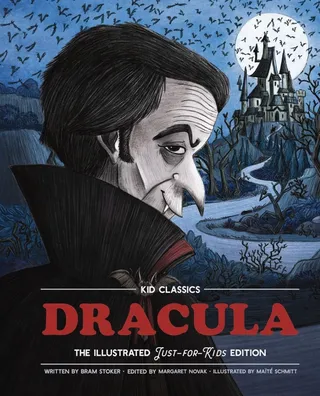
Bram Stoker
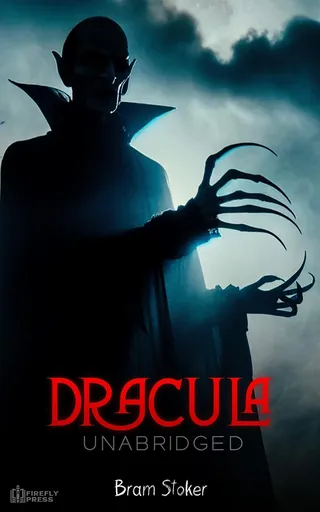
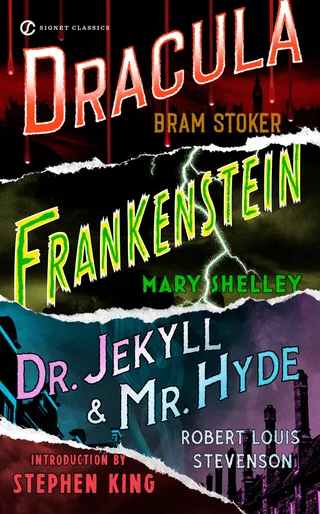
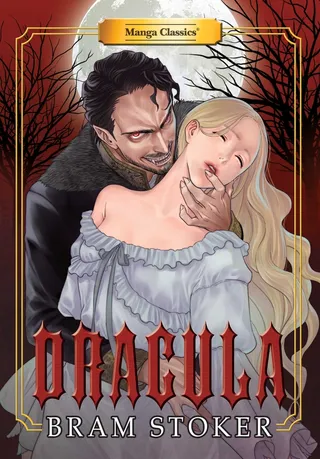
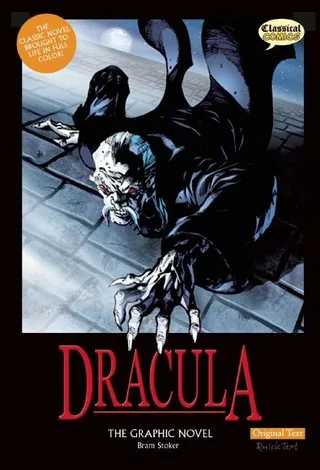
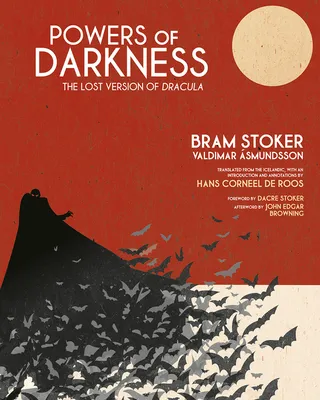
Bram Stoker (1847–1912) grew up in Ireland listening to his mother's tales of blood-drinking fairies and vampires rising from their graves. He later managed the Lyceum Theatre in London and worked as a civil servant, newspaper editor, reporter, and theater critic. Dracula, his best-known work, was published in 1897 and is hailed as one of the founding pieces of Gothic literature.
More by Bram Stoker
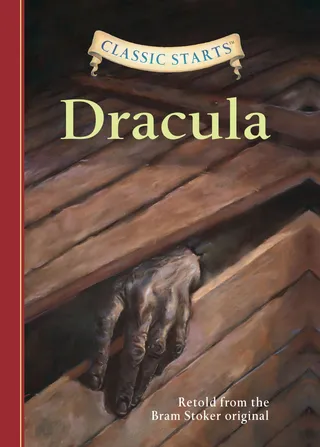
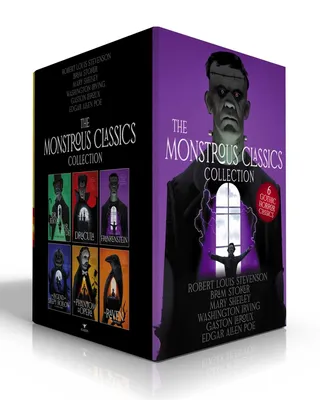
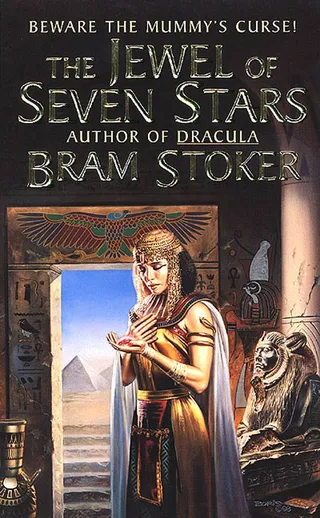
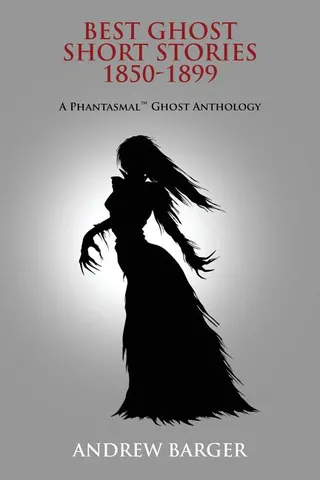
Arthur Conan Doyle
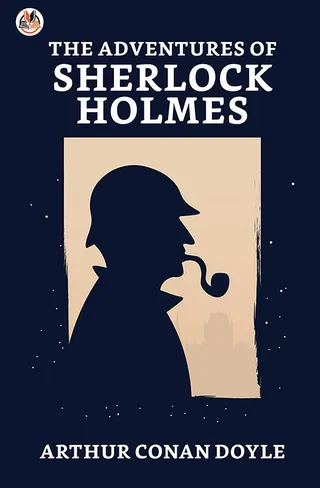
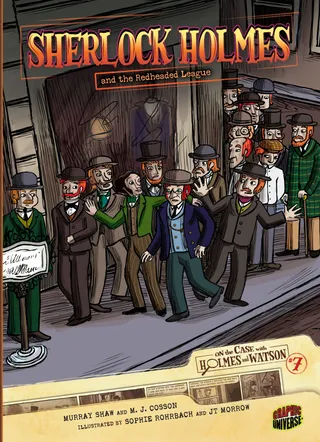
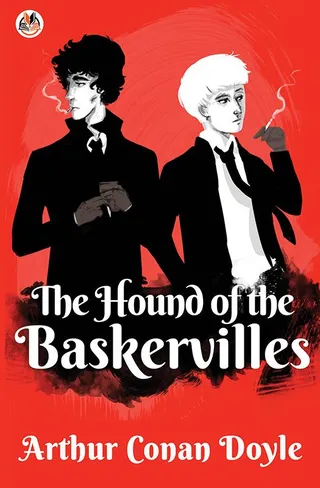
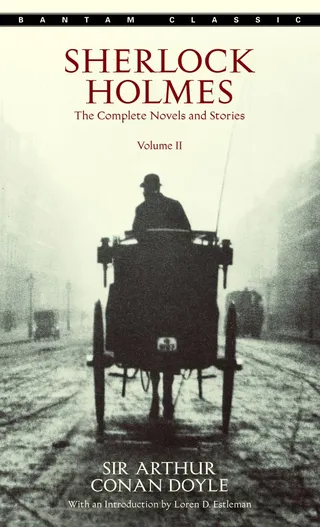
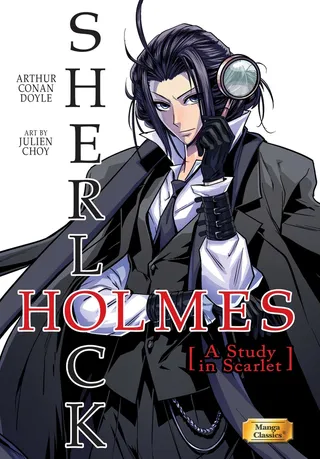
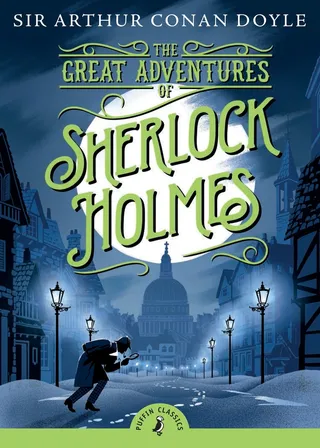
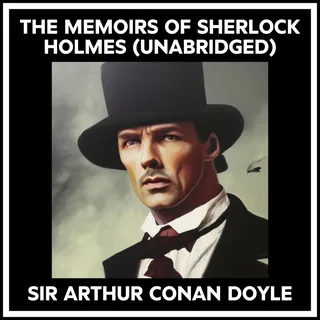
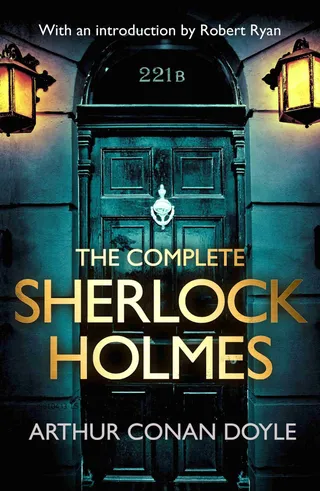
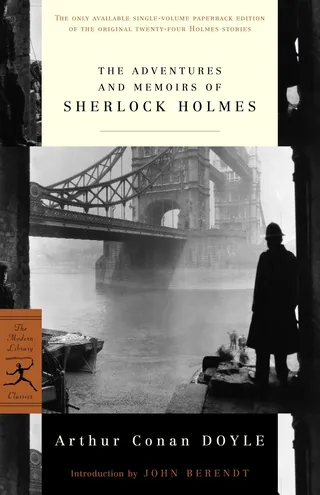
Arthur Conan Doyle was born in 1859. He trained to be a doctor at Edinburgh University and eventually set up a medical practice in Southsea. During the quiet periods between patients, he turned his hand to writing, producing historical novels such as Micah Clarke and adventure yarns including The Lost World, as well as four novels and fifty-six stories involving his most celebrated creations, Sherlock Holmes and Dr Watson. Doyle was knighted in 1902. In later life he devoted much of his time to his belief in Spiritualism, using his writing and celebrity as a means of providing funds to support activities in this field. He died in 1930.
More by Arthur Conan Doyle
Edgar Allan Poe
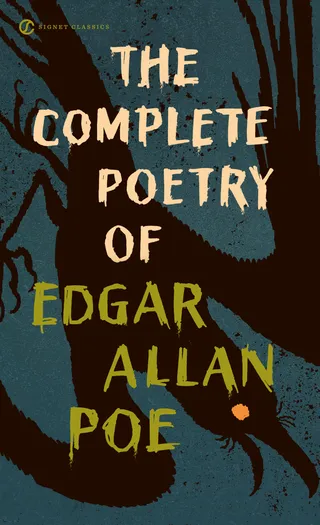
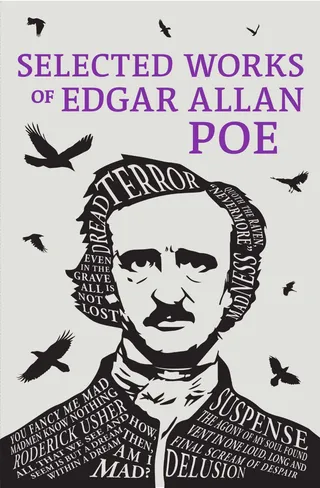
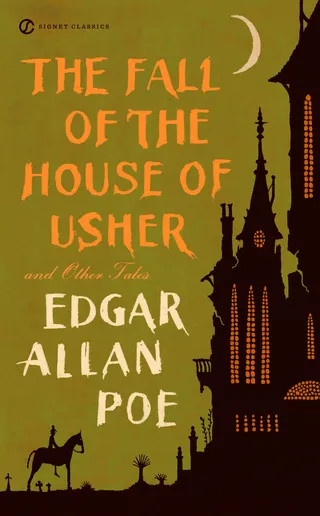
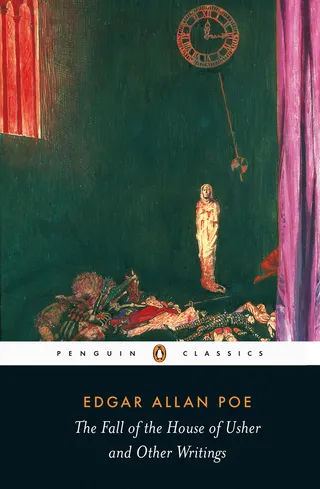
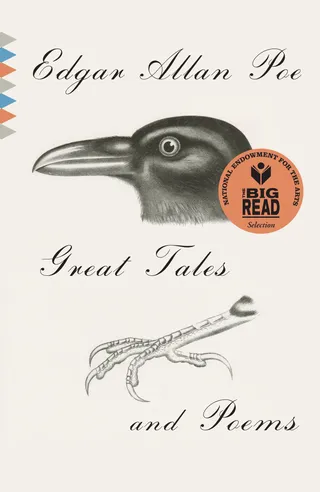
Edgar Allan Poe was born in Boston in 1809. His parents, both touring actors, died before he was three. He was raised by John Allan, a prosperous Virginian merchant. Poe published his first volume of poetry while still a teenager. He worked as an editor for magazines in Philadelphia, Richmond and New York, and achieved respect as a literary critic. It was only with the publication of The Raven and other Poems in 1845 that he achieved national fame as a writer. Poe died in mysterious circumstances in 1849.
More by Edgar Allan Poe


Why Readwise Books?
Readwise Books is an ebook & audiobook platform that automatically logs how much you and your friends read, making it fun and easy to read more. Learn more →