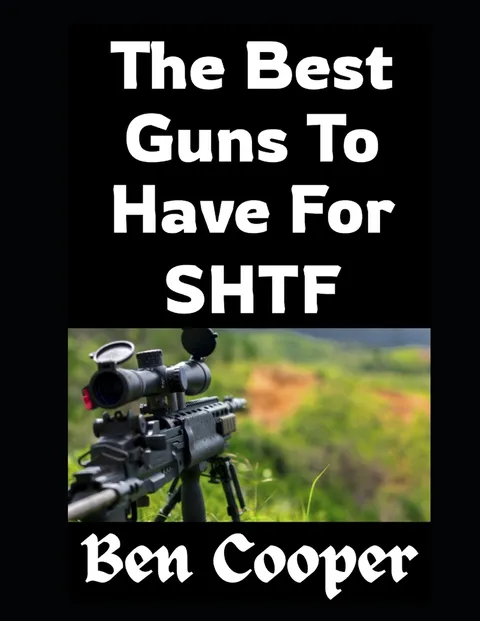
The Best Guns To Have For SHTF
Choosing Firearms That Will Keep You Alive When Everything Else Falls Apart
Report an issue
Tell us what's wrong and we'll take a look.
Thanks – we got it. We'll review and follow up if needed.
When people talk about survival, the conversation almost always drifts to gear lists, bug out bags, and where you might hole up if things really go wrong. Those things matter, no question about it, but in every major disaster where society breaks down there is always another reality you cannot ignore. Someone out there will want what you have. Firearms are not about playing action hero, they are about giving you the ability to protect yourself and your family when law and order takes a holiday.
Why Firearms Become Essential When the Grid Fails
When everything else stops working, people start thinking in terms of need rather than want. A well-stocked pantry, a generator, even a warm sleeping bag can start looking like a goldmine to someone desperate enough. Police response times will stretch from minutes to hours, then from hours to nothing at all. The question is not whether you will face a threat, it is whether you will be ready when that moment comes.
It Is Not About Fear, It Is About Responsibility
I have never carried a gun out of fear. I carry a gun because I believe I am responsible for my own safety and the safety of those who count on me. It is a mindset, not a fantasy. The truth is I hope I never have to use one in a real fight, but I also know that hoping is not a plan.
The good news is you do not have to be a professional shooter or a collector to get this right. You just have to be deliberate and realistic. By the time we finish this section, you will know exactly why firearms are a core part of any SHTF plan and how to build a plan that makes sense for your life, your skill level, and your budget.
Ben Cooper
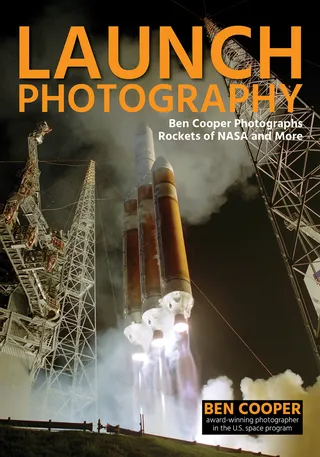
In 2003, looking to pursue a career in the space program, Ben Cooper attended Embry-Riddle Aeronautical University in Daytona Beach, FL, and earned a degree in aerospace engineering in 2008. During his time there, he photographed launches. By his graduation, he had a broad portfolio in photography and offers to apply for a NASA photographer position. He was privileged to photograph the remaining space shuttle launches and their mission preparations for NASA from 2008-2011, when the aging vehicles were retired. Much of this work was critical to the lives of the astronauts onboard, as NASA implemented broad documentation requirements for photography on the ground and in space during a mission following the Columbia accident in 2003. During the same period, new companies were being established and conducting their first launches in an era some have dubbed "New Space." Ben was quickly asked to capture the first flights of this new era.
More by Ben Cooper











Why Readwise Books?
Readwise Books is an ebook & audiobook platform that automatically logs how much you and your friends read, making it fun and easy to read more. Learn more →