
The Westminster Review, Volume 9
Report an issue
Tell us what's wrong and we'll take a look.
Thanks – we got it. We'll review and follow up if needed.
This is a reproduction of a book published before 1923. This book may have occasional imperfections such as missing or blurred pages, poor pictures, errant marks, etc. that were either part of the original artifact, or were introduced by the scanning process. We believe this work is culturally important, and despite the imperfections, have elected to bring it back into print as part of our continuing commitment to the preservation of printed works worldwide. We appreciate your understanding of the imperfections in the preservation process, and hope you enjoy this valuable book.
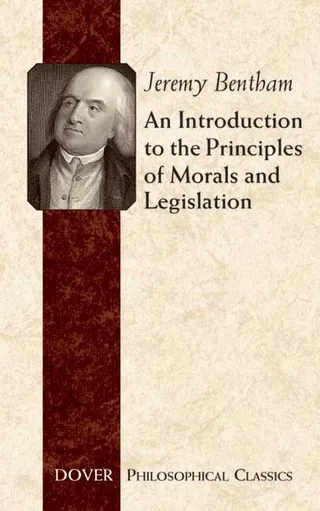
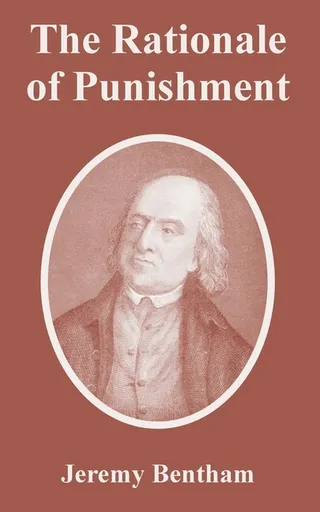
Jeremy Bentham
Jeremy Bentham (1748-1832) was the founder of the doctrine of utilitarianism, outlined in "An Introduction to the Principles of Morals and Legislation" (1789). His work on the Panopticon began in 1785. His concern with legal reform and codification continued throughout his life, and he was a campaigner for universal suffrage, the secret ballot and the abolition of capital and corporal punishment.
More by Jeremy Bentham



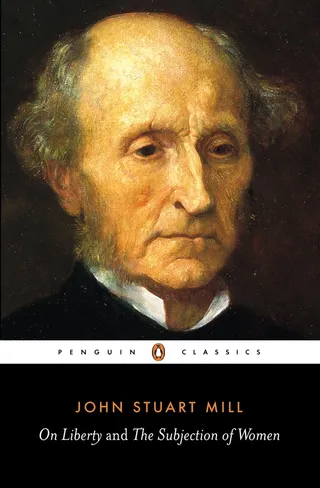
John Stuart Mill
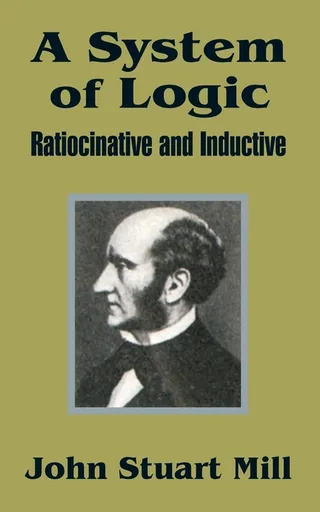
John Stuart Mill (1806-1873) was a British political philosopher who wrote on such subjects as logic, economics, ethics, metaphysics, religion, and current affairs. His best-known works include On Liberty, Utilitarianism, The Subjection of Women, A System of Logic, Principles of Political Economy, and his autobiography. He was born in London, the eldest son of the Scottish philosopher, historian, and economist James Mill and educated by his father with the assistance of utilitarian philosopher Jeremy Bentham. Mill's philosophy draws upon empiricism and utilitarianism while modifying these doctrines to incorporate a greater sense of humanity. A strong defender of freedom of thought and expression and an early supporter of the cause of women's rights, Mill remains a towering figure in the development of political liberalism.
More by John Stuart Mill












Why Readwise Books?
Readwise Books is an ebook & audiobook platform that automatically logs how much you and your friends read, making it fun and easy to read more. Learn more →