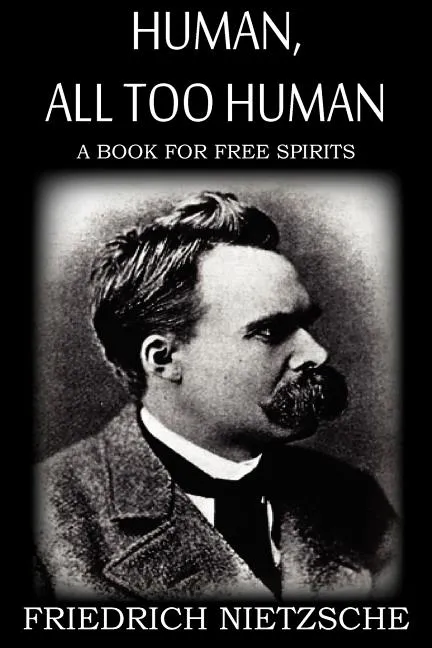
Human, All Too Human
Report an issue
Tell us what's wrong and we'll take a look.
Thanks – we got it. We'll review and follow up if needed.
Everything is merely-human-all too human? With this exclamation my writings are gone through, not without a certain dread and mistrust of ethic itself and not without a disposition to ask the exponent of evil things if those things be not simply misrepresented. My writings have been termed a school of distrust, still more of disdain: also, and more happily, of courage, audacity even. And in fact, I myself do not believe that anybody ever looked into the world with a distrust as deep as mine, seeming, as I do, not simply the timely advocate of the devil, but, to employ theological terms, an enemy and challenger of God; and whosoever has experienced any of the consequences of such deep distrust, anything of the chills and the agonies of isolation to which such an unqualified difference of standpoint condemns him endowed with it, will also understand how often I must have sought relief and self-forgetfulness from any source-through any object of veneration or enmity, of scientific seriousness or wanton lightness; The title of the book may be explained from a phrase in Thus Spake Zarathustra: "Verily, even the greatest I found-all-too-human." The keynote of these volumes is indeed disillusion and destruction. Nor is this to be wondered at, for all men must sweep away the rubbish before they can build. Hence we find here little of the constructive philosophy of Nietzsche-so far as he had a constructive philosophy. Friedrich Wilhelm Nietzsche was a 19th-century German philosopher, poet, composer and classical philologist. He wrote critical texts on religion, morality, contemporary culture, philosophy and science, displaying a fondness for metaphor, irony and aphorism.
Friedrich Nietzsche
Friedrich Nietzsche (1844-1900) was a German philosopher and philologist whose best-known works include Thus Spoke Zarathustra; Ecce Homo; Human, All Too Human; and Beyond Good and Evil. Much of his work is characterized by radical questioning of the value and objectivity of truth and criticism of traditional ideals of morality. Nietzsche's writings were significant influences on the existentialist, nihilist, and postmodernist schools of thought, as well as on the work of such later writers as Herman Hesse, Albert Camus, Sigmund Freud, and Jean-Paul Sartre.
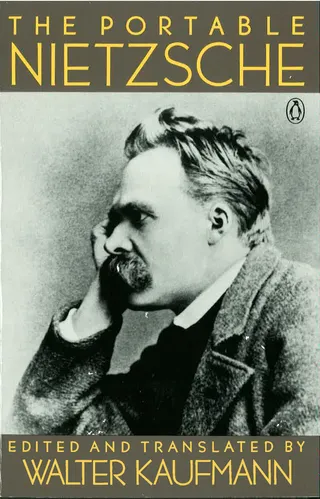
More by Friedrich Nietzsche




Why Readwise Books?
Readwise Books is an ebook & audiobook platform that automatically logs how much you and your friends read, making it fun and easy to read more. Learn more →