Report an issue
Tell us what's wrong and we'll take a look.
Thanks – we got it. We'll review and follow up if needed.
“Aleksandr Solzhenitsyn delineates his idyllic time in rural Vermont, where he had the freedom to work, spend time with his family, and wage a war of ideas against the Soviet Union and other detractors from afar. At his quiet retreat . . . the Nobel laureate found . . . ‘a happiness in free and uninterrupted work.’” —Kirkus Reviews
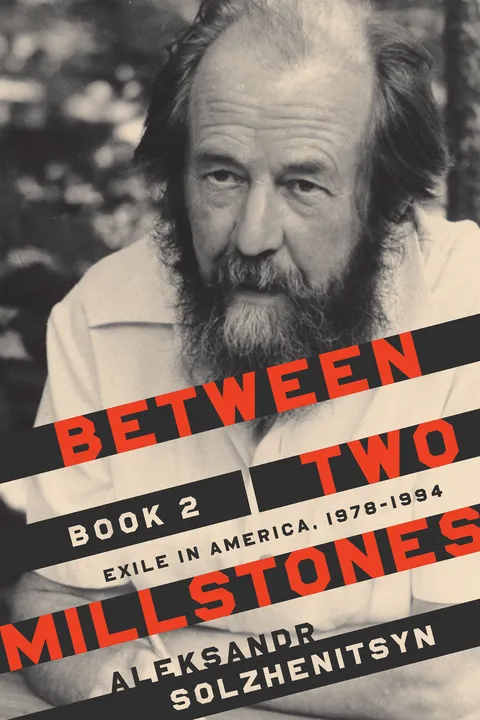
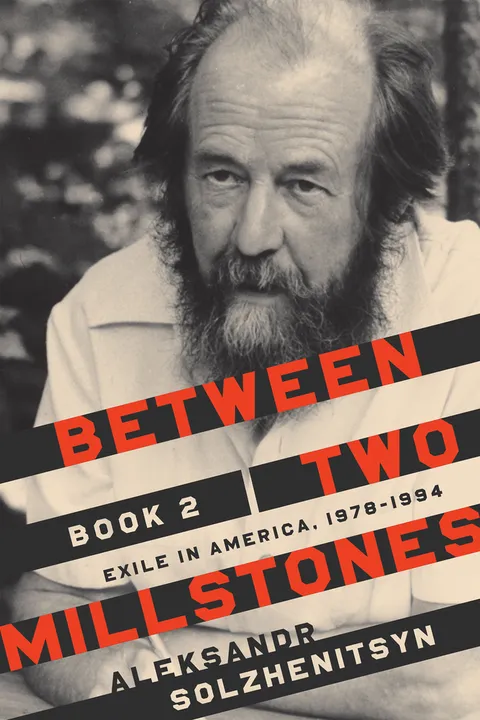
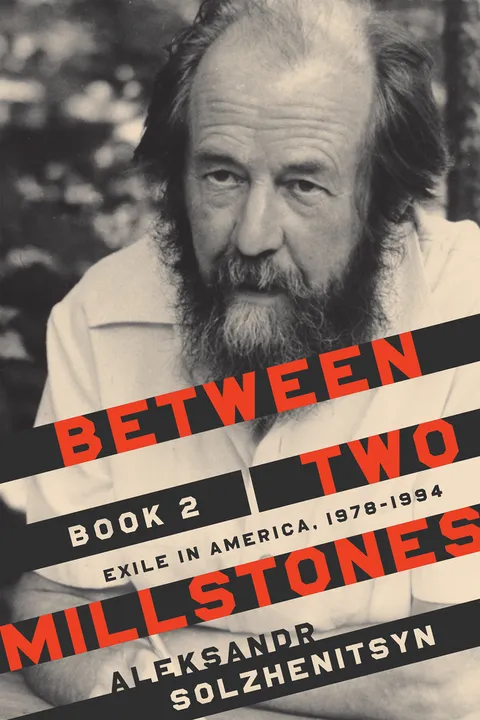
This compelling account concludes Nobel Prize–winner Aleksandr Solzhenitsyn’s literary memoirs of his years in the West after his forced exile from the USSR following the publication of The Gulag Archipelago. The book reflects both the pain of separation from his Russian homeland and the chasm of miscomprehension between him and Western opinion makers. In Between Two Millstones, Solzhenitsyn likens his position to that of a grain that becomes lodged between two massive stones, each grinding away—the Soviet Communist power with its propaganda machine on the one hand and the Western establishment with its mainstream media on the other.
Book 2 picks up the story of Solzhenitsyn’s remarkable life after the raucous publicity over his 1978 Harvard Address has died down. The author parries attacks from the Soviet state (and its many fellow-travelers in the Western press) as well as from recent émigrés who, according to Solzhenitsyn, defame Russian culture, history, and religion. He shares his unvarnished view of several infamous episodes, such as a sabotaged meeting with Ronald Reagan, aborted Senate hearings regarding Radio Liberty, and Gorbachev’s protracted refusal to allow The Gulag Archipelago to be published back home. There is also a captivating chapter detailing his trips to Japan, Taiwan, and Great Britain, including meetings with Margaret Thatcher and Prince Charles and Princess Diana. Meanwhile, the central themes of Book 1 course through this volume, too—the immense artistic quandary of fashioning The Red Wheel, staunch Western hostility to the historical and future Russia (and how much can, or should, the author do about it), and the challenges of raising his three sons in the language and spirit of Russia while cut off from the homeland in a remote corner of rural New England. The book concludes in 1994, as Solzhenitsyn bids farewell to the West in a valedictory series of speeches and meetings with world leaders, including John Paul II, and prepares at last to return home with his beloved wife Natalia, full of misgivings about what use he can be in the first chaotic years of post-Communist Russia, but never wavering in his conviction that, in the long run, his books would speak, influence, and convince. This vibrant, faithful, and long-awaited first English translation of Between Two Millstones, Book 2, will fascinate Solzhenitsyn's many admirers, as well as those interested in twentieth-century history, Russian history, and literature in general.
Aleksandr I. Solzhenitsyn
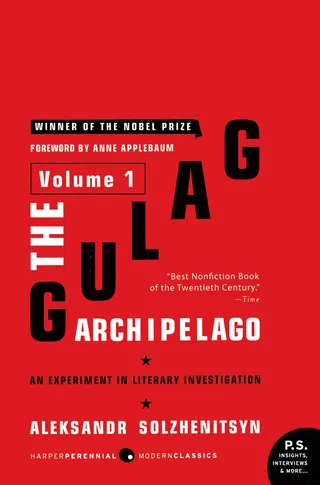
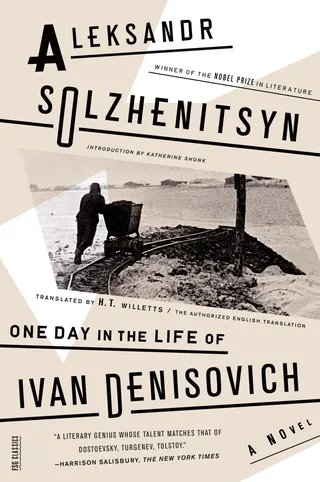
After serving as a decorated captain in the Red Army during World War II, Aleksandr I. Solzhenitsyn (1918–2008) was sentenced in 1945 to eight years of hard labor for criticizing Stalin and the Soviet government in private letters. He vaulted from unknown schoolteacher to internationally famous writer in 1962 with the publication of his long short story One Day in the Life of Ivan Denisovich, and was awarded the Nobel Prize in Literature for 1970. The writer's increasingly vocal opposition to the regime resulted in another arrest, a charge of treason, and expulsion from the USSR in 1974, just weeks after The Gulag Archipelago, his epic history of the Soviet penal system, first appeared in the West. For eighteen years, he and his family lived in Vermont, where he wrote The Red Wheel. In 1994 he returned home to Moscow, where he died in 2008.
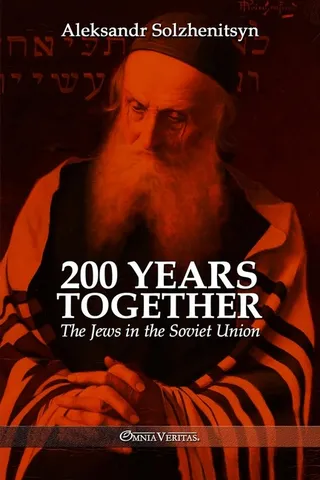
More by Aleksandr I. Solzhenitsyn






Clare Kitson
Translated by
Clare Kitson is a Russian literary translator. She is co-translator of Aleksandr Solzhenitsyn's memoir, Between Two Millstones, Book 2.
Melanie Moore
Translated by
After 25 years of teaching in inner-city schools, Melanie Moore founded the Book Bus, a mobile bookstore in Cincinnati. Moore uses 100 percent of the profits from the store--which is housed in a 1962 Volkswagen pickup truck--to buy new children's books for schools and organizations in low-income areas. Learn more at cincybookbus.com.


Why Readwise Books?
Readwise Books is an ebook & audiobook platform that automatically logs how much you and your friends read, making it fun and easy to read more. Learn more →