Report an issue
Tell us what's wrong and we'll take a look.
Thanks – we got it. We'll review and follow up if needed.
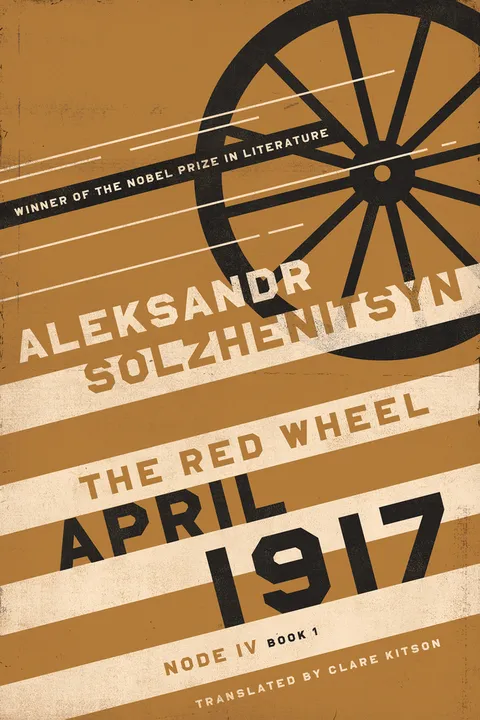
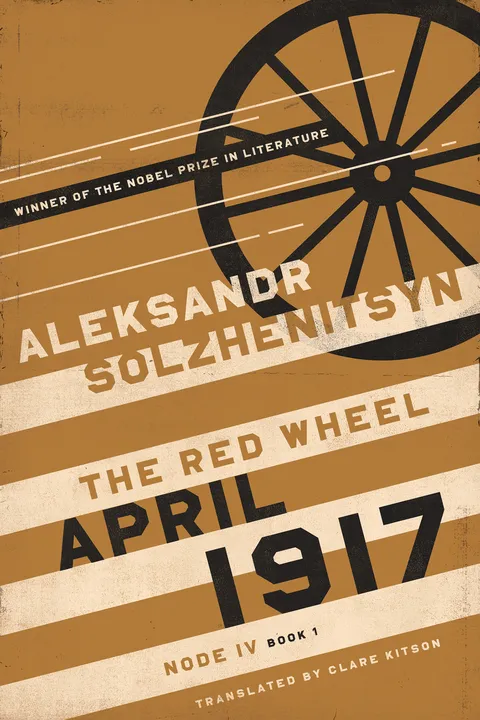
April 1917, Book 1, captures the division and helplessness of Russia’s first Revolutionary rulers, paving the way for the victory of the ruthless Bolsheviks later that year.
One of the masterpieces of world literature, The Red Wheel is Nobel prize–winner Aleksandr Solzhenitsyn’s multivolume epic work about the Russian Revolution told in the form of a historical novel. April 1917—the fourth node—shows the intractable divisions that would lead Russia to catastrophic Communist dictatorship and civil war. Whereas the first three nodes of The Red Wheel form its first act, “The Revolution,” April 1917 opens its second act, “The Rule of the People.”
The action of Book 1 (of two) is set during April 11–May 5, 1917. Book 1 presents an early showdown, just seven weeks into the revolution, between its various wings. The Provisional Government comes under fire for its “bourgeois” capitalism and continuing commitment to World War I. Bolshevik leader Vladimir Lenin returns from exile and delivers his April Theses in Petrograd, actively sowing seeds of division. He declares that the revolution is not complete and openly calls for civil war, outlining a radical plan to overthrow the Provisional Government and seize power for the Soviets. Amid the chaos and rising tide of Bolshevism, the elements of resistance, and decency, slowly begin to awaken.
Aleksandr I. Solzhenitsyn
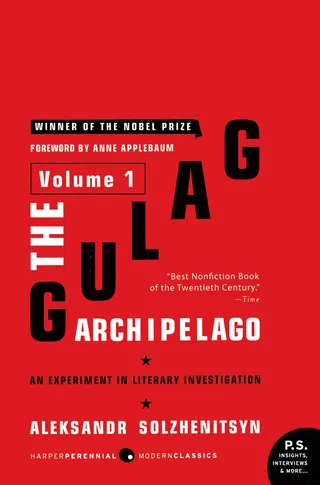
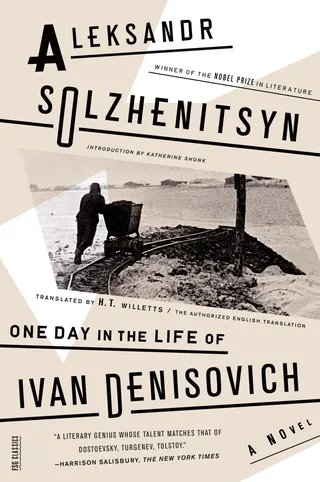
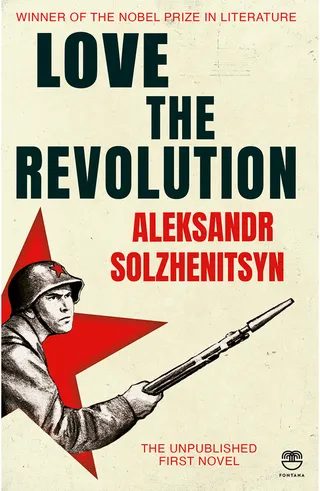
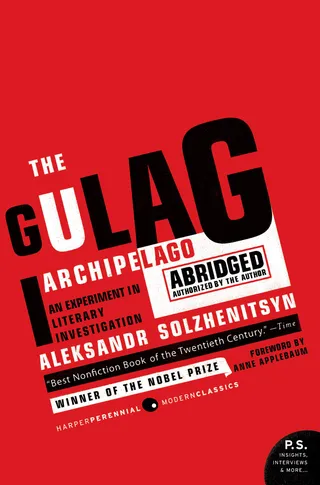
After serving as a decorated captain in the Red Army during World War II, Aleksandr I. Solzhenitsyn (1918–2008) was sentenced in 1945 to eight years of hard labor for criticizing Stalin and the Soviet government in private letters. He vaulted from unknown schoolteacher to internationally famous writer in 1962 with the publication of his long short story One Day in the Life of Ivan Denisovich, and was awarded the Nobel Prize in Literature for 1970. The writer's increasingly vocal opposition to the regime resulted in another arrest, a charge of treason, and expulsion from the USSR in 1974, just weeks after The Gulag Archipelago, his epic history of the Soviet penal system, first appeared in the West. For eighteen years, he and his family lived in Vermont, where he wrote The Red Wheel. In 1994 he returned home to Moscow, where he died in 2008.
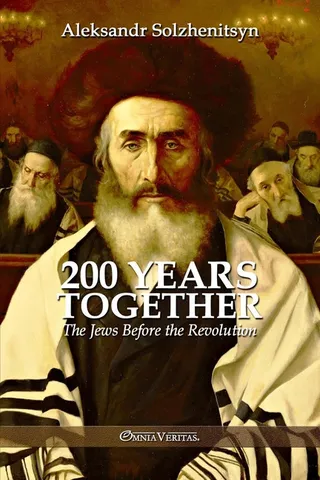
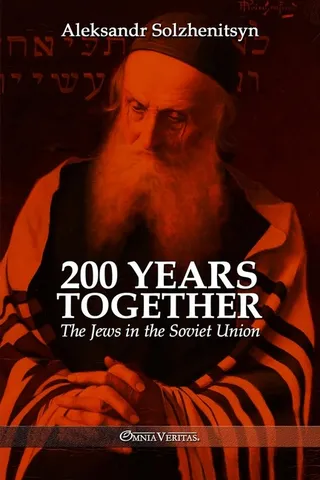
More by Aleksandr I. Solzhenitsyn

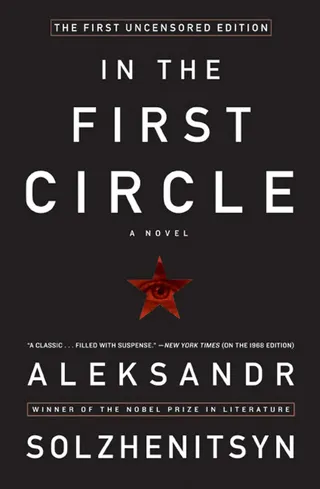
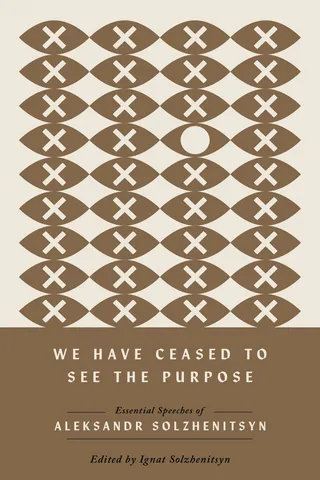
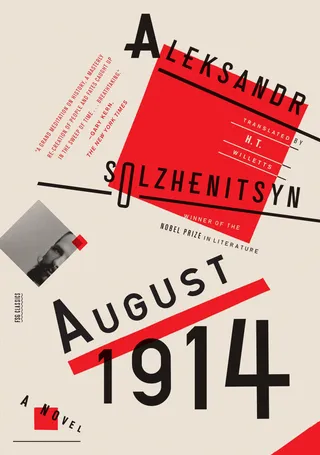
Clare Kitson
Translated by
Clare Kitson is a Russian literary translator. She is co-translator of Aleksandr Solzhenitsyn's memoir, Between Two Millstones, Book 2.


Why Readwise Books?
Readwise Books is an ebook & audiobook platform that automatically logs how much you and your friends read, making it fun and easy to read more. Learn more →