
The Frederick Douglass Papers
Series Two: Autobiographical Writings, Volume 1: Narrative
Report an issue
Tell us what's wrong and we'll take a look.
Thanks – we got it. We'll review and follow up if needed.
This authoritative edition of Douglass's first autobiography is comprehensively annotated and is accompanied by reproductions of historical documents relating to its publication and critical reception. The volume includes a series introduction, volume introduction, historical annotation, and appendixes.
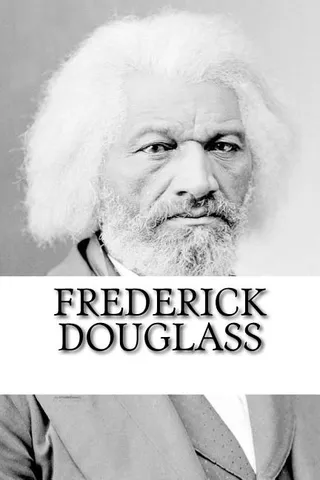
Frederick Douglass
Frederick Augustus Washington Bailey (Frederick Douglass) was born a slave in Talbot County, Maryland. He took the name Douglass after escaping from the South in 1838.
As a leader in the abolitionist movement, Douglass was famed for his eloquent yet incisive political writing. And, like his near-contemporary, Booker T. Washington, understood the central importance of education in improving the lives of African Americans, and was therefore an early proponent of desegregation.
A firm believer in equal rights for all, Douglass attended a meeting of the National Council of Women in Washington, D.C., in the hours before his death in February 1895.
More by Frederick Douglass





Why Readwise Books?
Readwise Books is an ebook & audiobook platform that automatically logs how much you and your friends read, making it fun and easy to read more. Learn more →