Report an issue
Tell us what's wrong and we'll take a look.
Thanks – we got it. We'll review and follow up if needed.
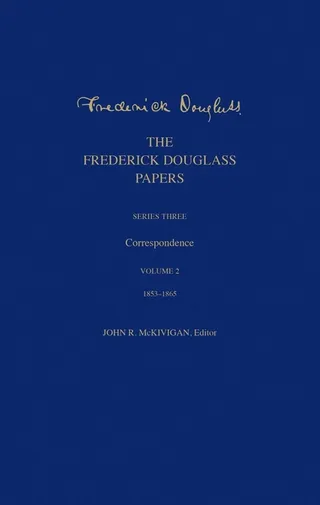
This third volume of Frederick Douglass's Correspondence Series exhibits Douglass at the peak of his political influence. It chronicles his struggle to persuade the nation to fulfill its promises to the former slaves and all African Americans in the tempestuous years of Reconstruction.
Douglass's career changed dramatically with the end of the Civil War and the long-sought after emancipation of American slaves; the subsequent transformation in his public activities is reflected in his surviving correspondence. In these letters, from 1866 to 1880, Douglass continued to correspond with leading names in antislavery and other reform movements on both sides of the Atlantic, and political figures began to make up an even larger share of his correspondents.
The Douglass Papers staff located 817 letters for this time period and selected 242, or just under 30 percent, of them for publication. The remaining 575 letters are summarized in the volume's calendar.
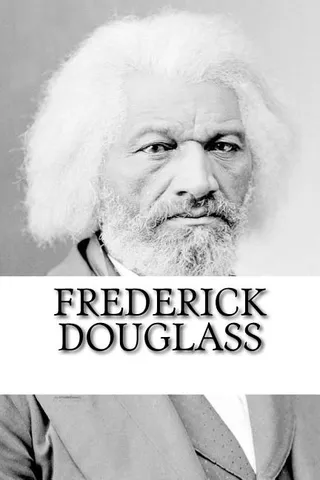
Frederick Douglass
Frederick Augustus Washington Bailey (Frederick Douglass) was born a slave in Talbot County, Maryland. He took the name Douglass after escaping from the South in 1838.
As a leader in the abolitionist movement, Douglass was famed for his eloquent yet incisive political writing. And, like his near-contemporary, Booker T. Washington, understood the central importance of education in improving the lives of African Americans, and was therefore an early proponent of desegregation.
A firm believer in equal rights for all, Douglass attended a meeting of the National Council of Women in Washington, D.C., in the hours before his death in February 1895.
More by Frederick Douglass






Why Readwise Books?
Readwise Books is an ebook & audiobook platform that automatically logs how much you and your friends read, making it fun and easy to read more. Learn more →