Report an issue
Tell us what's wrong and we'll take a look.
Thanks – we got it. We'll review and follow up if needed.
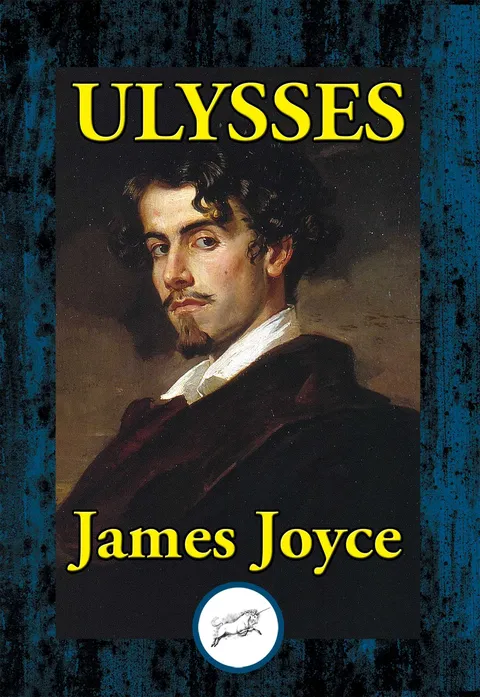
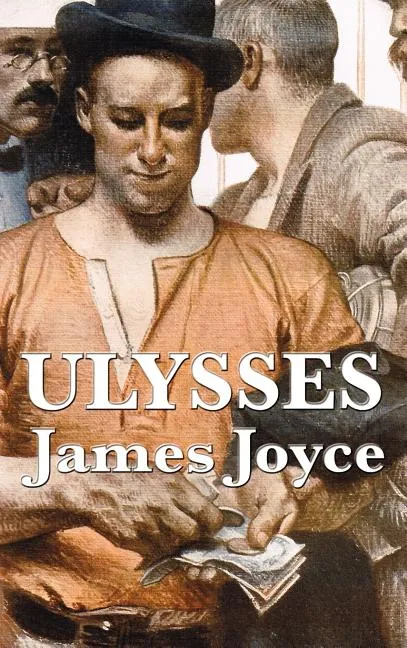
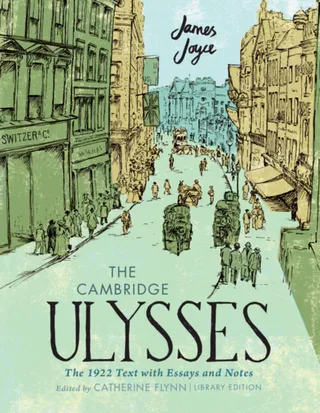
Ulysses is a groundbreaking novel in which Irish author James Joyce explores realism through stream-of-consciousness technique and shifting narrative styles. It was published in serial form between 1918-1920 and first published in book form in 1922. The story follows Leopold Bloom through Dublin during the course of one day: June 16, 1904. The events and characters of Ulysses parallel those of Homer's Odyssey, with Bloom corresponding to Odysseus. Although the book was the subject of early obscenity prosecutions, was banned in several countries, and has been considered unreadable by many, it is nevertheless one of the most important English-language works of the 20th century and is undoubtedly a masterpiece of Modernist literature. To this day, the 16th of June is celebrated as Bloomsday by Joyce enthusiasts.
James Joyce
James Joyce was born in Dublin in 1882. He came from a reasonably wealthy family which, predominantly because of the recklessness of Joyce's father John, was soon plunged into financial hardship. The young Joyce attended Clongowes College, Belvedere College and, eventually, University College, Dublin. In 1904 he met Nora Barnacle, and eloped with her to Croatia. From this point until the end of his life, Joyce lived as an exile, moving from Trieste to Rome, and then to Zurich and Paris. His major works are Dubliners (1914), A Portrait of the Artist as a Young Man (1916), Ulysses (1922) and Finnegan's Wake (1939). He died in 1941, by which time he had come to be regarded as one of the greatest novelists the world ever produced.
More by James Joyce



Why Readwise Books?
Readwise Books is an ebook & audiobook platform that automatically logs how much you and your friends read, making it fun and easy to read more. Learn more →