Ulysses
Report an issue
Tell us what's wrong and we'll take a look.
Thanks – we got it. We'll review and follow up if needed.
'Ulysses' takes place in a single day, 16 June 1904, also known as Bloomsday, it sets the characters and incidents of the Odyssey of Homer in modern Dublin and represents Odysseus (Ulysses), Penelope and Telemachus in the characters of Leopold Bloom, his wife Molly Bloom and Stephen Dedalus, and contrasts them with their lofty models. The book explores various areas of Dublin life, dwelling on its squalor and monotony. Nevertheless, the book is also an affectionately detailed study of the city. In Ulysses, Joyce employs stream of consciousness, parody, jokes, and virtually every other literary technique to present his characters. Many consider it the best novel of the twentieth century. It is powerfully written, a book for the ages.
James Joyce
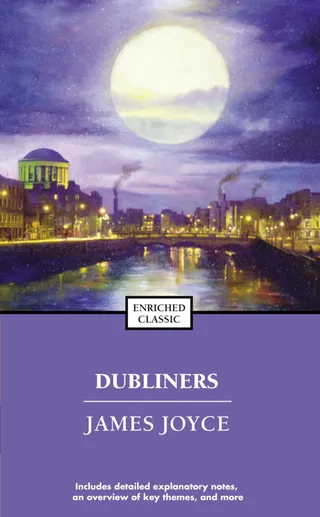
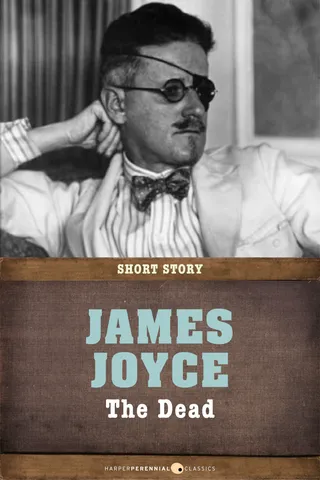
James Joyce (1882–1941) is best known for his experimental use of language and his exploration of new literary methods. His subtle yet frank portrayal of human nature, coupled with his mastery of language, made him one of the most influential novelists of the 20th century. Joyce’s use of “stream-of-consciousness” reveals the flow of impressions, half thoughts, associations, hesitations, impulses, as well as the rational thoughts of his characters. The main strength of his masterpiece novel, Ulysses (1922) lies in the depth of character portrayed using this technique. Joyce’s other major works include Dubliners, a collection of short stories that portray his native city, a semi-autobiographical novel called A Portrait of the Artist As a Young Man (1916), and Finnegan’s Wake (1939).
More by James Joyce



Why Readwise Books?
Readwise Books is an ebook & audiobook platform that automatically logs how much you and your friends read, making it fun and easy to read more. Learn more →