Report an issue
Tell us what's wrong and we'll take a look.
Thanks – we got it. We'll review and follow up if needed.
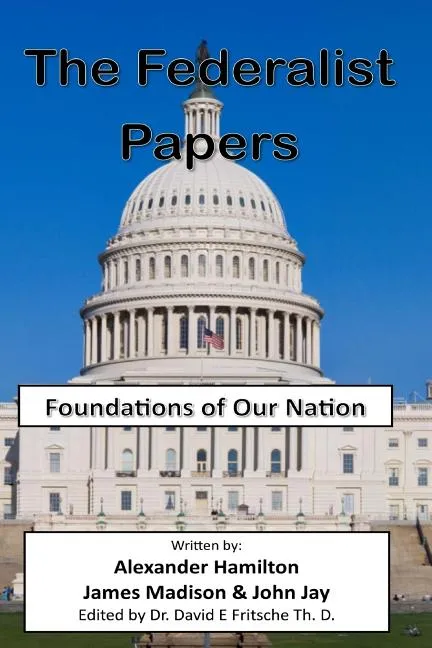
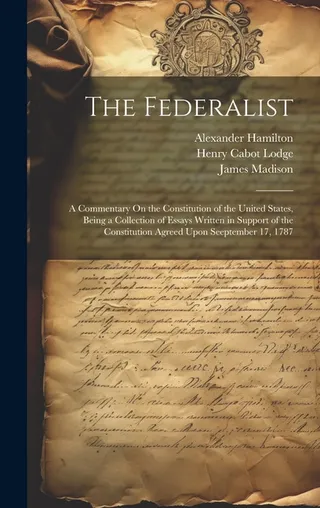
Leaders of our nation gather from all of the states to work on the formations of our nation. They are learned men and students of history and philosophy. While Europe just evolved through history, becoming the end result of various forces, wars and conflict, The United States had an opportunity to consider all of the lessons of history and to decide what we wanted to be, what we should be and what we might become. This was a rare occurrence in which our becoming was not by chance or by reaction or by the right of kings. Ours was born of understanding, planning and the wisdom of philosophers. They labored hard to understand political principles and the nature of power. They reacted to the history they had experienced and studied. They were committed to invert the flow of power from government to the people, and place the power base with the people. It has worked well for over 200 years and holds promise of working for more, if we do not lose the principles on which we were founded.
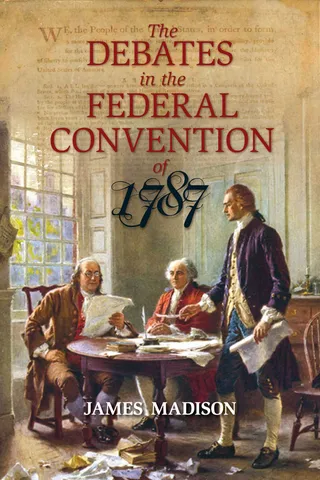
James Madison
James Madison (1751–1836) was the fourth US President and is hailed as the "Father of the Constitution" for his pivotal role in drafting and promoting the supreme law of the United States, including the Bill of Rights. As Thomas Jefferson's Secretary of State, he supervised the Louisiana Purchase, which doubled the nation's size. Madison succeeded Jefferson as President in 1809, was re-elected in 1813, and presided over renewed prosperity for several years.
More by James Madison






John Jay
John Jay (1745–1829) was the first Chief Justice of the United States. During and after the American Revolution, he was the US ambassador to Spain, a negotiator of the Treaty of Paris by which Great Britain recognized American independence, and the Secretary of Foreign Affairs. His major diplomatic achievement was the 1794 Treaty of London, in which favorable trade terms with Great Britain were negotiated. As a leader of the Federalist Party, Jay became governor of New York state, where he was the leading opponent of slavery. By signing the 1799 "Act for the Gradual Abolition of Slavery" into law, he granted all slaves in New York freedom by the year 1827.
More by John Jay







Why Readwise Books?
Readwise Books is an ebook & audiobook platform that automatically logs how much you and your friends read, making it fun and easy to read more. Learn more →