
Report an issue
Tell us what's wrong and we'll take a look.
Thanks – we got it. We'll review and follow up if needed.
Chatham House covers the first 100 years of the Institute's history in three sections: between the two World Wars; the period from 1945 until the end of the Cold War; and the time from the fall of the Berlin Wall up to 2020. Using the Institute's archives as well as public documents, secondary works, and interviews where possible, the contributors have explored the main themes of Chatham House's work over the last century: empire, economic crisis and appeasement between the wars, post-war reconstruction, decolonisation, Europe and strategy after 1945, climate, identity politics, and the foreign policies of the UK and USA after 1989. The internal life of Chatham House, especially in terms of its directors and other key personalities, has also been given full attention.
Michael Cox
The 2010 recipient of the A.C. Greene Award for lifetime achievement, Mike Cox is the author of twenty-one nonfiction books. An award-winning former journalist and longtime freelance writer, he lives in Fredericksburg, Texas, and is a spokesperson for the Texas Parks and Wildlife Department.
More by Michael Cox



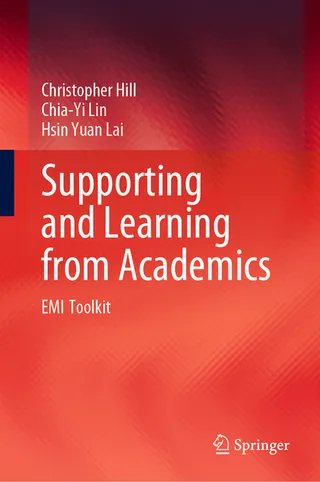
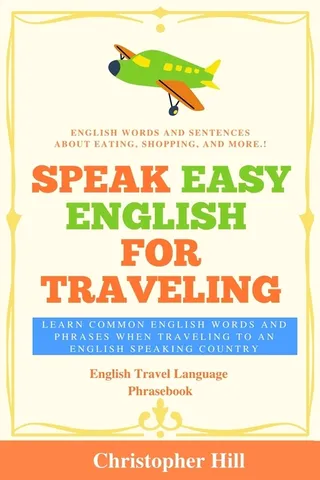
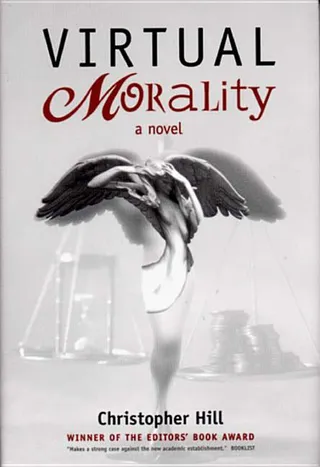
Christopher Hill
Christopher Hill (1912-2003), born in York, was a historian and academic specializing in seventeenth-century English history. As a young man he witnessed the growth of the Nazi party firsthand during a prolonged holiday in Germany, an experience he later said contributed to the radicalization of his politics. He was master of Balliol College, University of Oxford, his alma mater, from 1965 to 1978. His celebrated and influential works include Intellectual Origins of the English Revolution; The World Turned Upside Down; and A Turbulent, Seditious and Fractious People: John Bunyan and His Church.
More by Christopher Hill













Why Readwise Books?
Readwise Books is an ebook & audiobook platform that automatically logs how much you and your friends read, making it fun and easy to read more. Learn more →