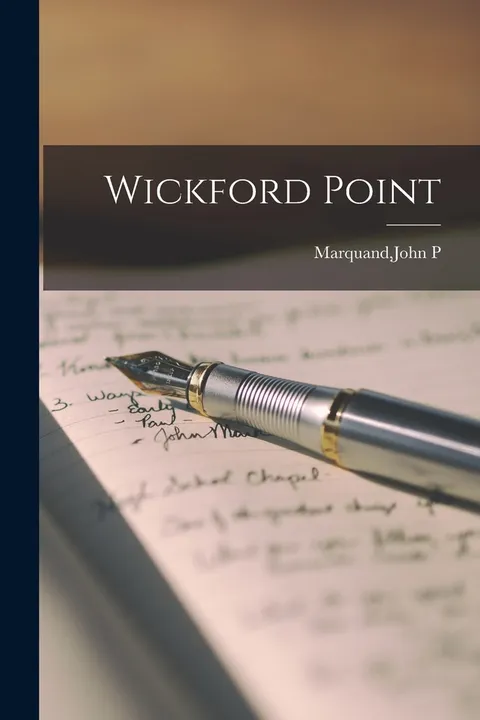
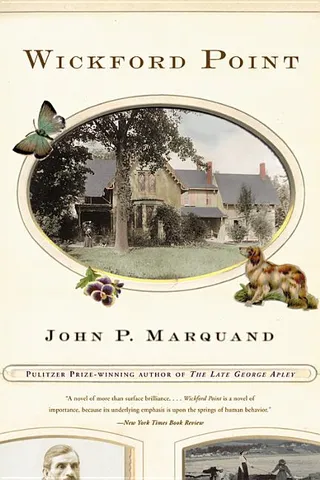
Wickford Point
Report an issue
Tell us what's wrong and we'll take a look.
Thanks – we got it. We'll review and follow up if needed.
This work has been selected by scholars as being culturally important, and is part of the knowledge base of civilization as we know it.
This work is in the "public domain in the United States of America, and possibly other nations. Within the United States, you may freely copy and distribute this work, as no entity (individual or corporate) has a copyright on the body of the work.
Scholars believe, and we concur, that this work is important enough to be preserved, reproduced, and made generally available to the public. We appreciate your support of the preservation process, and thank you for being an important part of keeping this knowledge alive and relevant.
John P. Marquand
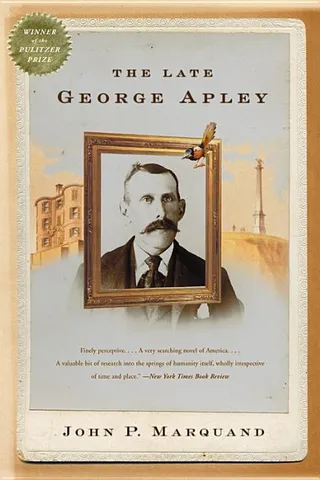
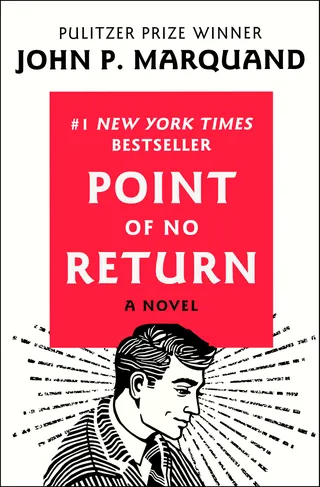
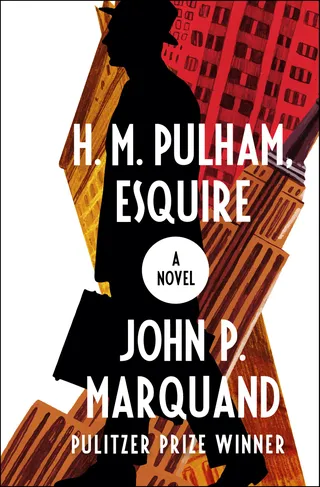
John P. Marquand (1893–1960) was a Pulitzer Prize–winning author, proclaimed “the most successful novelist in the United States” by Life magazine in 1944. A descendant of governors of the Massachusetts Bay Colony, shipping magnates Daniel Marquand and Samuel Curzon, and famed nineteenth-century writer Margaret Fuller, Marquand always had one foot inside the blue-blooded New England establishment, the focus of his social satire. But he grew up on the outside, sent to live with maiden aunts in Newburyport, Massachusetts, the setting of many of his novels, after his father lost the once-considerable family fortune in the crash of 1907. From this dual perspective, Marquand crafted stories and novels that were applauded for their keen observation of cultural detail and social mores. By the 1930s, Marquand was a regular contributor to the Saturday Evening Post, where he debuted the character of Mr. Moto, a Japanese secret agent. No Hero, the first in a series of bestselling spy novels featuring Mr. Moto, was published in 1935. Three years later, Marquand won the Pulitzer Prize for Fiction for The Late George Apley, a subtle lampoon of Boston’s upper classes. The novels that followed, including H.M. Pulham, Esquire (1941), So Little Time (1943), B.F.’s Daughter (1946), Point of No Return (1949), Melvin Goodwin, USA (1952), Sincerely, Willis Wayde (1955), and Women and Thomas Harrow (1959), cemented his reputation as the preeminent chronicler of contemporary New England society and one of America’s finest writers.
More by John P. Marquand









Why Readwise Books?
Readwise Books is an ebook & audiobook platform that automatically logs how much you and your friends read, making it fun and easy to read more. Learn more →