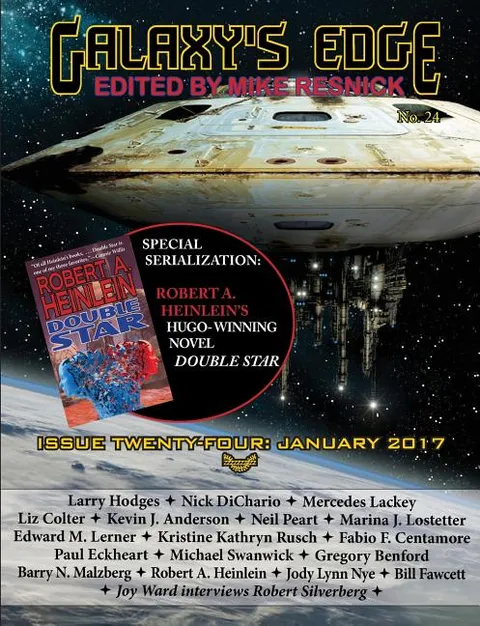
Galaxy's Edge Magazine
Issue 24, January 2017 (Serialization Special: Heinlein's Hugo-winning Double Star)
Report an issue
Tell us what's wrong and we'll take a look.
Thanks – we got it. We'll review and follow up if needed.
A Magazine of Science Fiction and Fantasy
ISSUE 24: January 2017
Mike Resnick, Editor
Taylor Morris, Copyeditor
Shahid Mahmud, Publisher
Stories by: Larry Hodges, Nick DiChario, Mercedes Lackey, Liz Colter, Kevin J. Anderson & Neil Peart, Marina J. Lostetter, Edward M. Lerner, Kristine Kathryn Rusch, Fabio F. Centamore, Paul Eckheart, Michael Swanwick
Serialization: Double Star by Robert A. Heinlein
Columns by: Barry Malzberg, Gregory Benford
Recommended Books: Jody Lynn Nye and Bill Fawcett
Interview: Joy Ward interviews Robert Silverberg
Galaxy's Edge is a Hugo-nominated bi-monthly magazine published by Phoenix Pick, the science fiction and fantasy imprint of Arc Manor, an award winning independent press based in Maryland. Each issue of the magazine has a mix of new and old stories, a serialization of a novel, columns by Barry Malzberg and Gregory Benford, book recommendations by Jody Lynn Nye and Bill Fawcett and an interview conducted by Joy Ward.
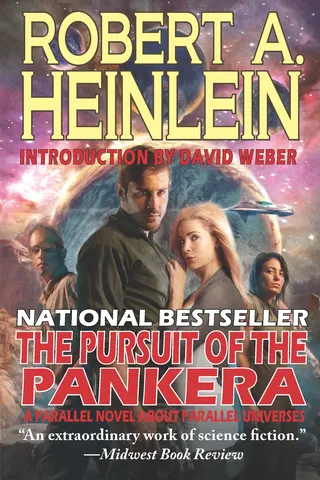
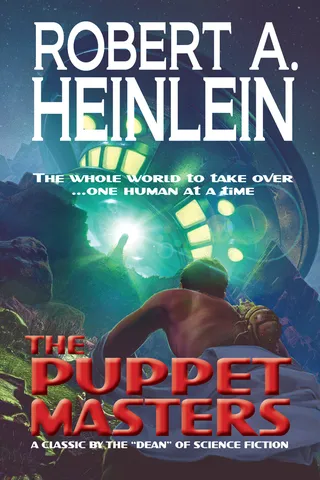
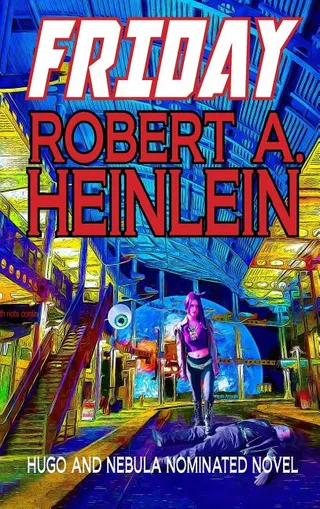
Robert A Heinlein
Robert Anson Heinlein (July 7, 1907 - May 8, 1988) was an American science-fiction author, aeronautical engineer, and retired Naval officer. Sometimes called the "Dean of Science Fiction Writers," he was among the first to emphasize scientific accuracy in his fiction and was thus a pioneer of the subgenre of hard science fiction. His published works, both fiction and non-fiction, express admiration for competence and emphasize the value of critical thinking. His work continues to influence the science-fiction genre and modern culture.
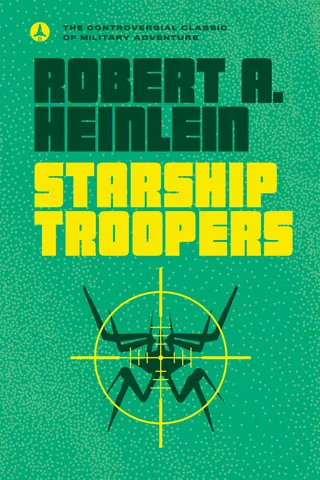
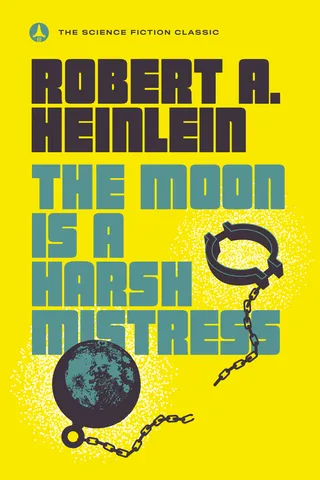
Heinlein became one of the first American science-fiction writers to break into mainstream magazines such as The Saturday Evening Post in the late 1940s. He was one of the best-selling science-fiction novelists for many decades, and he, Isaac Asimov, and Arthur C. Clarke are often considered the "Big Three" of English-language science fiction authors. Notable Heinlein works include Stranger in a Strange Land, Starship Troopers (which helped mold the space marine and mecha archetypes) and The Moon Is a Harsh Mistress. His work sometimes had controversial aspects, such as plural marriage in The Moon is a Harsh Mistress, militarism in Starship Troopers and technologically competent women characters that were strong and independent, yet often stereotypically feminine - such as Friday. Heinlein used his science fiction to explore provocative social and political ideas, and to speculate how progress in science and engineering might shape the future of politics, race, religion, and sex. Within the framework of his science-fiction stories, Heinlein repeatedly addressed certain social themes, such as the importance of individual liberty and self-reliance, the nature of sexual relationships, the obligation individuals owe to their societies, the influence of organized religion on culture and government, and the tendency of society to repress nonconformist thought. He also speculated on the influence of space travel on human cultural practices. Heinlein was named the first Science Fiction Writers Grand Master in 1974. Four of his novels won Hugo Awards. In addition, fifty years after publication, seven of his works were awarded "Retro Hugos"--awards given retrospectively for works that were published before the Hugo Awards came into existence. In his fiction, Heinlein coined terms that have become part of the English language, including "grok," "waldo," and "speculative fiction," as well as popularizing existing terms like "TANSTAAFL," "pay it forward," and "space marine." He also anticipated mechanical computer-aided design with Drafting Dan and described a modern version of a waterbed in his novel Beyond This Horizon, though he never patented nor built one. In the first chapter of the novel Space Cadet he anticipated the cellphone, 35 years before Motorola invented the technology. Several of Heinlein's works have been adapted for film and television.More by Robert A Heinlein






Michael Swanwick
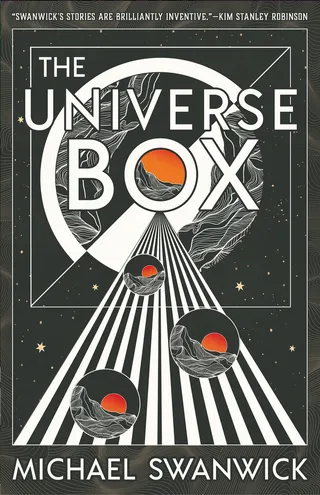
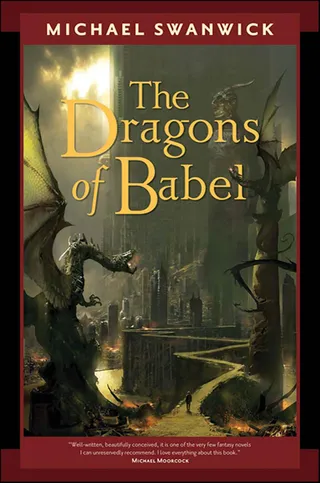
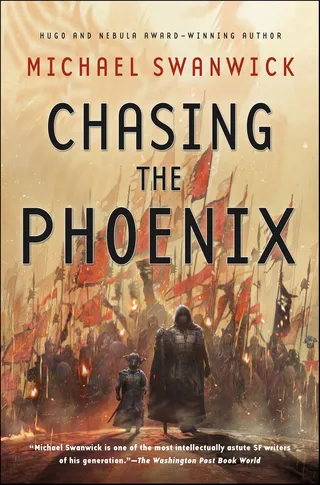
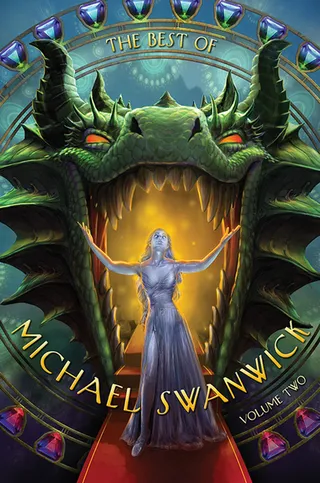
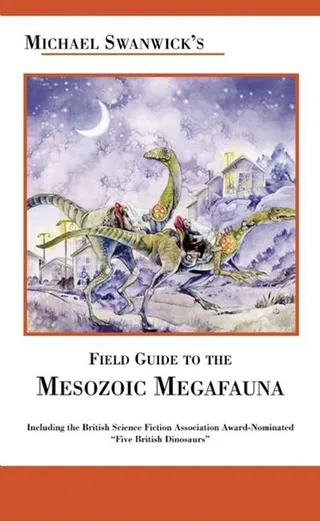
Michael Swanwick has received the Hugo, Nebula, World Fantasy, and Theodore Sturgeon awards for his work. His short fiction has appeared in Omni, Penthouse, Asimov’s, High Times, and numerous other publications, and many pieces have been reprinted in best-of-the-year anthologies. He has written nine novels, among them In the Drift, Stations of the Tide, the New York Times Notable Book The Iron Dragon’s Daughter, Jack Faust, and, most recently, Chasing the Phoenix. Swanwick lives in Philadelphia with his wife, Marianne Porter, and their son, Sean.
More by Michael Swanwick


Why Readwise Books?
Readwise Books is an ebook & audiobook platform that automatically logs how much you and your friends read, making it fun and easy to read more. Learn more →