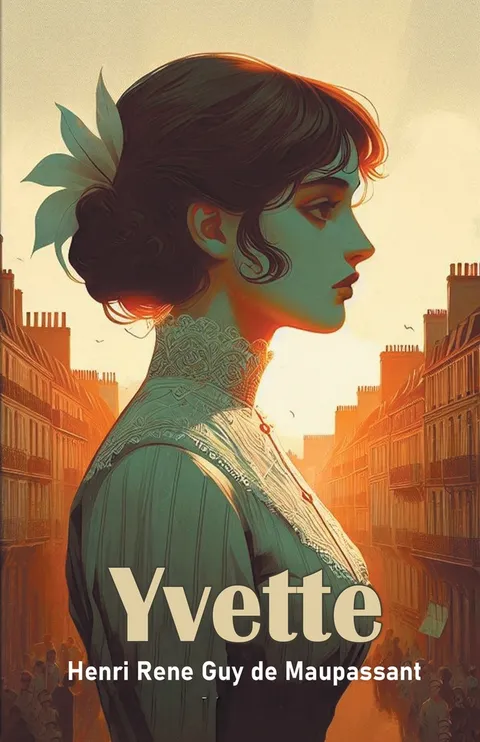
Yvette
Report an issue
Tell us what's wrong and we'll take a look.
Thanks – we got it. We'll review and follow up if needed.
Yvette delves into the complexities of self-worth and identity, particularly in relation to the choices one is forced to make based on their circumstances. It explores the tension between societal expectations and personal values, as the protagonist grapples with the realization of her mother's occupation. This internal conflict brings about a desire for escape, ultimately leading to a profound crisis of purpose and a contemplation of self-destruction. The protagonist's struggle to break free from a life she feels trapped in reflects the human desire for autonomy and dignity, while also confronting the stark reality of dependence on a luxurious lifestyle. Themes of self-doubt and the search for a more authentic existence unfold as the character seeks to redefine herself, moving from thoughts of death to a psychological awakening. The accidental discovery of mind-altering experiences serves as a turning point, symbolizing a shift from despair to a form of liberation, though it raises questions about the true nature of freedom and the mind's power to shape reality.
Guy De Maupassant
Guy de Maupassant was a French writer and poet considered to be one of the pioneers of the modern short story whose best-known works include "Boule de Suif," "Mother Sauvage," and "The Necklace." De Maupassant was heavily influenced by his mother, a divorcée who raised her sons on her own, and whose own love of the written word inspired his passion for writing. While studying poetry in Rouen, de Maupassant made the acquaintance of Gustave Flaubert, who became a supporter and life-long influence for the author. De Maupassant died in 1893 after being committed to an asylum in Paris.
More by Guy De Maupassant




Why Readwise Books?
Readwise Books is an ebook & audiobook platform that automatically logs how much you and your friends read, making it fun and easy to read more. Learn more →