Report an issue
Tell us what's wrong and we'll take a look.
Thanks – we got it. We'll review and follow up if needed.
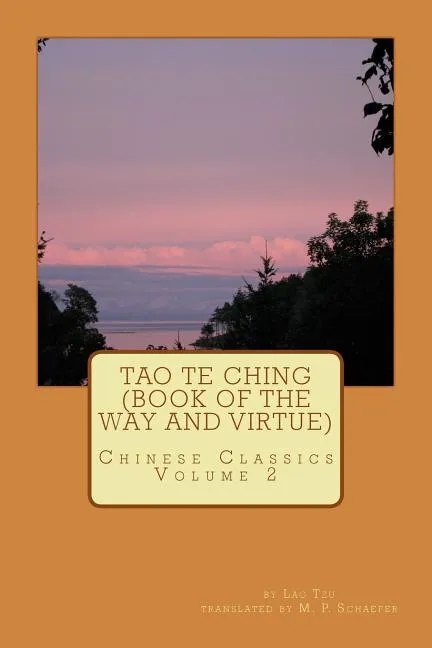
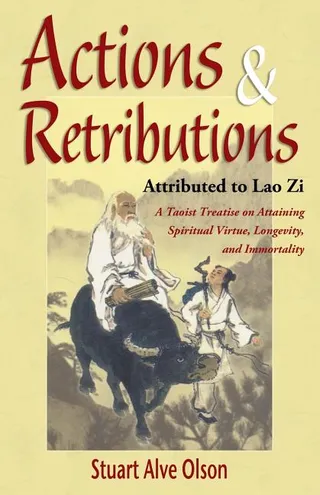
Lao Tzu (the old master) was a philosopher and poet of ancient China. He is best known as the reputed author of the Tao Te Ching and the founder of philosophical Taoism, but he is also revered as a deity in religious Taoism and traditional Chinese religions. Hidden within these eighty one chapter the worlds greatest knowledge is said to lie, explaining the laws of nature and the secrets of the universe. Used for public policy it could lead to lasting peace, used for individual health it was said to lead to longevity and even immortality, used for martial arts it's said to lead to great powers. Where will this translation of it lead you?
Lao Tzu
Lao Tzu stands as a mysterious and enduring figure whose ideas shaped one of the world's great philosophical traditions. Said to have lived in ancient China, he is traditionally regarded as the author of Tao Te Ching, though his historical existence remains uncertain. A philosophy centered on harmony with the natural "Way" guided his thought, emphasizing simplicity, humility, and effortless action.Gentle paradox and quiet wisdom flow through the core of his teachings. In works such as Tao Te Ching, he presents ideas of balance, non-action (wu wei), and living in accordance with nature rather than resisting it. Fluid insights reveal that strength often lies in softness, and that true understanding comes from letting go rather than striving.Enduring influence has made him a foundational figure in Chinese philosophy and spiritual thought. Taoism grew from his ideas, shaping culture, religion, and ways of life across centuries. Today, his work remains widely read, valued for its depth, mystery, and timeless guidance on how to live in harmony with the world.
More by Lao Tzu


Why Readwise Books?
Readwise Books is an ebook & audiobook platform that automatically logs how much you and your friends read, making it fun and easy to read more. Learn more →