Report an issue
Tell us what's wrong and we'll take a look.
Thanks – we got it. We'll review and follow up if needed.
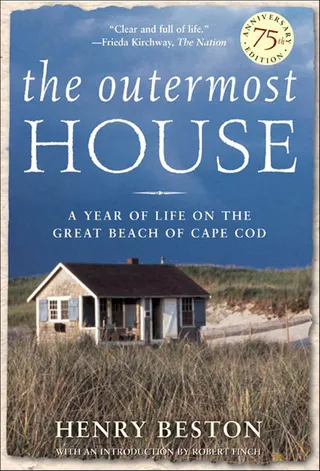
Amidst the relentless roar of the Atlantic waves, a solitary figure finds solace on the windswept dunes of Cape Cod, capturing the essence of nature's untamed beauty and its profound impact on the human spirit. This remarkable work of literary nonfiction transports readers to the 1920s, a time when the great beach was both a refuge and a revelation. As a memoir of solitude, it offers an intimate portrayal of one man's year-long immersion in coastal ecology, observing the seasonal changes that define life on Cape Cod. This book, once out of print for decades, has been lovingly republished by Alpha Editions, ensuring its restoration for today's and future generations. It stands as more than a mere reprint; it is a collector's item and a cultural treasure, inviting nature enthusiasts and environmental studies scholars alike to explore its timeless pages. The narrative's vivid observations echo the contemplative spirit of Walden by Thoreau, while its lyrical prose prefigures the environmental awareness found in Rachel Carson books. With its keen eye for detail and profound reflections, this work captures the intricate dance between land and sea, offering insights into the delicate balance of nature. As relevant now as it was then, it invites readers to pause and appreciate the natural world, making it an essential addition to any classic collection.
Henry Beston
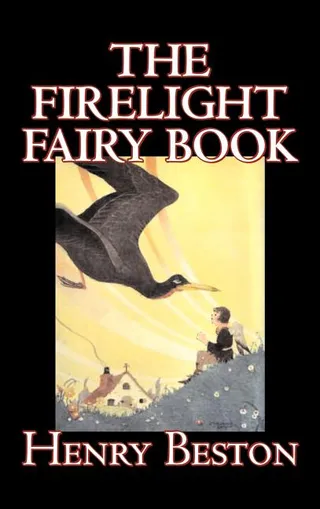
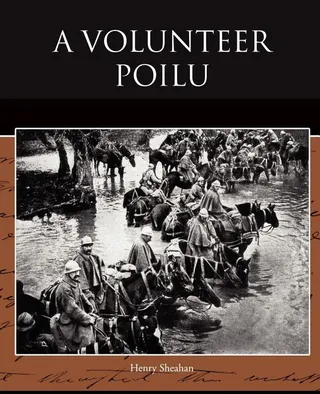
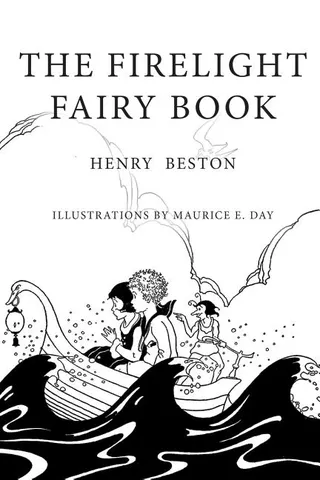
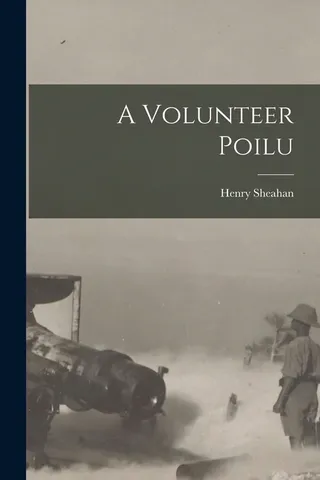
Henry Beston was born and raised in Quincy, Massachusetts. He attended Adams Academy before earning his BA in 1909 and MA in 1911 from Harvard College. In 1912, Beston taught at the University of Lyon. He joined the French army in 1915 and served as an ambulance driver during World War I. His service in Bois-le-Prêtre and at the Battle of Verdun was described in his first book, A Volunteer Poilu. In 1918, Beston became a press representative for the US Navy. He was the only American correspondent to travel with the British Grand Fleet aboard an American destroyer during combat engagement and sinking. His second book of journalistic work, Full Speed Ahead, describes these experiences. After WWI, Beston began writing fairy tales. In 1919, The Firelight Fairy Book was published, followed by The Starlight Wonder Book in 1923. During this time, he worked as an editor of Living Age, an offshoot of the Atlantic Monthly. He also met his wife, Elizabeth Coatsworth, a fellow author of children’s literature with whom he had two daughters, Margaret and Catherine. They lived at Hingham, Massachusetts, and Chimney Farm in Nobleboro, Maine.
More by Henry Beston


Why Readwise Books?
Readwise Books is an ebook & audiobook platform that automatically logs how much you and your friends read, making it fun and easy to read more. Learn more →